Appointment of Omar Selkho, Accused of Participating in the Killing of a Palestinian Child, as Head of Security of the Al-Nayrab Area in the Aleppo Countryside
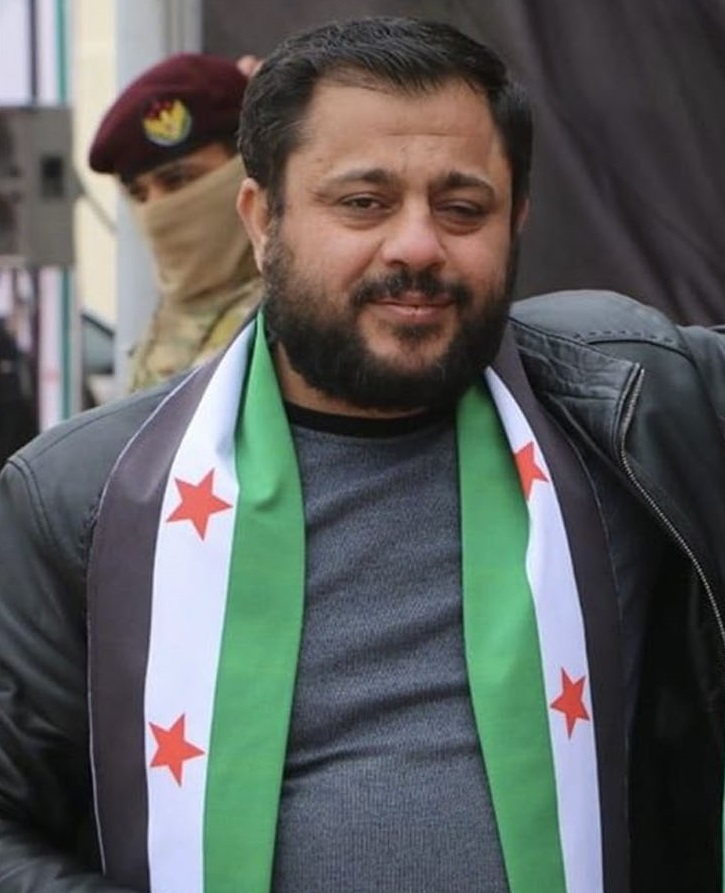
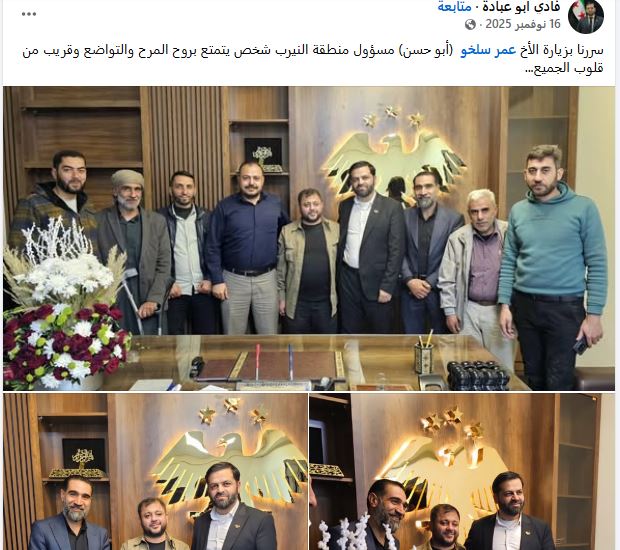
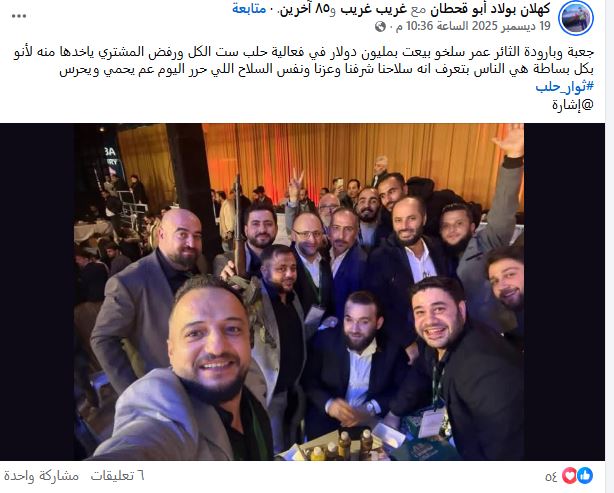
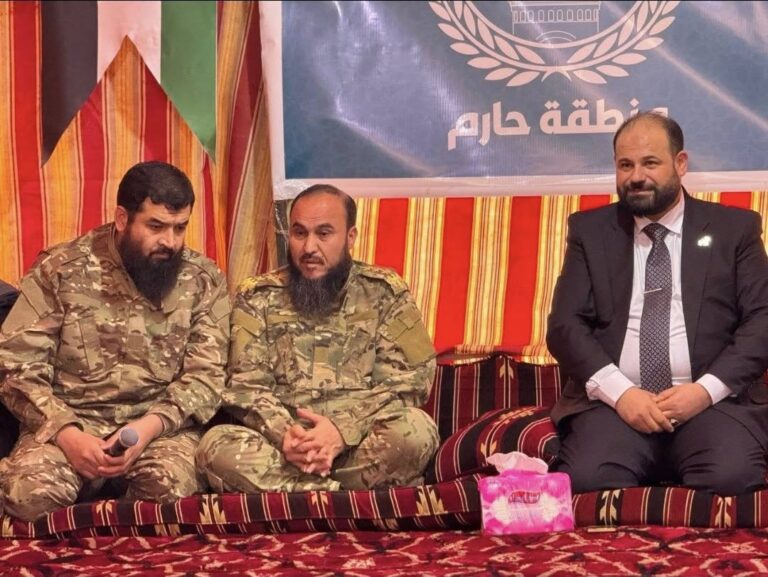
Circulating information has reported that Omar Selkho was promoted to the rank of colonel by the interim authority “Hay’at Tahrir al-Sham” and appointed as Director of Security of the al-Nayrab area in the Aleppo countryside. News of the appointment was published by media figures loyal to the interim authority in mid-November 2025. This appointment comes despite Selkho’s name having previously been linked to the incident of killing (slaughtering) a Palestinian child in Handarat Camp north of Aleppo in 2016.
Omar Selkho joined the “Fastaqim Kama Umirta Gathering” alliance in 2012, then separated from it in 2015 to join the Nour al-Din al-Zenki Movement (opposed to the Assad regime), where he became the commander of its Aleppo sector. His name was later linked to a killing incident that occurred during the armed conflict in northern Aleppo.
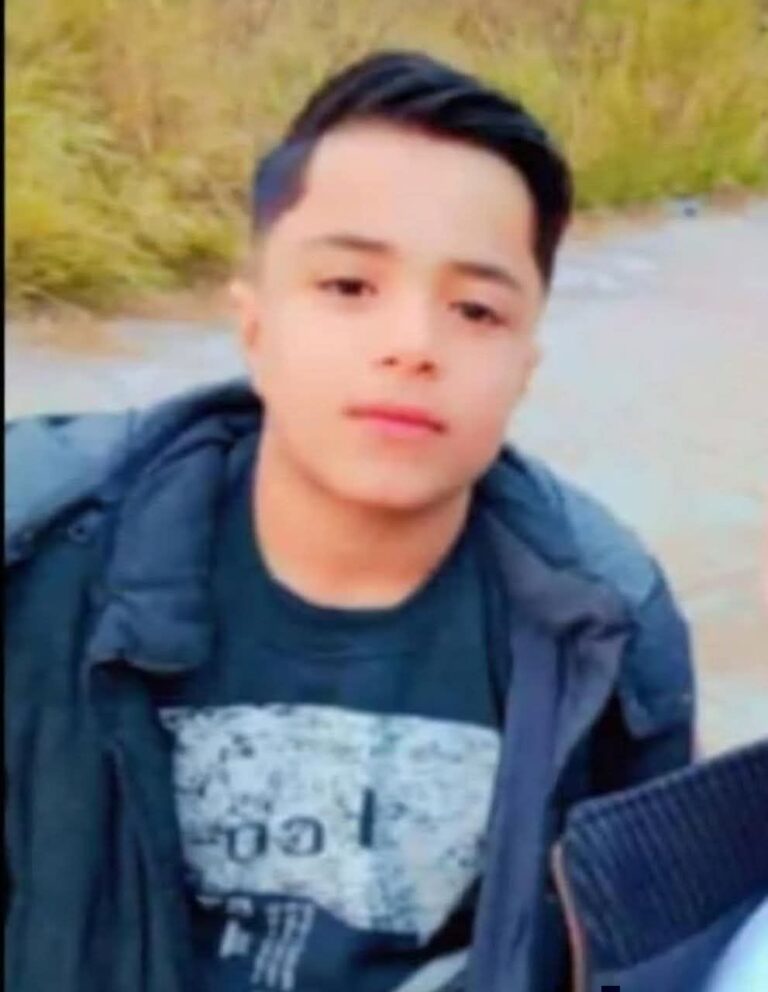
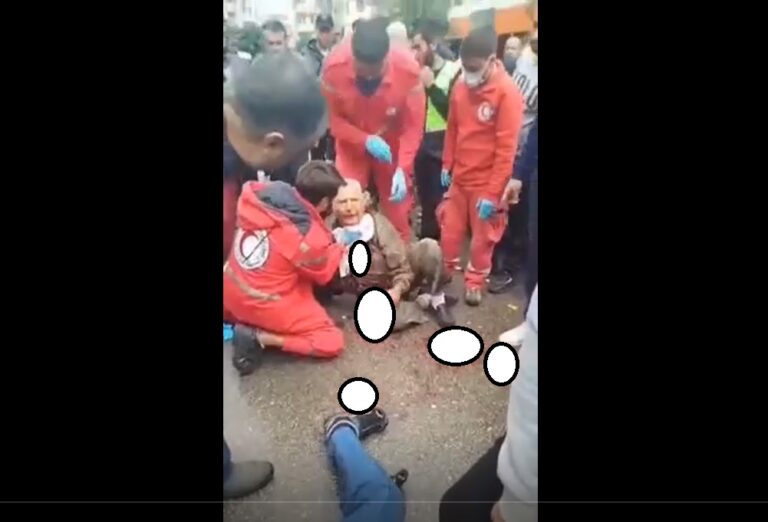
The child victim whose killing Selkho’s name had previously been associated with is Abdullah Issa, a Syrian Palestinian, approximately 12 years old. Abdullah was a captive of the Nour al-Din al-Zenki Movement during the clashes that took place in Handarat Camp north of Aleppo.
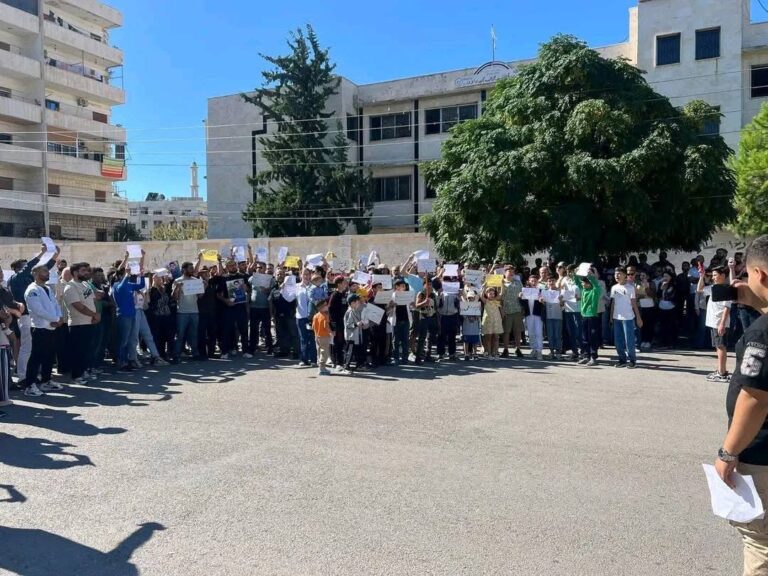
In July 2016, a video recording appeared documenting elements of the Nour al-Din al-Zenki Movement killing the child Abdullah Issa during the clashes in Handarat Camp. Omar Selkho’s participation in this incident, which was filmed and broadcast over the internet, sparked a wide wave of condemnation at the time.
Following the spread of the recording, the Nour al-Din al-Zenki Movement issued a statement condemning the incident and pledging to investigate, describing what occurred as an “individual act” that did not represent it. Later reports also indicated that Omar Selkho had been detained in Turkey in 2022, before his name returned to the forefront with the announcement of his appointment to his new security position.
The appointment of Omar Selkho to an official security post comes within an ongoing context of reintegrating figures linked to serious allegations of human rights violations into security and military structures in areas of northern Syria, raising human rights questions about mechanisms of accountability and justice, and ensuring that those involved in grave violations do not escape accountability.