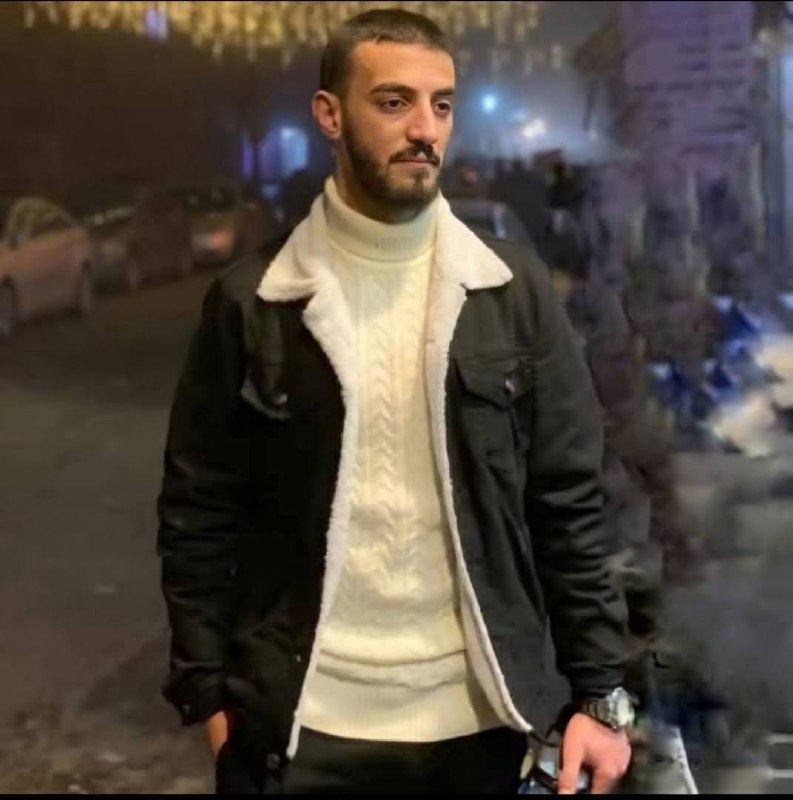
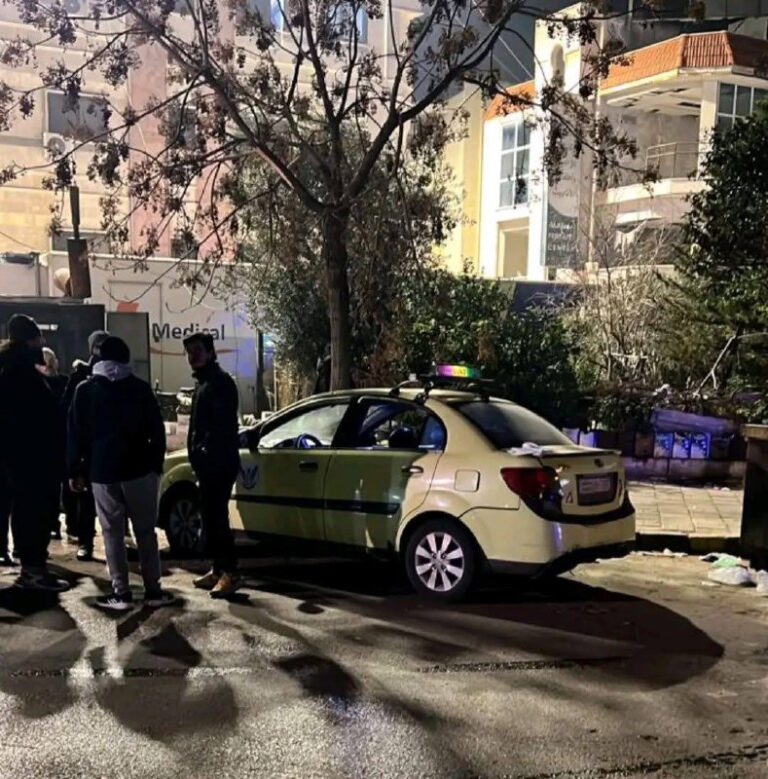
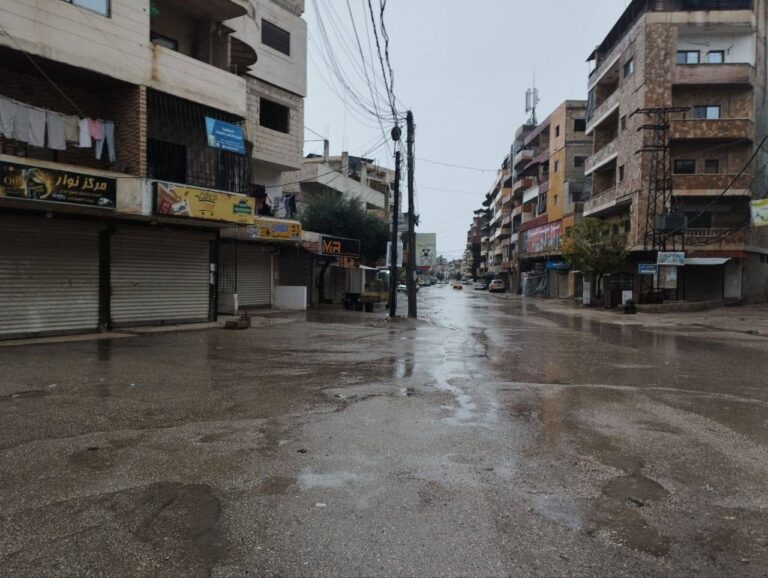
Local sources in the western Homs countryside reported the killing of the young man Jamal al-Din Abi Ibrahim, a civilian from the village of Fahl who belongs to the Alawite sect, following his arrest by the General Security apparatus affiliated with the interim authority, on the grounds of his participation in a peaceful demonstration witnessed by the town.
According to the available information, the young man was arrested while participating in the demonstration, after which his whereabouts were unknown for several days. On 6 January 2026, his family received news that his body had been found inside one of the hospitals in the city of Homs. The data indicate that his killing occurred during his detention, as his body was found approximately ten days after his arrest.
The killing of Jamal al-Din Abi Ibrahim comes in the context of an escalation of violations against civilians in Homs Governorate during the same period. On the evening of 5 January 2026, three civilians from the Alawite sect were killed in the village of Abu Hakfa east of the city of Homs: Farhan Ma‘rouf, his son Muntajab Ma‘rouf, and Muhammad Sha‘ban (a school teacher), as a result of direct gunfire carried out by masked gunmen at a grocery shop where they were present.
Other cases have also been documented, including the killing of engineer Osama ‘Abd al-Mu‘in Khudor, an Alawite civilian who was arrested from his home in the al-Sabeel neighborhood in the city of Homs on the evening of 30 December 2025, before his family received news on 1 January 2026 that his body was in the morgue refrigerator at al-Wa‘ar Hospital. In addition, Wael Faraj al-Fu‘ani, a civilian belonging to the Shiite sect, was killed in front of his shop in the al-Walid suburb of the city of Homs on 1 January 2026.
The incident of the killing of the young man Jamal al-Din Abi Ibrahim, alongside the other documented killings in Homs Governorate during the same period, reflects a worrying pattern of grave violations of the right to life and personal security, amid a state of security breakdown, the absence of effective accountability mechanisms, and the lack of real guarantees for the protection of civilians, particularly in areas under the control of the interim authority.