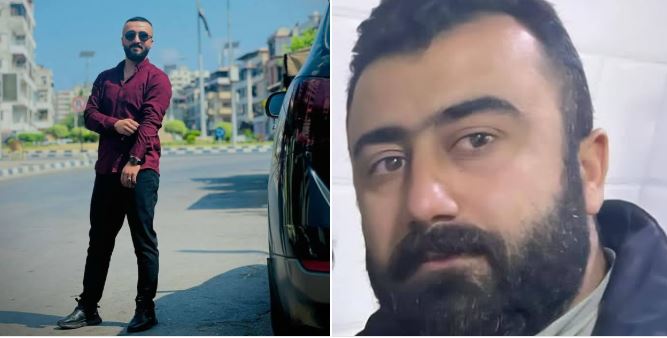
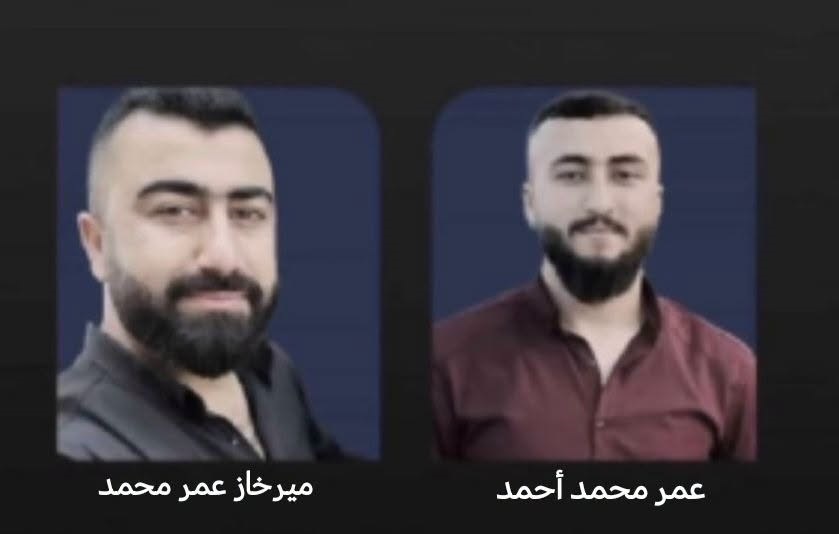
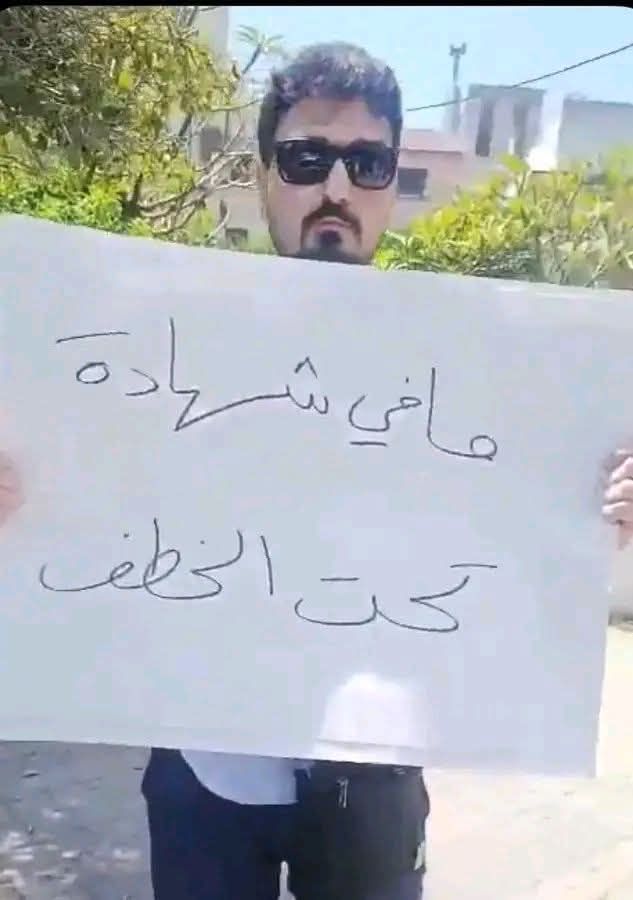
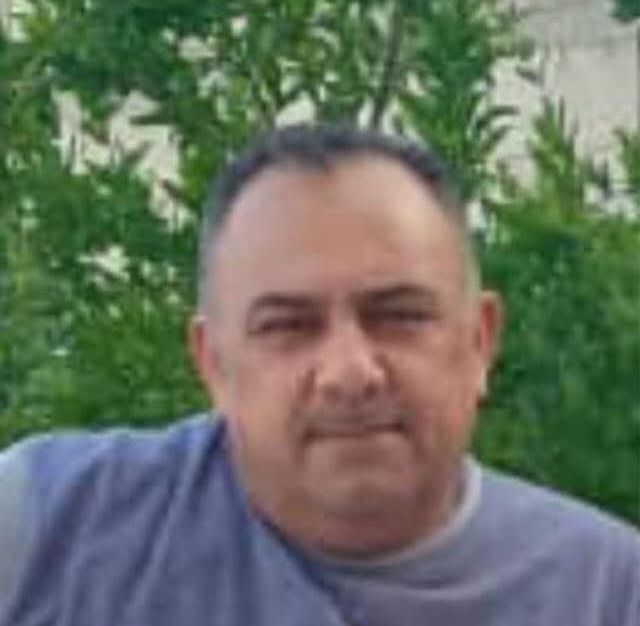
The fate of both Mirkhaz Muhammad Omar and his nephew, Omar Muhammad Ahmed, remains unknown following their arrest by General Security personnel at the Al-Qarmid (Al-Hamrat) checkpoint on the eastern entrance of Raqqa city, northern Syria. This incident occurs within a context of escalating concerns regarding human rights conditions, particularly concerning the targeting of individuals from the Kurdish component in the region.
According to local testimonies, Mirkhaz Muhammad Omar and Omar Muhammad Ahmed were apprehended on Wednesday, April 15, 2026, while attempting to leave Raqqa city accompanied by their families. They were traveling in a black “Veracruz” private vehicle. Since the moment of their apprehension, all contact with them has been lost, and no official entity has issued any clarification regarding the reasons for their arrest or their place of detention as of the date of this report.
It is noted that the detainees work in the car trading business, and there is no information indicating their involvement in any illegal activities.
Their families are experiencing a state of anxiety and anticipation, amidst ongoing appeals to the relevant authorities to disclose their fate and ensure their safety, with growing fears of them being subjected to enforced disappearance or ill-treatment while in detention.
This incident comes in light of concerning developments witnessing in Raqqa city since the Temporary Authority took control in January 2026. The Governor of Raqqa, Abdul Rahman Salama, issued directives requiring the evacuation and demolition of dozens of homes and properties belonging to Kurdish families in the Al-Andalus neighborhood, extending to the Al-Hazima roundabout, under the pretext of urban reorganization. These families were granted a limited timeframe for evacuation before the commencement of demolition operations.
These measures have sparked widespread concern among the residents, given the fears regarding their impact on private property rights and the possibility of causing shifts in the demographic composition of the city.
Local sources also reported the issuance of other eviction notices affecting commercial shops owned by Kurdish citizens in various parts of Raqqa city and its countryside, particularly in the town of Ayn Issa, which prompted many families to leave the region towards Al-Hasakah governorate.
In a related context, information indicates that some homes left unoccupied are being subjected to looting, which increases the suffering of the residents and deepens the state of insecurity.
These events reflect a concerning escalation in potential human rights violations in Raqqa city, including arbitrary arrest, enforced disappearance, forced displacement, and violations of property rights. There remains an urgent need to conduct transparent and independent investigations, and to ensure the protection of civilians and respect for their rights without discrimination.