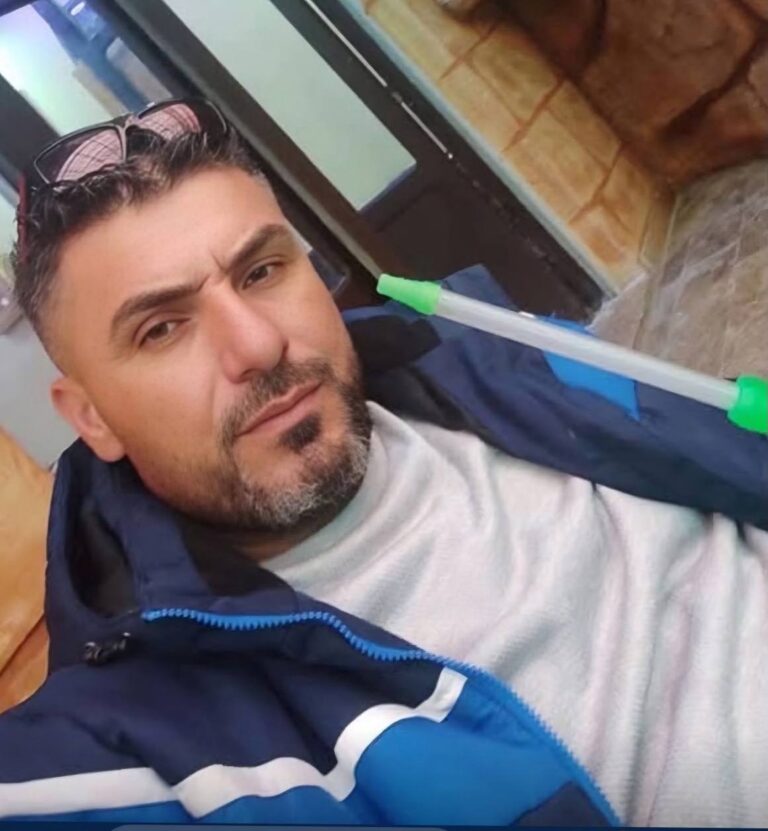
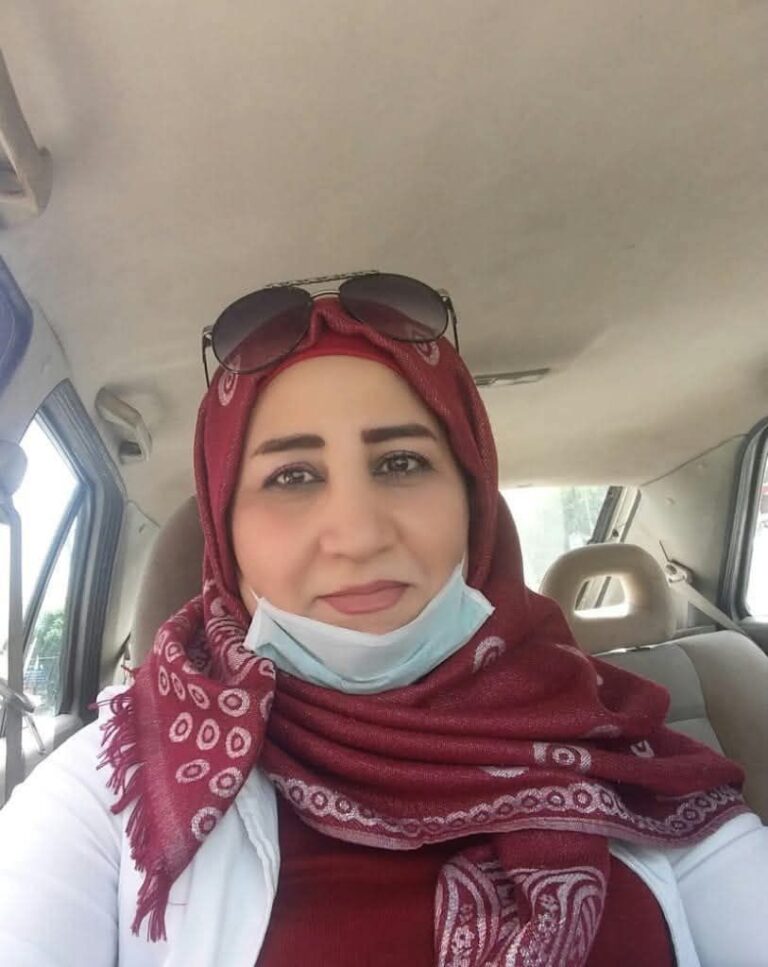
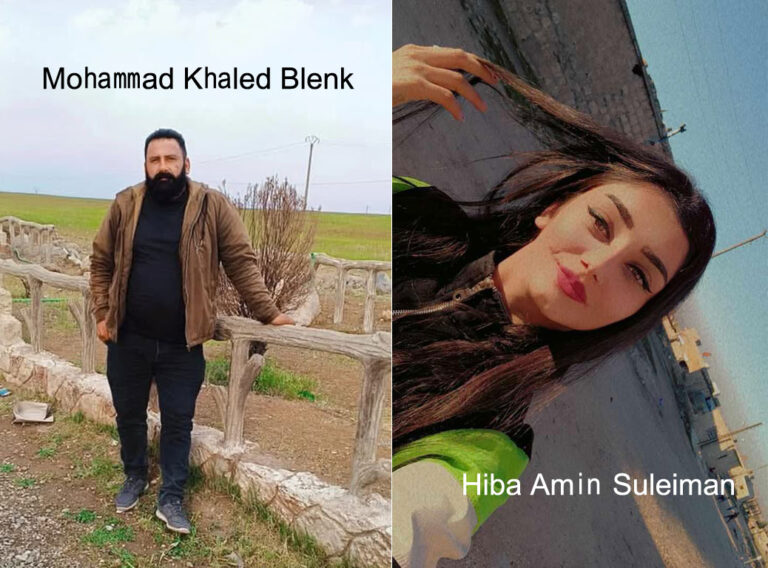
Kurdish citizen Zaki Manan Faeq, 39 years old, from the village of Miska Foqani – Jindires Subdistrict, Afrin countryside, northern Syria, died on Sunday, December 14, 2025, after a long struggle with illness caused by serious health complications resulting from beatings and torture by armed factions supported by Turkey.
According to available information, Zaki passed away in a hospital in Damascus due to the deterioration of his health following kidney failure and liver damage—injuries that date back to 2018 during Turkey’s occupation of the Afrin region. Sources reported that the torture targeted him after he refused to hand over the properties of his displaced relatives from his village to members of the Ahrar al-Sharqiya faction, led by a man called Abu Fawaz al-Deiri, originally from the Deir ez-Zor countryside.
Zaki was systematically beaten and tortured during the faction’s control over his village following the occupation of Afrin in March 2018, leading to long-term health injuries that contributed to his death after seven years of suffering.
Zaki’s death comes within a broader context of violations against Kurdish civilians in the region since Turkey occupied Afrin on March 18, 2018, which included the displacement of over 400,000 people, killings, abductions, torture, and imposing financial levies on residents, amid a complete absence of justice and accountability.
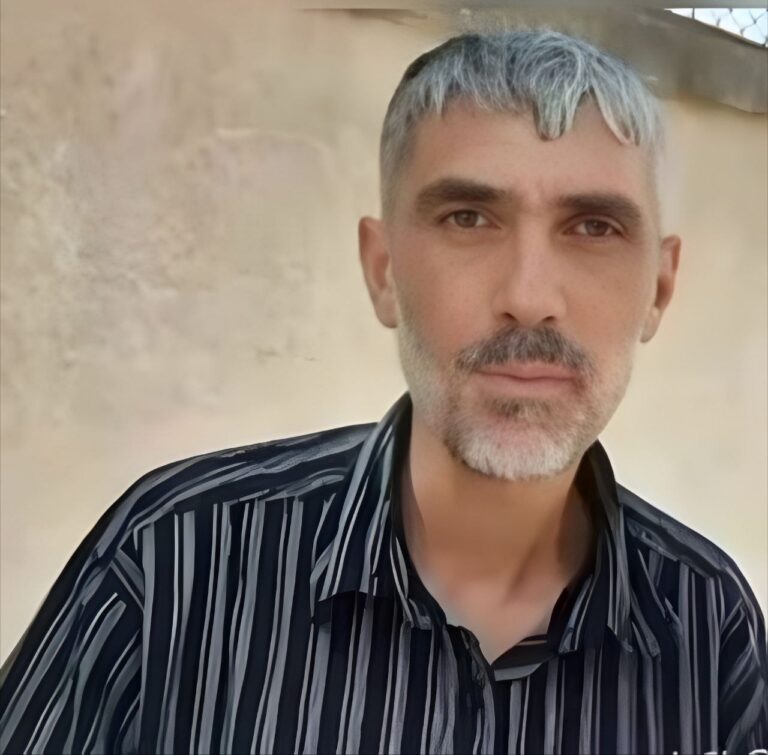
In a related context, Kurdish citizen Muhammad Ali Sijam, from Sheikh Al-Hadid Subdistrict – Afrin countryside, died on December 6, 2025, due to the brutal torture he suffered at the hands of members of the Syrian National Army affiliated with the Turkish occupation.
Muhammad Ali, about 40 years old and father of three children, was kidnapped on December 1, 2024, and held for 42 days in the Ma’arat prison run by the “Al-Hamzat” faction under the supervision of Turkish intelligence. During his detention, he was subjected to systematic torture, including burning, flogging, amputation of toes, and whipping, which resulted in broken teeth, lacerations, extensive bruising, and deprivation of his necessary medications.
Despite receiving medical treatment after his release, his health continued to deteriorate. He suffered severe emaciation, immobility, and acute psychological disorders that left him unable to recognize his surroundings or speak clearly.