Damascus – Sunday morning, March 22, 2026
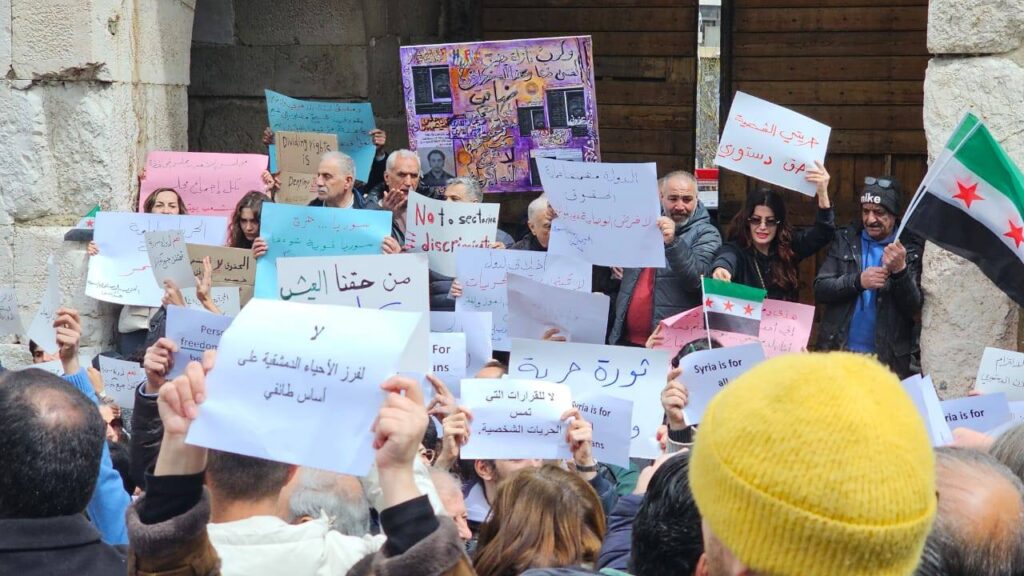
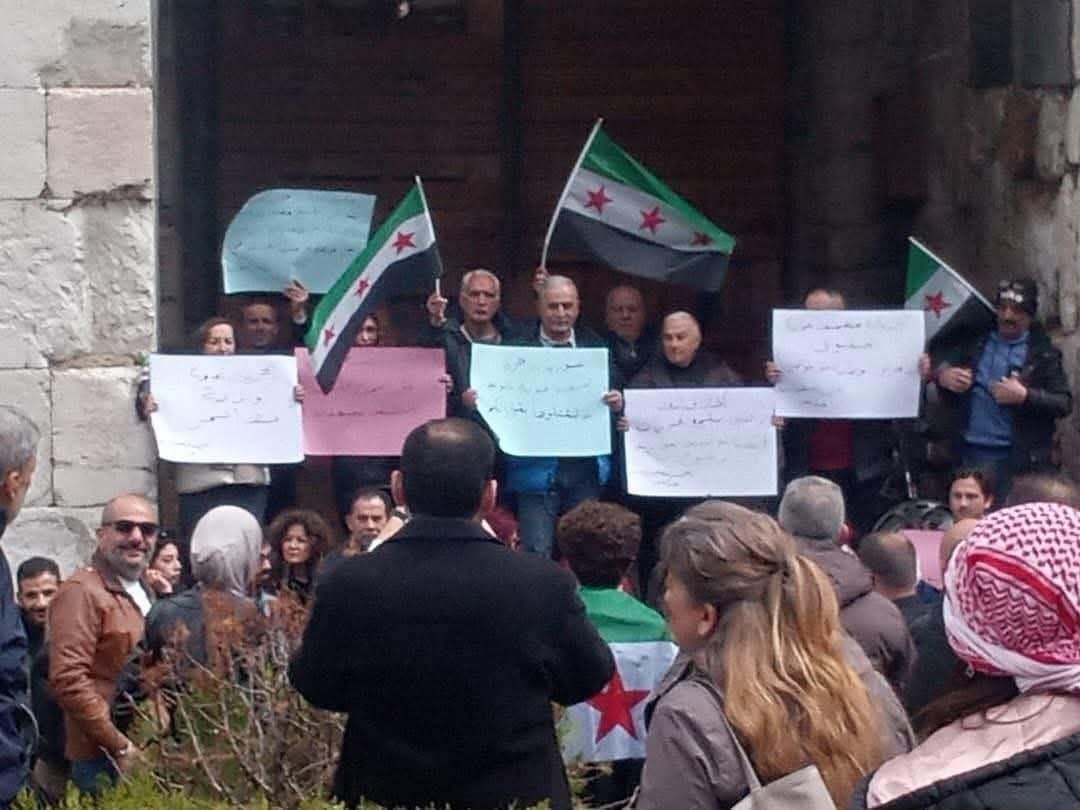
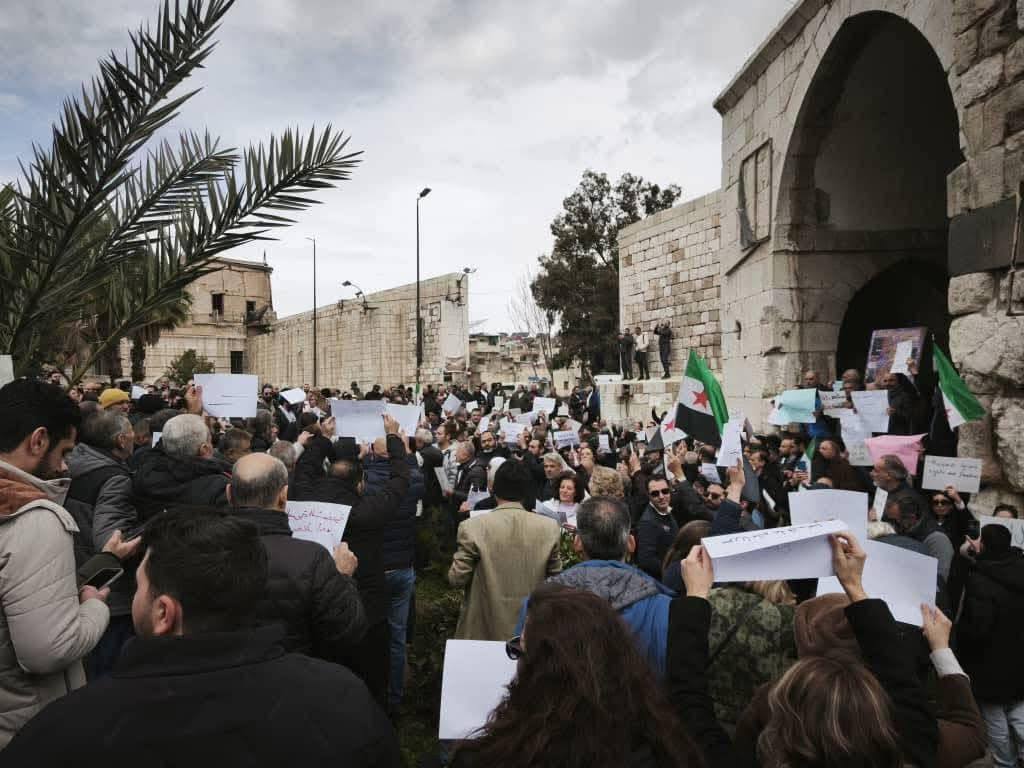
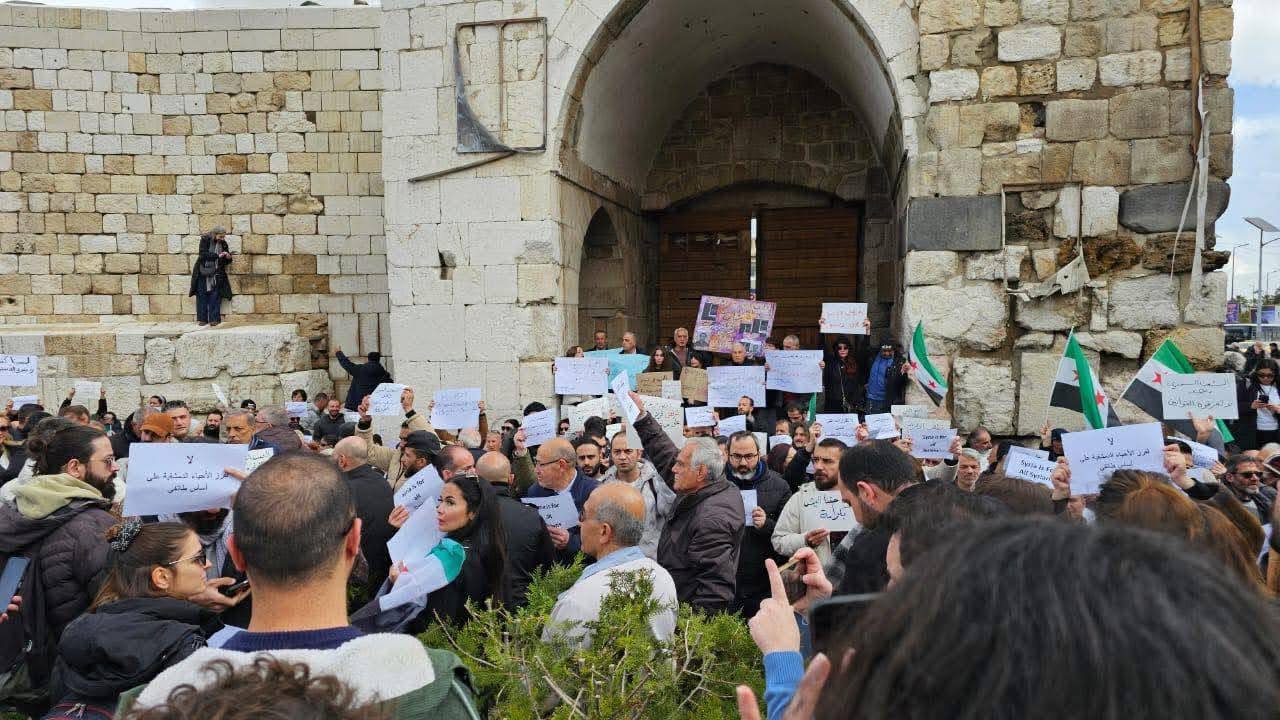
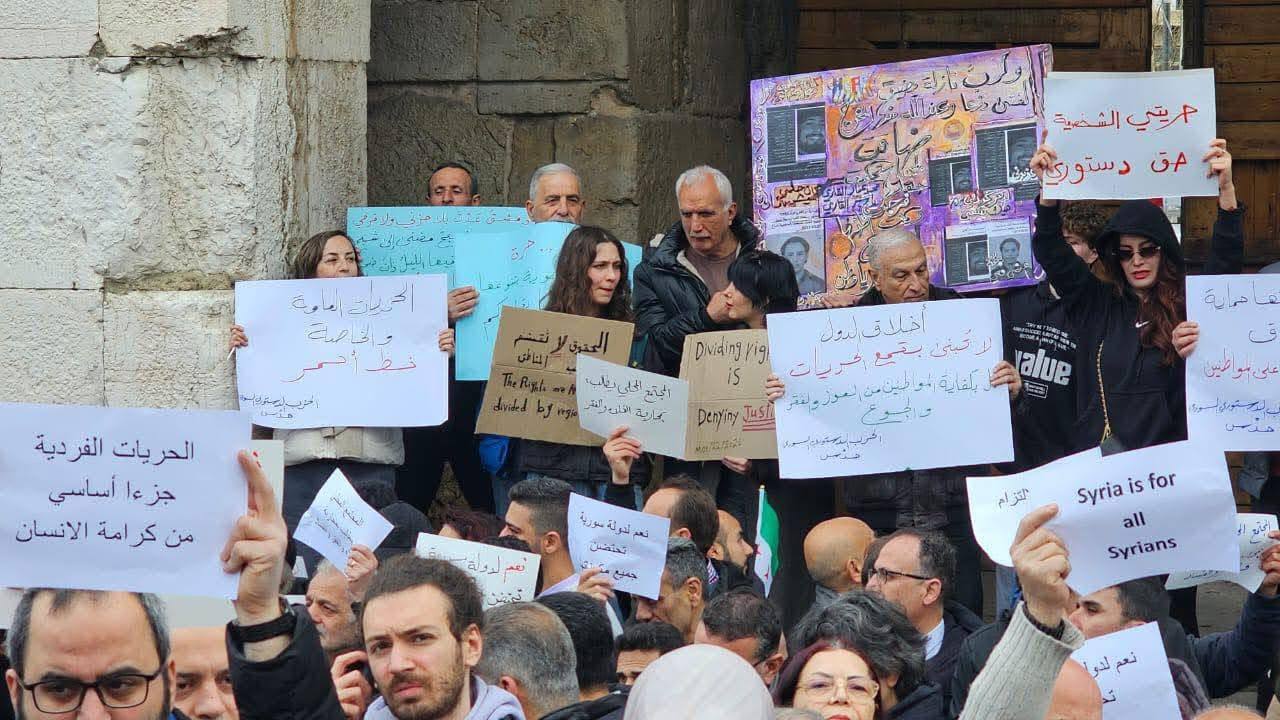
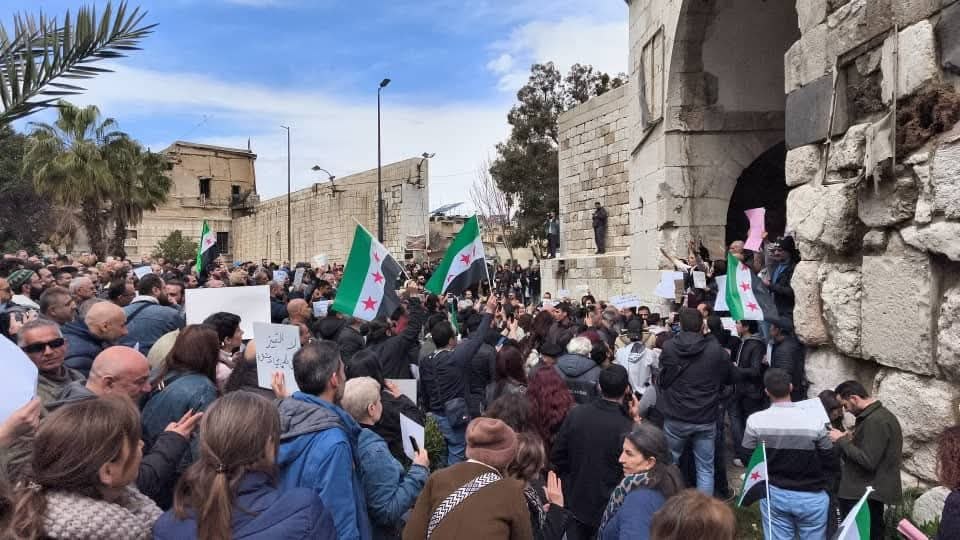
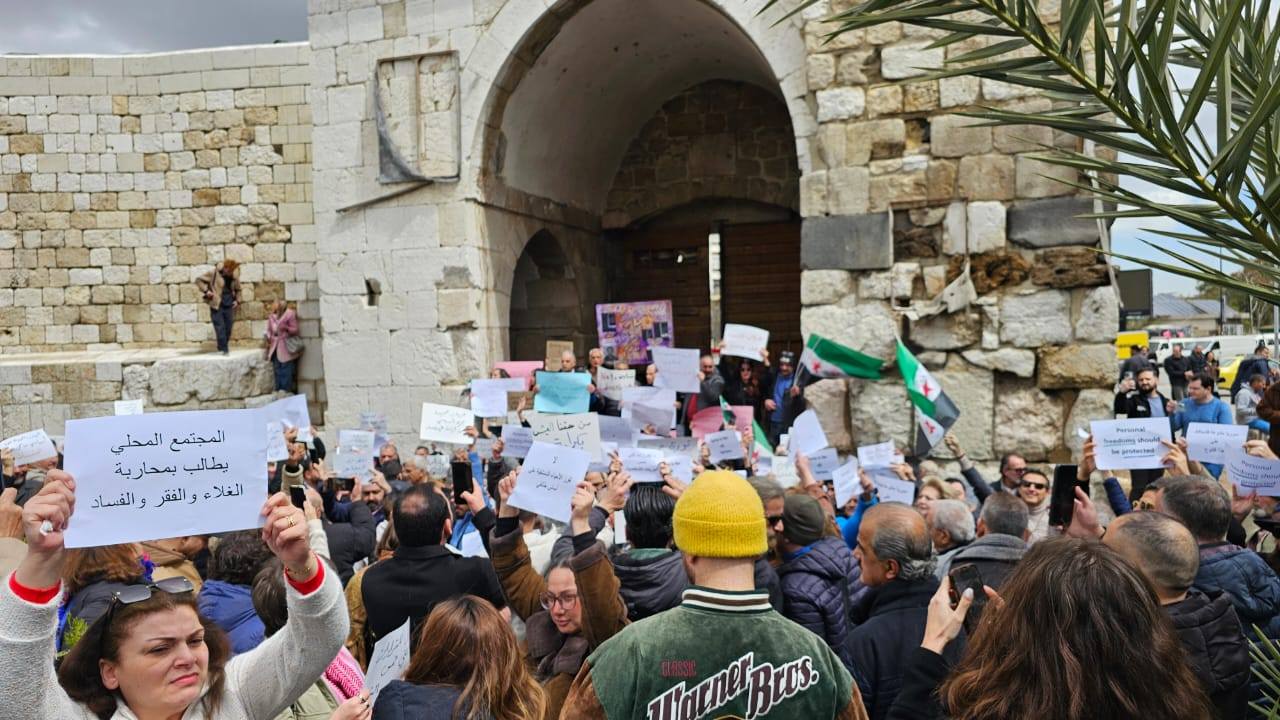
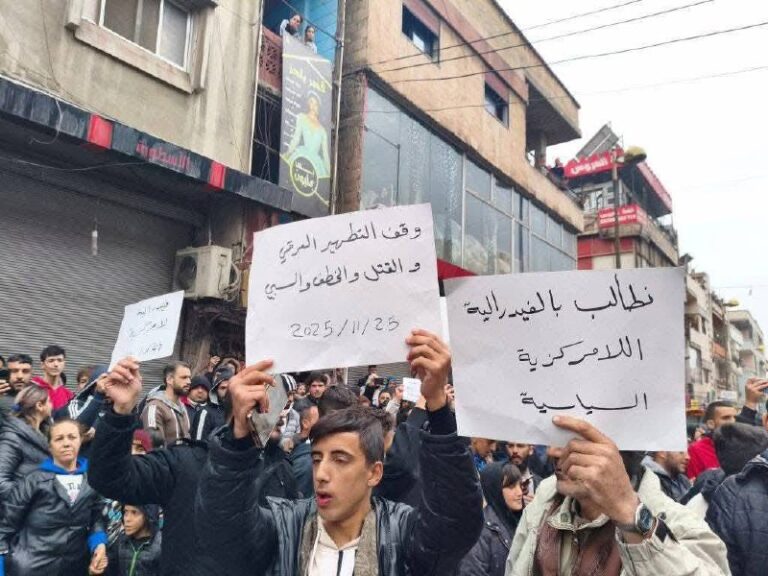
Damascus witnessed a peaceful sit-in in Bab Touma Square under the slogan “We are not refugees – Syria is for all Syrians.” This civil movement focused primarily on defending personal freedoms and rejecting measures that participants considered restrictive to lifestyles and threatening to the social diversity of the city.
A number of residents of the Syrian capital gathered in the Bab Touma neighborhood—one of the oldest districts in Damascus, known for its diverse religious and historical character—responding to calls launched by activists, including members of the Christian faith. They protested what they described as violations affecting both public and private freedoms.
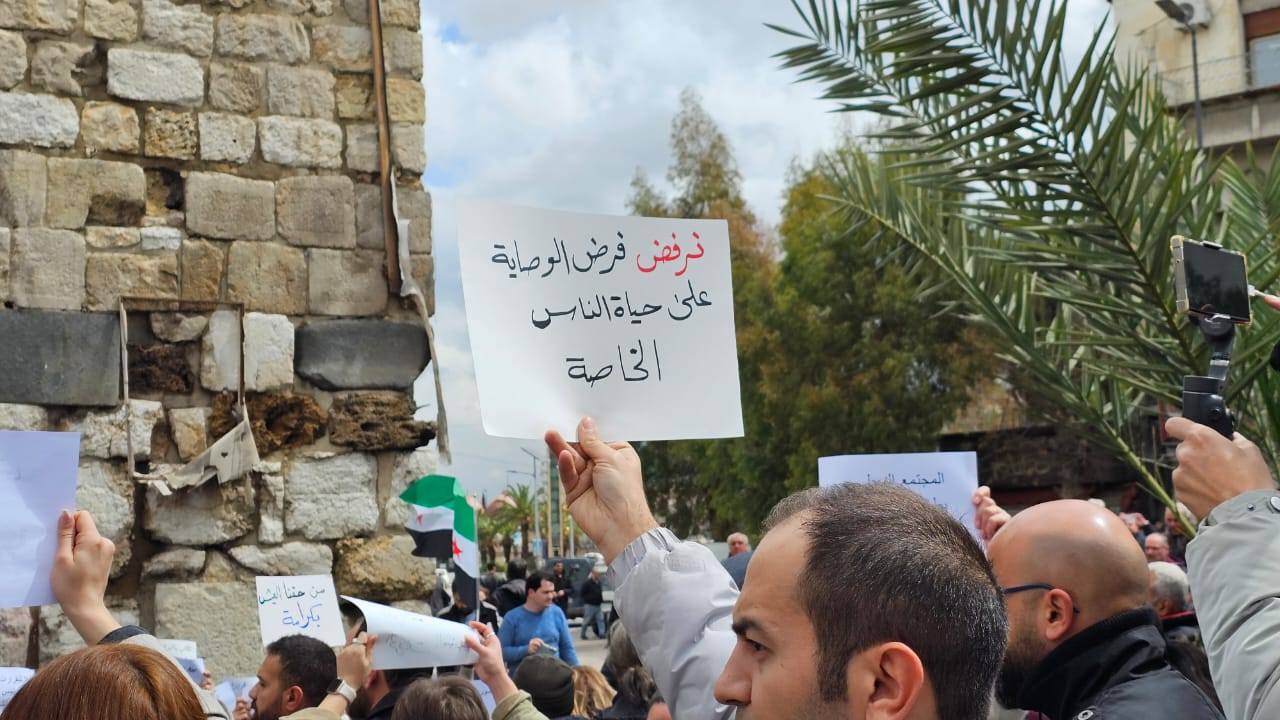
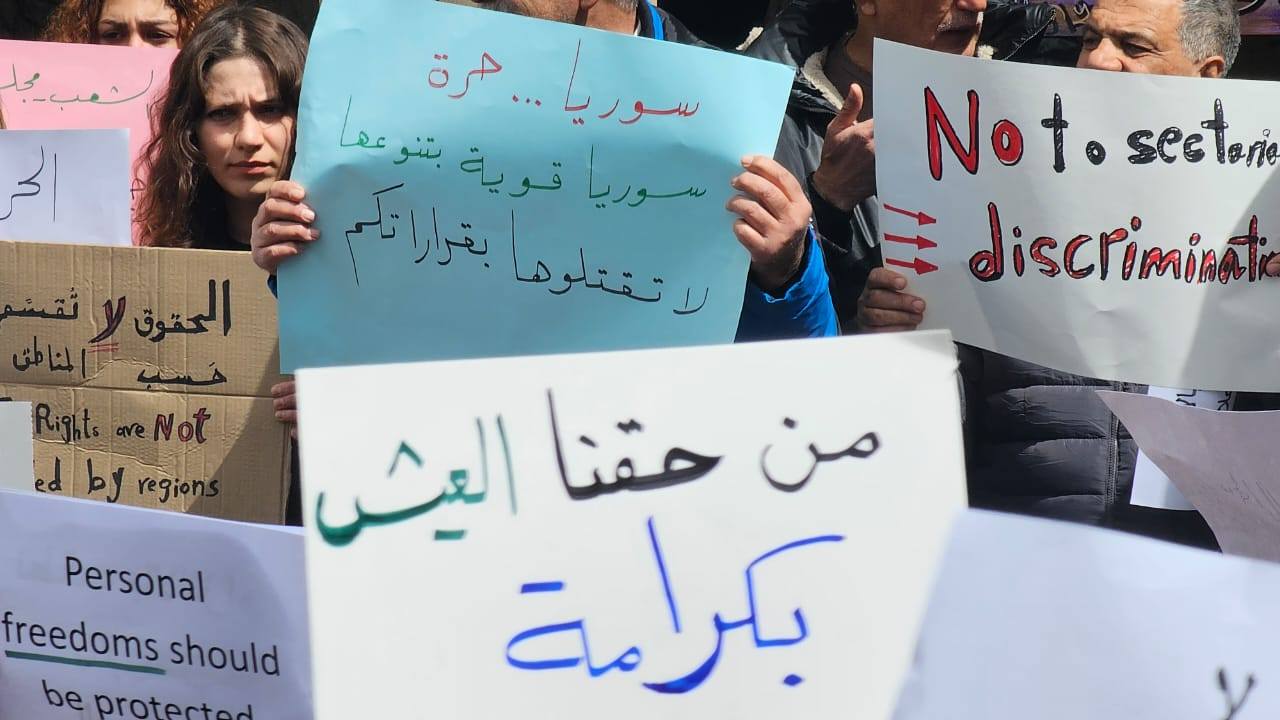
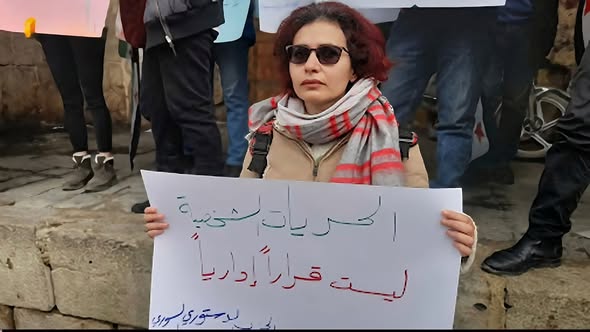
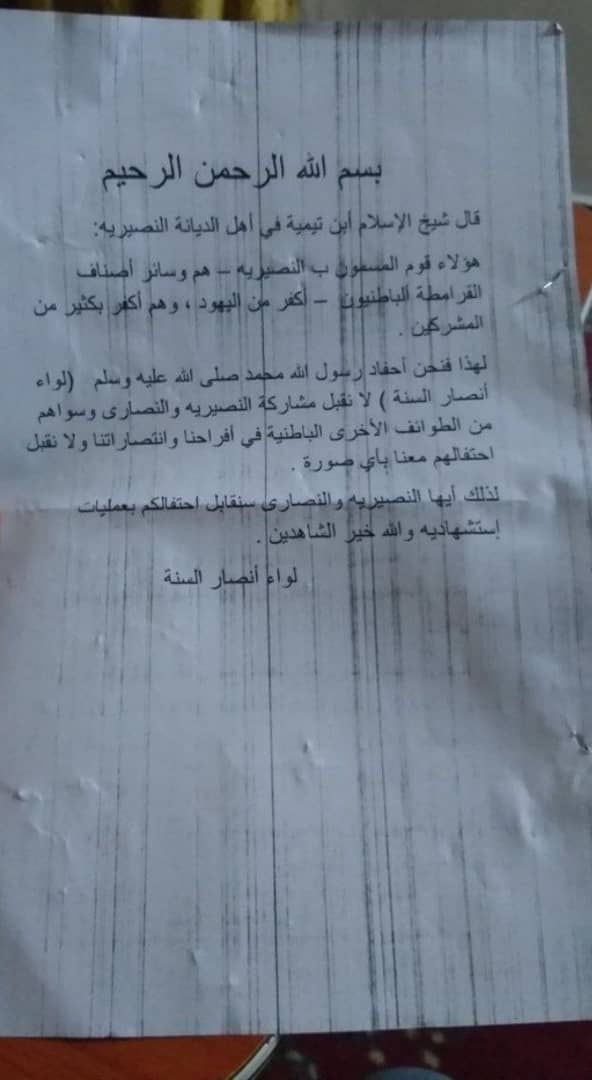
Participants raised slogans and banners affirming that “Personal freedom is a constitutional right,” demanding an end to interference in individual privacy and rejecting what they deemed discriminatory practices or crackdowns on various social and religious groups. The calls for the sit-in also included demands to stop violations against Christians, a rejection of acts of violence and kidnapping, and opposition to the use of political charges to restrict freedom of expression.
This sit-in follows a decision issued by the Damascus Provincial Council on March 15, 2026, which prohibits the serving of alcoholic beverages in restaurants and nightclubs within the city, restricting their sale to specific areas including Bab Touma, Al-Qassaa, and Bab Sharqi, while imposing strict spatial restrictions on sales locations.
The decision also included additional requirements, such as:
Setting minimum distances between points of sale and places of worship or public institutions.
Requiring shop owners to sign legal pledges preventing consumption on-site, under penalty of license revocation.
The decision sparked widespread controversy and fears among activists and human rights observers regarding potential violations of fundamental rights, including the freedom to choose one’s lifestyle, non-discrimination, and the freedom of economic activity. Questions were also raised about the transparency of the decision’s justifications, especially given the lack of clarification regarding the nature of the complaints it was based on or the parties that submitted them.
Observers believe that the imposed geographical restrictions—in a city with a high density of places of worship and institutions—could practically lead to a reduction in the number of licensed shops, constituting an indirect crackdown on a legal activity.
The sit-in reflected a notable presence of participants from diverse religious and social backgrounds, where testimonies affirming coexistence among the components of Syrian society were shared. Among these was a statement by a woman who identified herself as a Sunni Muslim; she emphasized her pride in Syria’s religious diversity, recounted a personal experience of receiving support from a Christian individual, and stressed the rejection of any sectarian discourse.
The sit-in in Bab Touma reflects rising societal anxiety over policies perceived as infringing upon individual freedoms in Damascus. While authorities justify these measures based on considerations of “public morals,” activists argue that their impact may extend to shrinking civil spaces and social pluralism, necessitating close human rights monitoring to assess their compatibility with fundamental human rights standards.