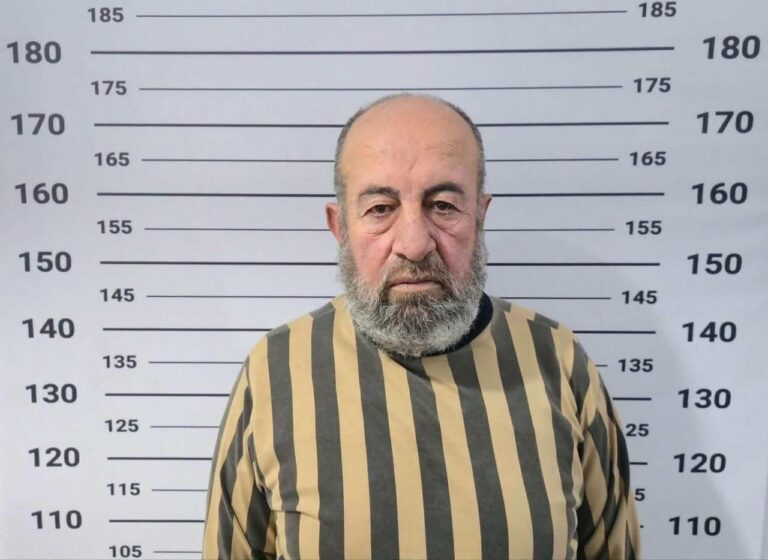
Amid conflicting accounts about his identity and his role over the past years, the name of Abdul Ghani Qassab has resurfaced after the internal security forces affiliated with the Interim Authority in Syria, “Hay’at Tahrir al-Sham,” announced his arrest in rural Tartous, in an operation the authorities said targeted “an armed group linked to remnants of the defunct regime and external parties.”
Arrest in Sheikh Badr
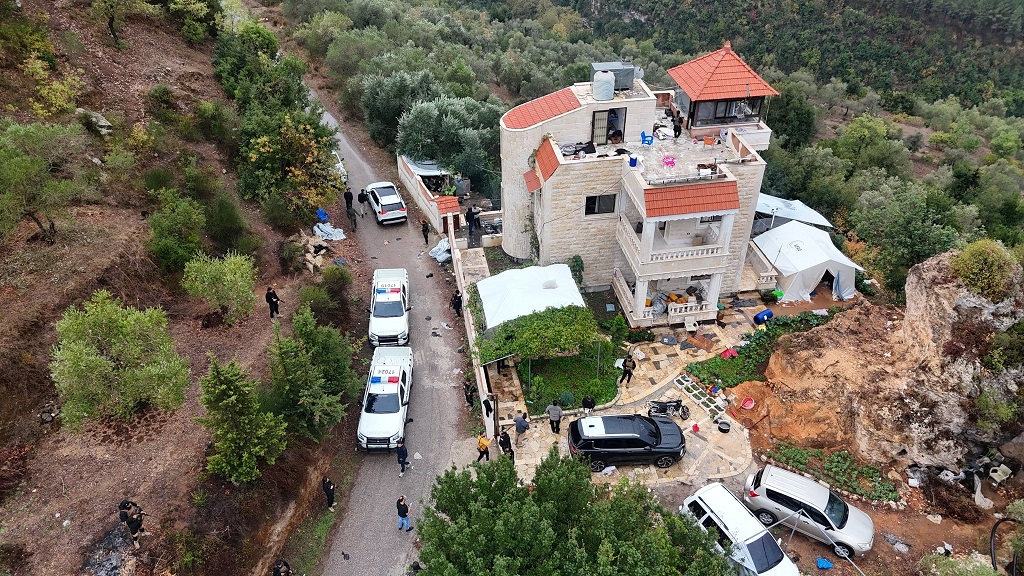
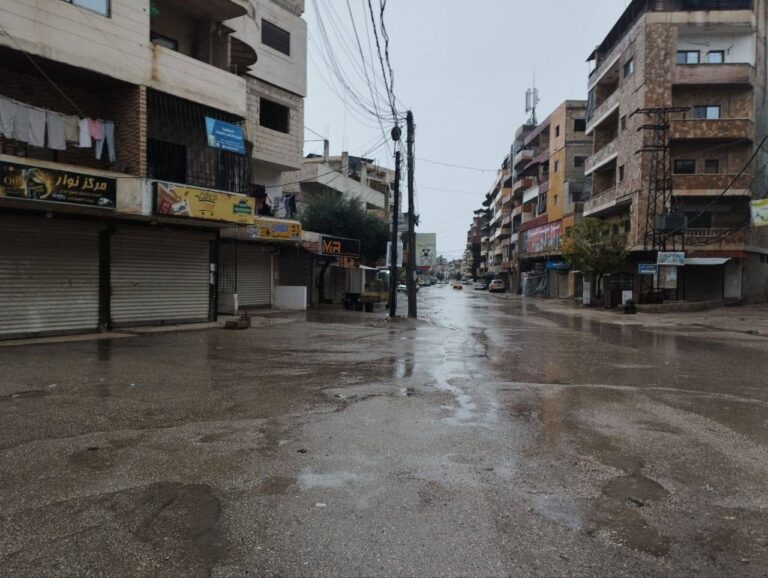
The Syrian Ministry of Interior announced that the specialized units carried out a “special operation” on the night of November 12, 2025, in the Sheikh Badr area of rural Tartous, following “investigations and precise field monitoring.” The ministry said the operation resulted in the seizure of large quantities of various weapons and ammunition, and the discovery of a “cave” containing a stockpile of weapons, in addition to documents and digital materials.
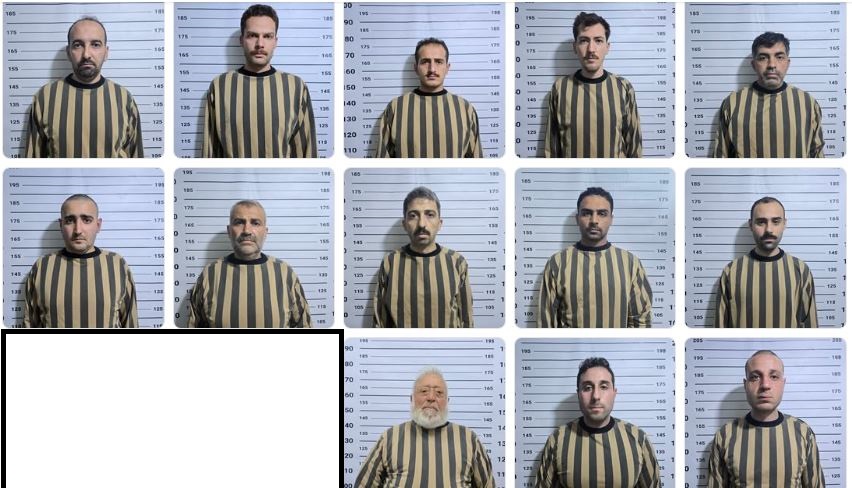
Syrian Ikhbariyah reported that the operation led to the arrest of 13 people, while the Ministry of Interior confirmed that the group “had been active in more than one area in the province’s countryside.”
Colonel Abdul Al Muhammad Abdul Al, the head of internal security in Tartous, said that “initial investigations showed the group’s members were involved in carrying out hostile acts and the assassination of more than twenty civilians, as well as participating in fighting within sectarian militias linked to external parties,” adding that they “participated in systematic recruitment operations targeting youth and children.”
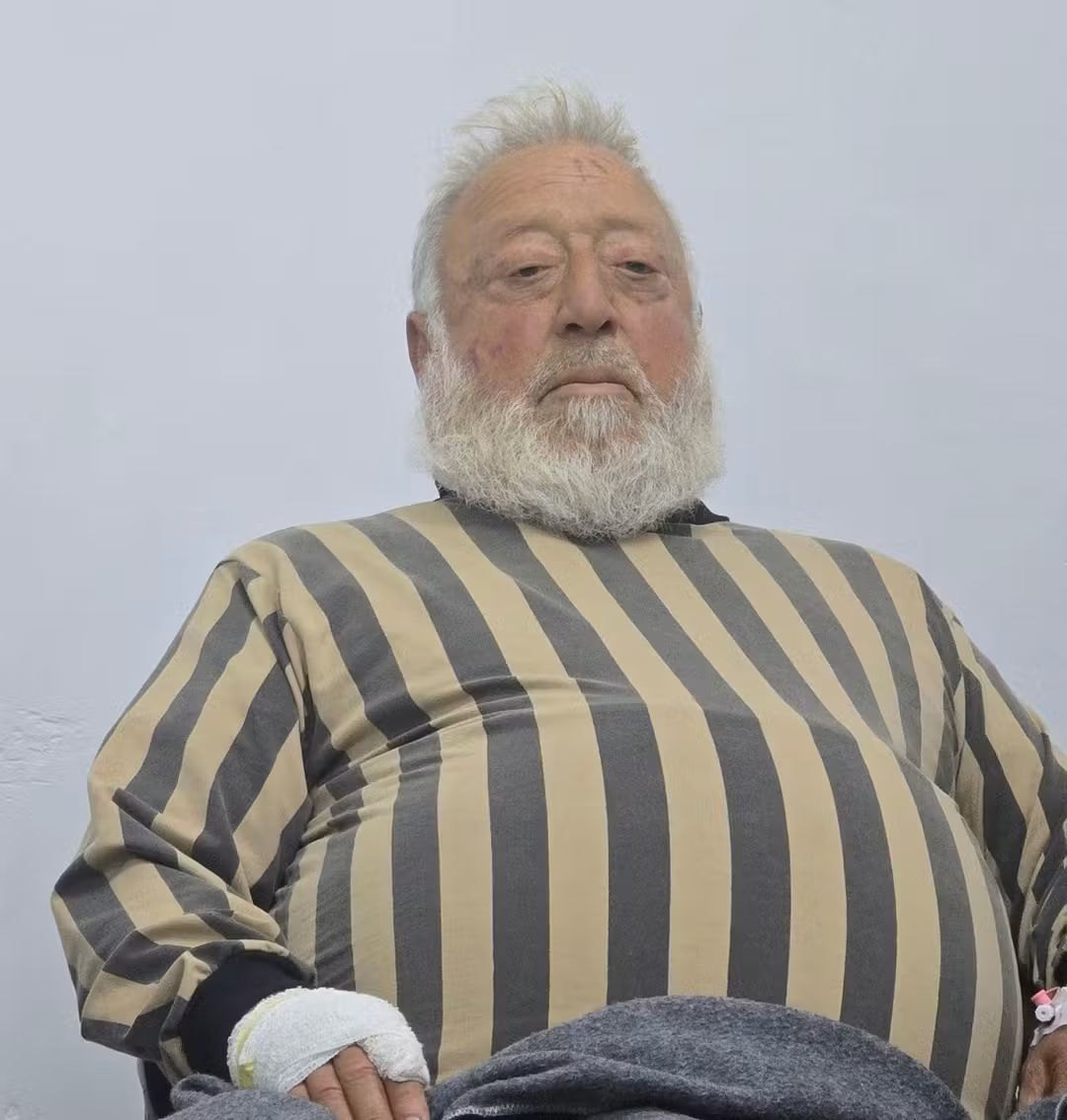
In the same context, the internal security forces announced the arrest of Abdul Ghani Qassab and two of his sons in the Sheikh Badr area. It was not known whether Qassab was residing with the group or was hiding separately from them, while residents of the village of Banmara, where the raid took place, said they “had not seen him before.”
A narrative accusing him of working for Iran and the former regime
According to accounts circulating among residents of Maarrat Misrin in rural Idlib, Qassab is known as “one of the most prominent agents of the former regime and facilitators of Iran’s project,” and it is said that he “worked with the intelligence services and the Iranians about ten years before the revolution.”
This narrative speaks of an incident in late 2011, when “shots were fired at demonstrators from inside Qassab’s villa,” before the army intervened with “tanks to rescue him and transfer him to Aleppo,” where he later appeared on an official television program presented as “a moderate Sunni cleric targeted by terrorist groups.”
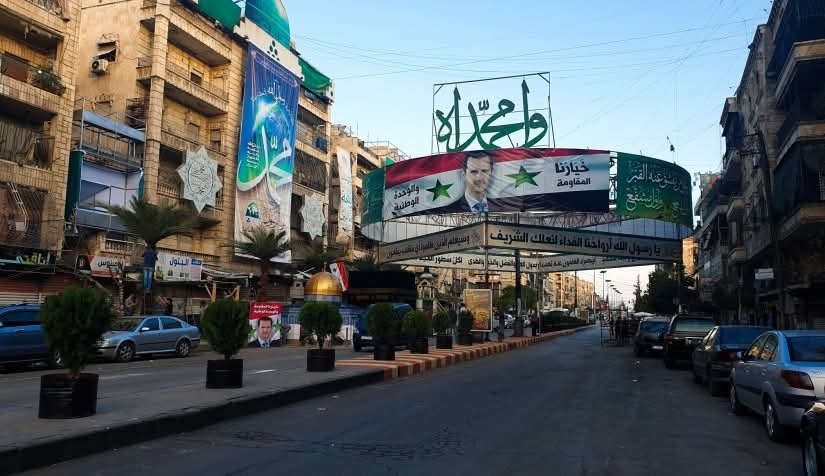
Other accusations indicate that he established religious activities in Aleppo’s Azamiyah neighborhood under general religious slogans, before “gradually revealing ideological affiliations in favor of Shiism,” according to the same narrative.
A counter-narrative: an independent cleric
In contrast, a reliable source from the Shiite community conveys a different account, confirming to the Syrian Observatory that Qassab is “a Sunni cleric who has not converted to Shiism,” and that his relations with the Iranians in Aleppo “were limited to religious and cultural aspects without funding or support.”
The source added that Qassab “had preaching activities and a religious chanting group,” and was described as “far from violence,” noting that his relationship with the former regime “was tense,” and that the Directorate of Endowments in Aleppo “restricted his work,” and even “some of his students were arrested.”
The source also confirms that the accusations against him in the context of the current campaign “are still unproven,” and that he “was not a security or political arm for any party.”
The armed group and residents’ concerns
Observatory sources revealed that the 13 people arrested in the village of Banmara “had been reported to the General Security,” and that they “fled to the Sheikh Badr area, which has an Alawite majority, to hide after the fall of the regime.”
The sources stated that the raid “was accompanied by a state of panic among residents,” amid fears of “liquidation operations” in light of the unclear nature of the charges and backgrounds of those arrested, including Qassab.