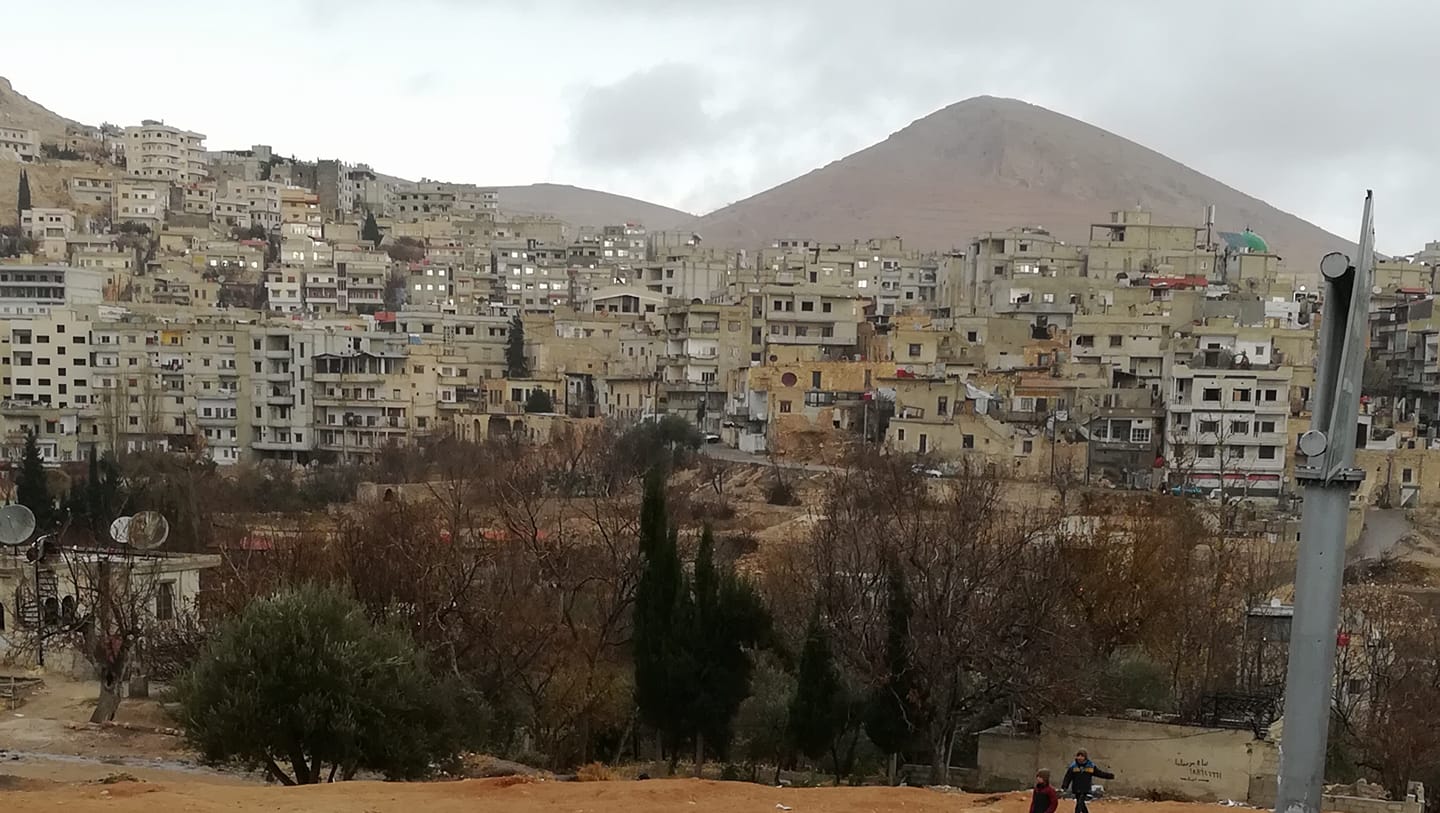
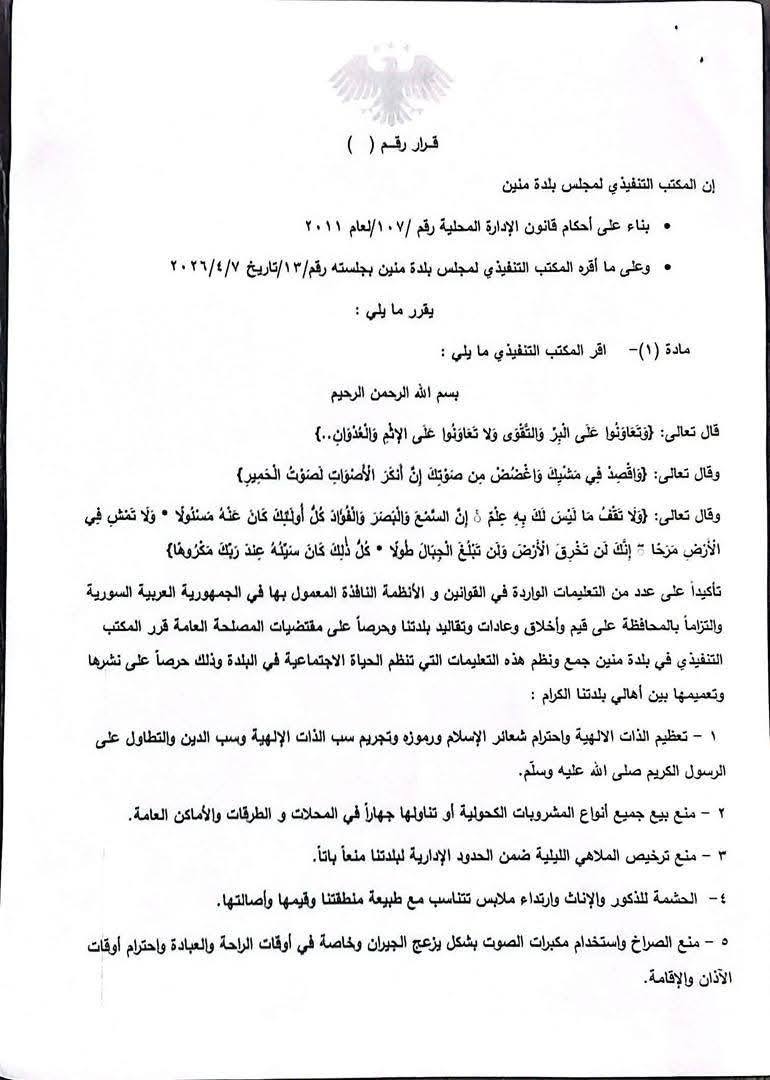
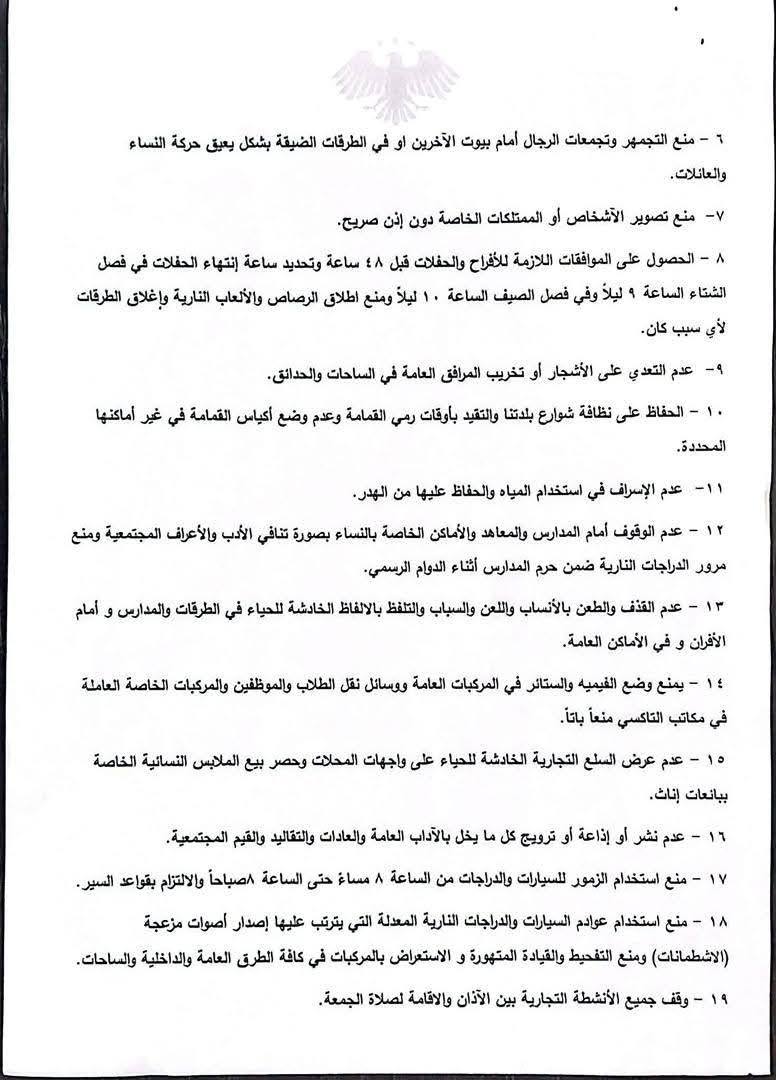
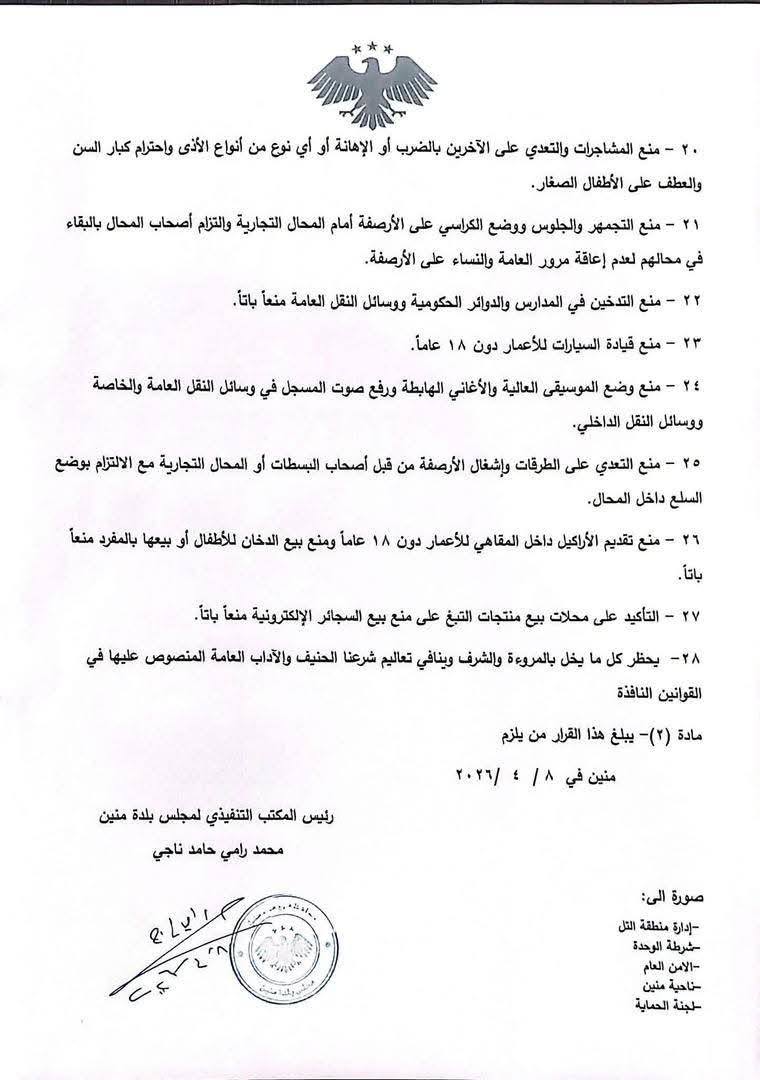
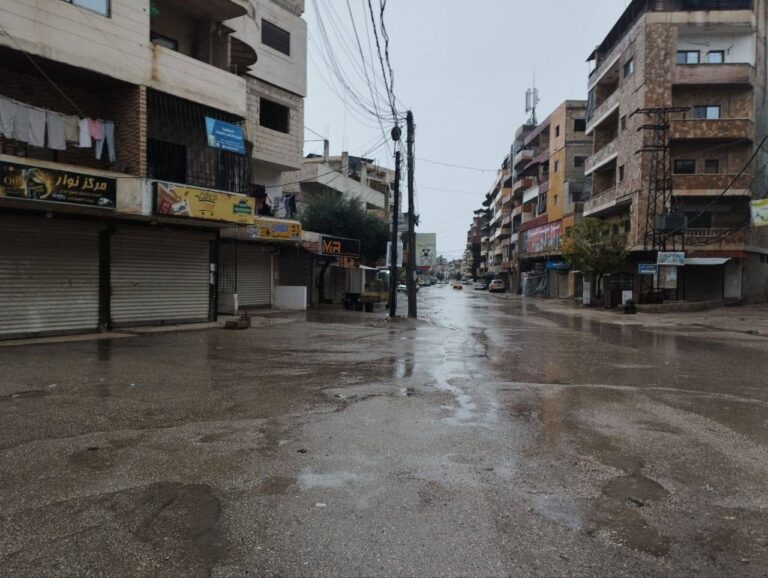
On April 8, 2026, the Municipality of Mnein in Rural Damascus announced a series of administrative decisions imposing extensive restrictions on lifestyles and conduct within the public sphere. This move has triggered increasing human rights concerns regarding the curtailment of personal and public freedoms, particularly within a broader context of escalating similar measures across various areas of the Syrian capital.
Details of the Decisions:
The decisions issued by the Executive Office of the Mnein Town Council included a set of measures that official authorities claimed were aimed at “preserving the values, ethics, customs, and traditions of the town.” Key measures include:
Prohibiting the sale of all types of alcoholic beverages.
Banning the licensing of nightclubs.
Imposing restrictions on the organization of parties and weddings.
Restricting gatherings on public roads.
Imposing regulations on attire and conduct in public places, including “decency” requirements for both males and females.
Prohibiting the display of goods deemed “indecent” in shop windows.
Restricting the sale of women’s private apparel to female vendors only.
Suspending commercial activities during the interval between the Adhan (call to prayer) and the Iqama for Friday prayers.
Banning smoking in schools, government offices, and public transportation.
Prohibiting loud music in public spaces and on transportation.
Total ban on the sale of electronic cigarettes (vapes).
Banning driving for individuals under the age of 18.
Tightening oversight on the occupation of sidewalks and traffic noise.
Criminalizing what was described as “blasphemy against the Divine Self.”
The Broader Context:
These decisions come less than a month after the Damascus Provincial Council issued a decree on March 15, 2026, prohibiting the service of alcoholic beverages in restaurants and nightclubs within Damascus city. That decree similarly sparked widespread controversy and human rights concerns regarding the infringement on personal freedoms and lifestyles.
Observers note that these measures represent a transition from isolated restrictive practices to organized official policies, reflecting a growing trend toward imposing conservative social restrictions. Conversely, official bodies frame these actions as a response to the demands of the “local community” and the protection of “public morals.”
Human Rights Concerns:
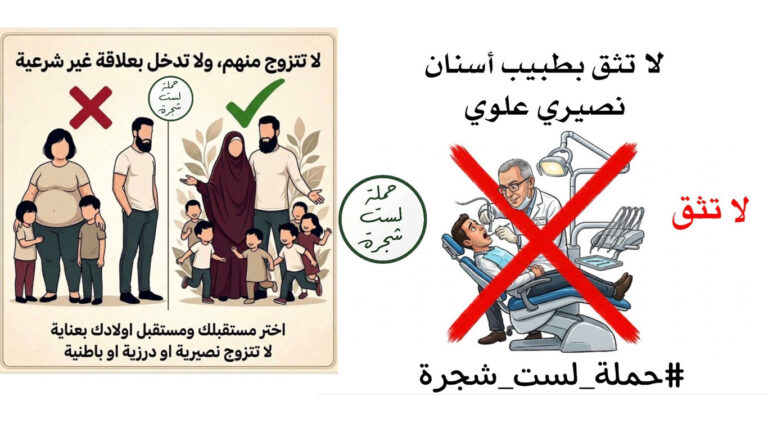
These developments raise fears of an escalating approach based on imposing religious or moral restrictions on the public domain, amid reports of the spread of hate speech and sectarian and religious incitement, including edicts (fatwas) targeting certain religious sects.
Human rights advocates warn that the absence of independent judicial oversight, combined with the failure to involve the local community in drafting these decisions, contributes to the entrenchment of systematic violations of fundamental human rights principles. Chief among these are the freedom of expression, freedom of belief, and the right to privacy, all of which threaten the country’s social and religious pluralism.
Civil Society Reactions:
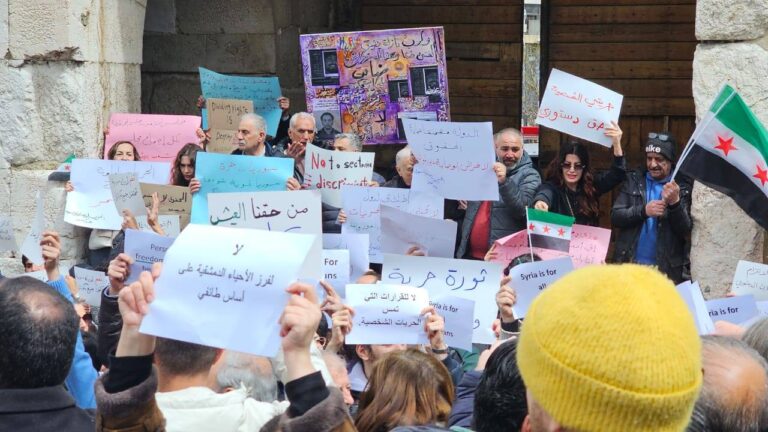
In this context, a peaceful sit-in was held in Bab Touma Square in Damascus on the morning of Sunday, March 22, 2026, under the slogan “We Are Not Refugees – Syria Is for All Syrians.” The protest included a number of residents, including members of the Christian community.
The protesters focused on defending personal freedoms and rejecting what they deemed restrictive measures on lifestyles, asserting that “personal freedom is a constitutional right.” Participants also demanded an end to violations against religious minorities, a rejection of acts of violence and kidnapping, and a cessation of the use of political charges to suppress freedom of expression.
These developments reflect a marked escalation in policies restricting public freedoms in Syria. This raises serious questions regarding the trajectory of the current phase, characterized by an absence of clear guarantees for the respect of fundamental rights at a time when freedoms should be strengthened rather than undermined.#