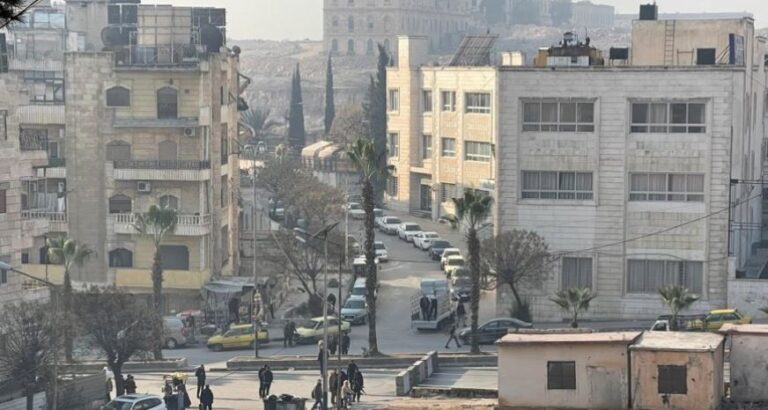
The Syrian coast witnessed, in late December 2025, a campaign of arrests carried out by security elements affiliated with the de facto authority, targeting activists and civilians from the Alawite sect, over their participation in peaceful demonstrations known as the “Flood of Dignity.”
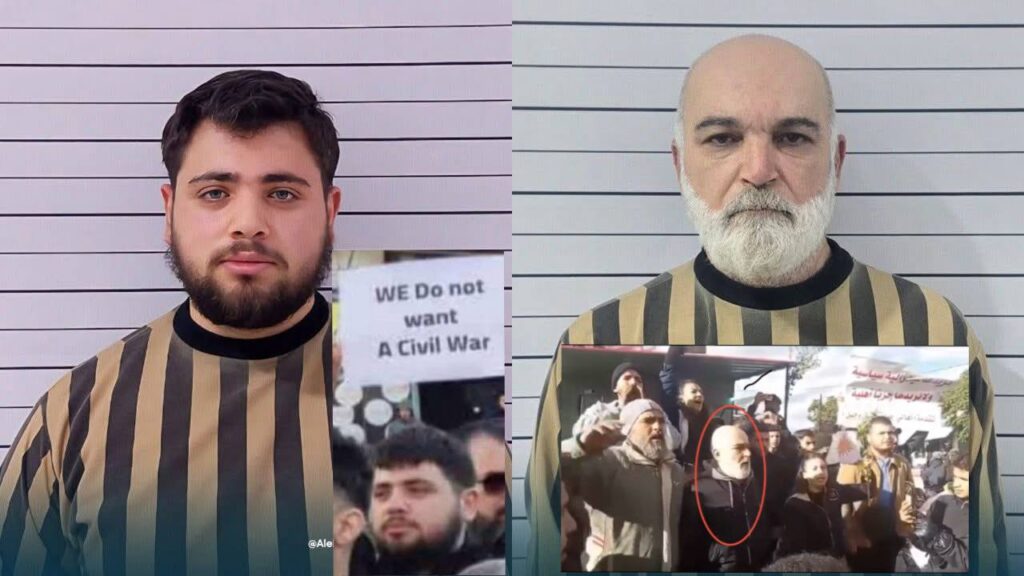
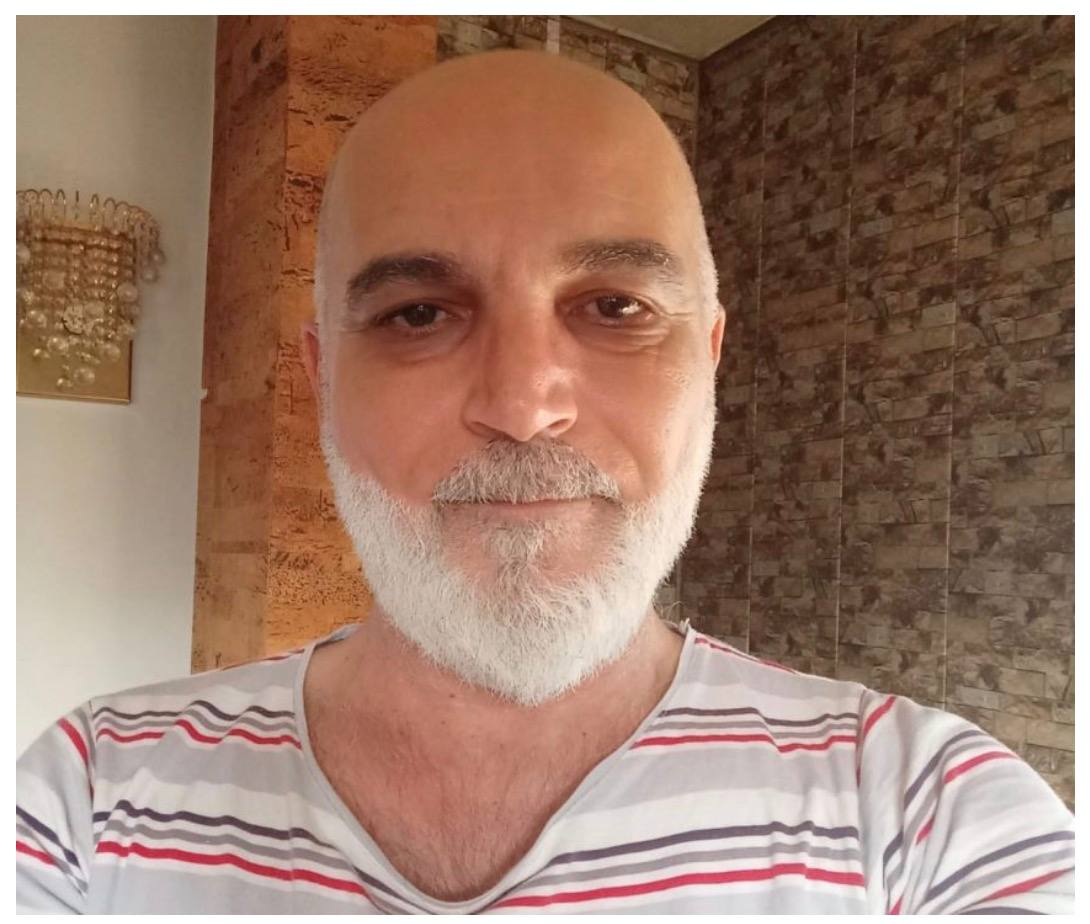
Among those arrested was Aktham Deeb “Abu Lamak,” a Syrian writer and political and civil activist from the Alawite sect, known for his public activity on social media and his calls of a political and civil nature.
On the evening of 30 December 2025, security elements affiliated with the interim authority arrested Aktham Deeb from his home in the village of Baabda in the countryside of the city of Jableh in Latakia Governorate, without announcing a judicial arrest warrant or providing a legal clarification for the reasons for the arrest.
Zain Arous was also arrested, a 21-year-old Syrian young man from the Alawite sect in the city of Jableh – the Eastern Jbaybat neighborhood, over his participation in peaceful demonstrations and his posting of a photo of himself holding a sign that read: “No to civil war.”
The arrests in the same area also included other young men, among them Sami Daher and Ahmad Daher.
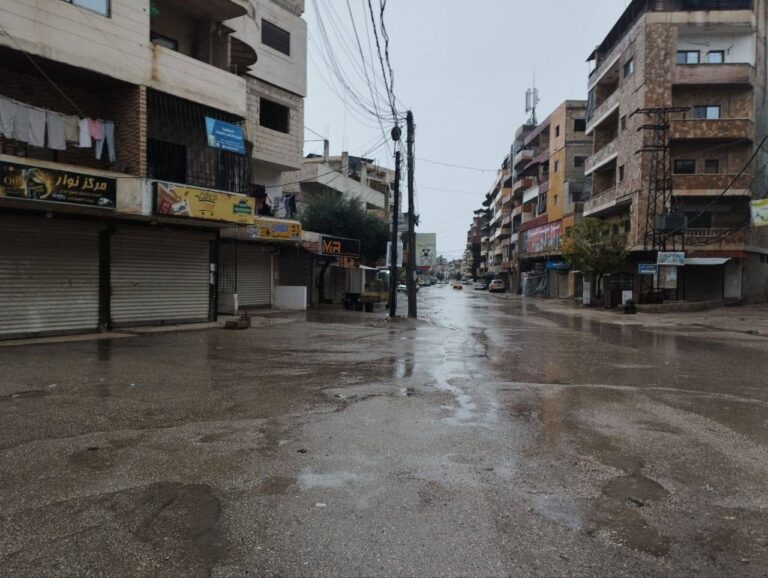
The arrests of Aktham Deeb and Zain Arous came as part of a wide security campaign that followed peaceful demonstrations that took place on 28 December 2025 in several cities and areas of the Syrian coast, including Latakia, Jableh, Qardaha, and Baniyas.
Civilians from the Alawite sect participated in these demonstrations in protest against the bombing that targeted the Ali ibn Abi Talib Mosque in the city of Homs, which resulted in the killing and injury of individuals, all of whom were from the same sect.
According to circulating information, the arrest campaign was preceded by public incitement on social media, targeting the activist Aktham Deeb and others, through the publication of their photos and posts and linking their peaceful participation to accusations related to “incitement” and “the remnants.”
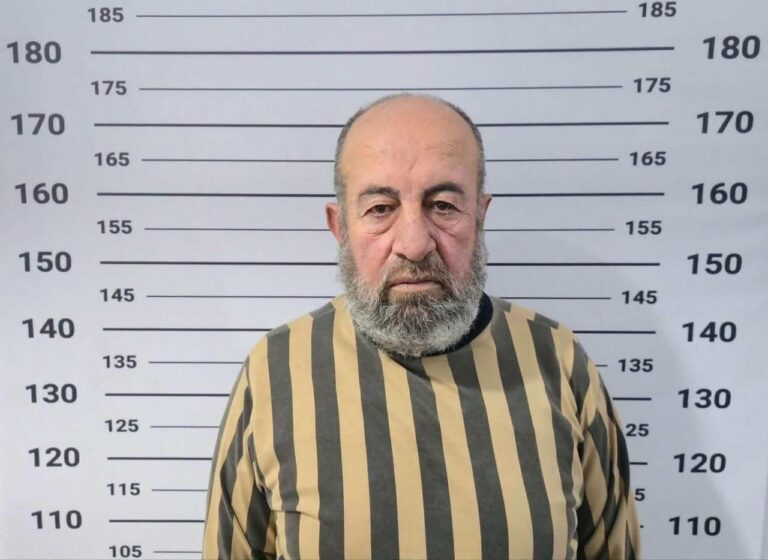
The Ministry of Interior affiliated with the interim authority published photos of a number of detainees and described them in official statements as “war criminals.” Statements by the Minister of Interior, Anas Khattab, included insulting descriptions of demonstrators from the Alawite sect, along with direct threats, which contributed to the escalation of tension and unrest throughout the Syrian coastal regions.
Available data indicate that the number of detainees over these demonstrations exceeded 100 people, most of them civilians and young men, some of them at a very young age.
Deaths and injuries were also recorded among the demonstrators, particularly in the city of Latakia, as a result of gunfire and assaults during attempts to disperse the protests, without any announcement of accountability for those who fired the shots or those responsible for acts of vandalism that affected the property of civilians from the Alawite sect.
In the same context, security forces arrested, on 30 December 2025, Sheikh Ahmad Habib, head of the Alawite Islamic Council in Latakia Governorate, from the village of Qal‘at al-Mahaliba in the countryside of Qardaha, after a heavy security deployment in the village.
This was preceded by the arrest of Sheikh Ali Mohammad Halahl, head of the Alawite Islamic Council in the city of Tartous, on 28 December 2025, over his stance supporting the peaceful demonstrations.
The Ministry of Interior displayed photos of the detainees wearing clothing designated for prisoners and described all of them as “war criminals,” without announcing clear judicial procedures or legal guarantees, while available information confirmed that a large number of the detainees are civilians not involved in any armed activity.
The arrests of Aktham Deeb “Abu Lamak” and Zain Arous come within the context of a broader security campaign targeting activists, civilians, and religious figures from the Alawite sect, over their participation in peaceful demonstrations and the expression of political and humanitarian positions.
This context raises serious concerns regarding freedom of opinion and expression, arbitrary detention, and the repercussions of these measures on civil peace and public freedoms in the Syrian coastal regions.