Areas in the countryside of Kobani (Ayn al-Arab) and the countryside of Raqqa in northern Syria are witnessing a noticeable escalation in attacks and violations targeting Kurdish civilians and their property, coinciding with increasing incitement campaigns and hate speech on certain media platforms affiliated with the authorities in Damascus. These developments occur within a fragile security context and amid the continuation of restrictions and the blockade imposed on the predominantly Kurdish city of Kobani, raising growing concerns about the safety of civilians and the possibility of displaced persons returning to their areas.
Attack on the Car of a Kurdish Citizen in Tell Abyad, Raqqa Countryside
Local sources documented an assault that occurred on 12 March 2026 in the city of Tell Abyad (Girê Spî) in northern Raqqa Governorate, where the vehicle of Kurdish citizen Khalil Mirza was attacked after he entered the city.
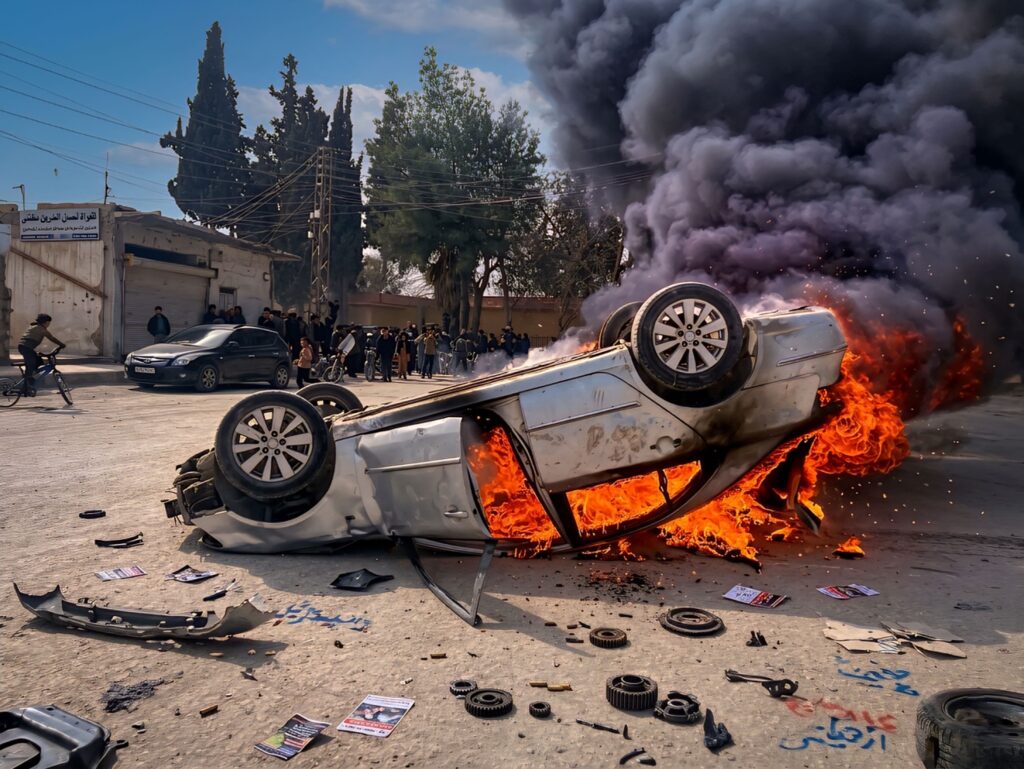
According to the available information, armed individuals, including civilians, assaulted Mirza and smashed his vehicle before deliberately setting it on fire in the middle of the city, amid what witnesses described as a state of security chaos and a security vacuum in the area.
The sources indicated that the assault followed unconfirmed accusations that the aforementioned citizen was affiliated with the Syrian Democratic Forces (SDF), while local sources confirmed that he is not a member of those forces.
It is noted that the victim originates from the village of Tel Akhdar in the countryside of Tell Abyad. He had previously been displaced to the city of Raqqa before recently returning to his hometown in parallel with the gradual return of some Kurdish families to the area.
Activists circulated a video documenting the smashing of the vehicle, in which a person appears directing insults and racist expressions against Kurds, reflecting an escalation of hate speech and ethnic incitement in the region. In the video he says: “This is a lesson for every Kurdish dog and pig.”
In past years, the areas of Tell Abyad and Sere Kaniye (Ras al-Ayn) witnessed large-scale displacement of Kurdish residents following the takeover of the two areas by armed factions supported by Turkey, which was accompanied by reports of looting and seizure of private property.
With discussions of a possible return of Kurdish residents following the recent agreements between the Syrian Democratic Forces and the transitional government, concerns are increasing about attempts to provoke tensions and create security disruptions that may hinder the return of civilians to their areas.
Tensions and Assaults in the Countryside of Kobani
In the countryside of the city of Kobani in eastern Aleppo Governorate, incidents of tension and attacks on property were also recorded during the same period.
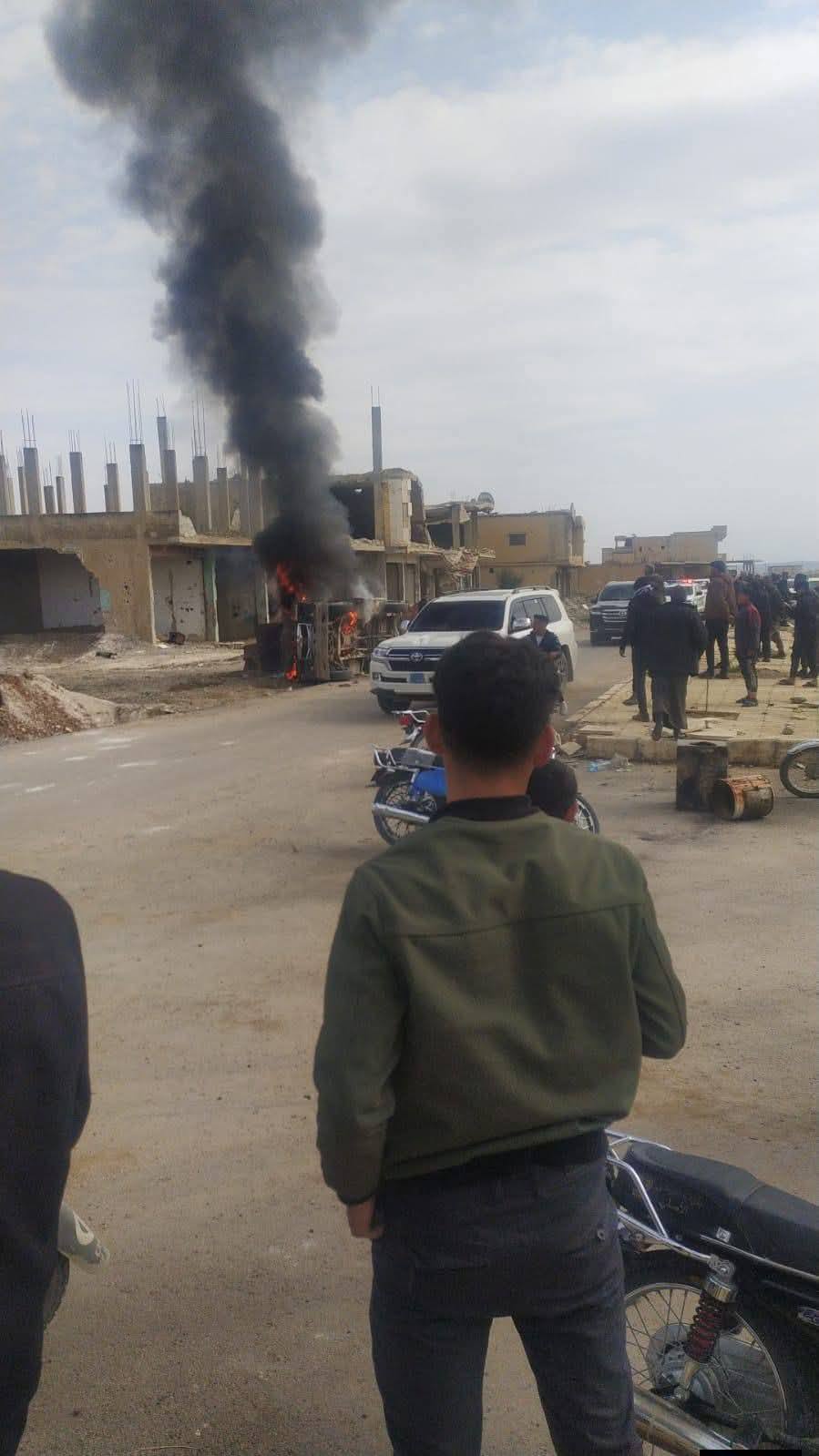
On 12 March 2026, the Jab al-Faraj roundabout witnessed tensions after a group of individuals burned a vehicle and prevented checkpoints of the Asayish forces from carrying out their duties, while chanting slogans rejecting the presence of the Syrian Democratic Forces in the area.
According to local sources, the General Security Forces later intervened in an attempt to contain the tension and prevent further escalation.
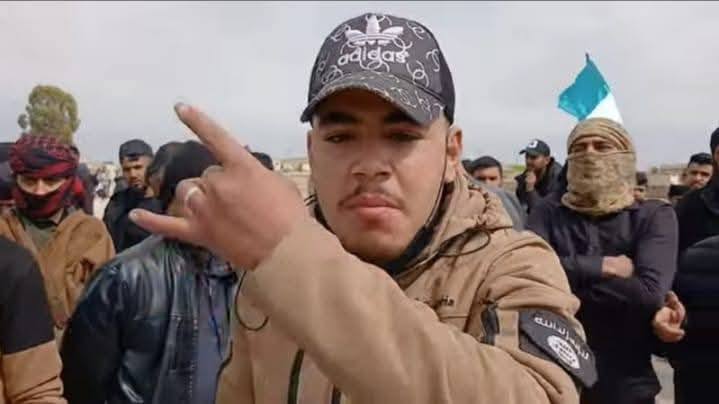
Other sources also reported that armed groups arriving from the countryside of Manbij, under the cover of civilians, assaulted civilians in the village of Jab al-Faraj following the vehicle-burning incident, while chanting slogans against the residents of Kobani.
In another incident in the town of al-Shuyukh (al-Shighlar) in the Kobani countryside, a group of armed men accompanied by civilians attacked property belonging to Kurdish residents of the town, burning several vehicles and vandalizing private property, causing a state of concern and tension among residents.
Information indicates that General Security Forces affiliated with the transitional government were present in the town at the time the assaults occurred, although no confirmed information is currently available regarding their direct intervention to stop these acts.
During the incident, armed individuals also burned Kurdish flags, which provoked anger and resentment among residents.
Racist Slogans and Threats in the Village of Kark
In another incident, unknown individuals wrote racist and inciting slogans against Kurds on the walls of houses in the village of Kark, located in the countryside of the city of Ayn al-Arab (Kobani).
The writings included the phrases: “Kurdish blood is permissible” alongside “Islamic State.”
Continuing Restrictions on Kobani Despite Agreements
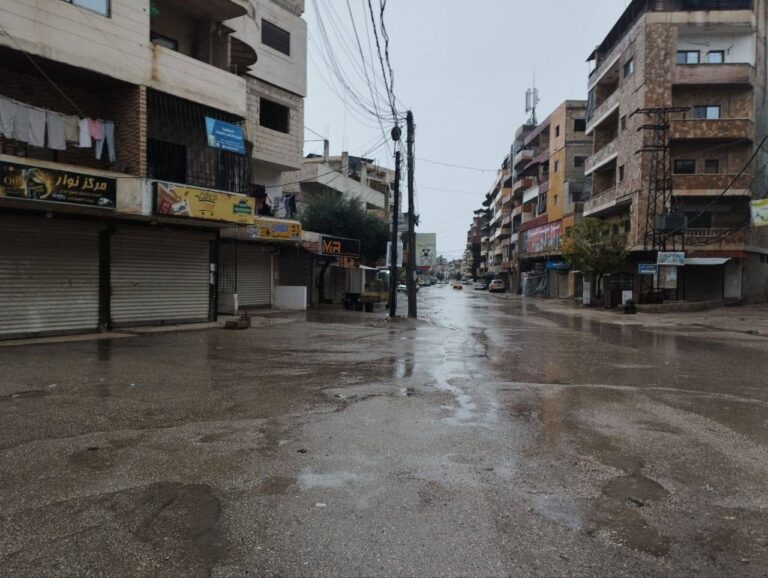
In a related context, the Kobani administration expressed concern over the slow implementation of the provisions of the agreement signed on 29 January, indicating that the city and its countryside still suffer from restrictions and measures it described as a “blockade,” despite more than 50 days having passed since the signing of the agreement.
In a statement, the administration explained that the city continues to face several measures, including:
Continued disruption of internet services
Restrictions imposed on movement in and out of the city
Prevention of the entry of fuel
It also indicated the continued presence of military factions affiliated with the transitional government in a number of Kurdish villages southeast of Kobani, with cases of kidnapping and assaults recorded against civilians from those villages.
The administration affirmed that the full implementation of the agreement requires lifting all restrictions imposed on Kobani and its countryside and respecting the administrative, cultural, and legal particularities of the region, in addition to guaranteeing the participation of its residents in the management of their affairs.
The statement also criticized the government’s decision to appoint a figure from outside the Kobani region to administer the area, considering that this measure is inconsistent with the provisions of the agreement and does not reflect the will of the region’s residents.
These recurring incidents in the countrysides of Kobani and Raqqa indicate a worrying escalation in assaults and hate speech against Kurdish civilians at a sensitive time when the region is witnessing attempts to facilitate the return of displaced persons and restore stability after years of conflict. This calls for continuous human-rights monitoring, the protection of civilians, and the prevention of any retaliatory or discriminatory acts that threaten civil peace.