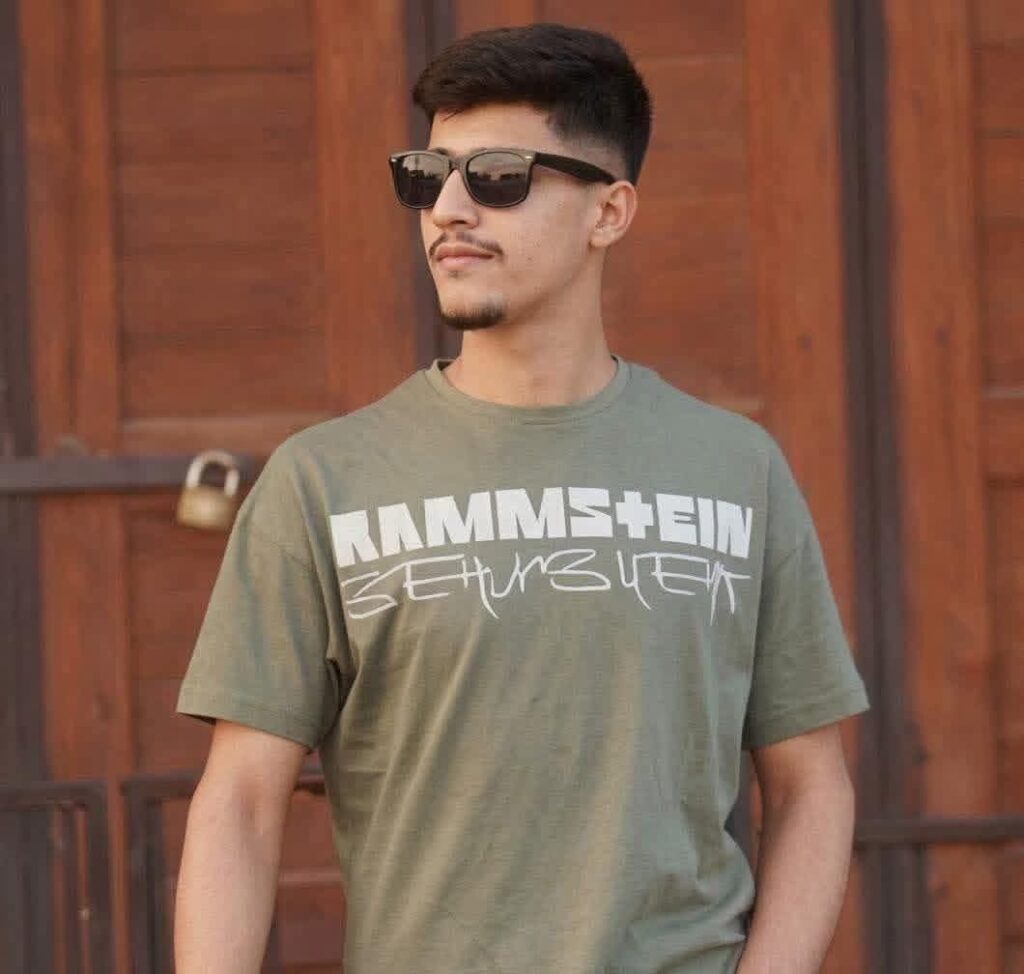
The Killing of Yarub Youssef Matouk and Conflicting Accounts Regarding the Circumstances of His Death in Ashrafiyat Sahnaya: Calls for an Independent Investigation Amid Fears of Media Disinformation
The death of the young man Yarub Youssef Matouk has sparked significant controversy and conflicting accounts regarding the circumstances surrounding his death, after he was found deceased in the area of Ashrafiyat Sahnaya in the Damascus countryside. While some sources reported that he was the victim of a homicide, official accounts and others issued by local religious authorities indicated that the death resulted from a suicide incident. This comes amid a state of social and sectarian tension affecting certain areas in Syria, which increases the risk of the spread of misinformation and reinforces the need for an independent and transparent judicial investigation to uncover the truth.
A forensic doctor at the Shahba City Hospital in Suwayda Governorate told local media that the body of the young man Yarub Youssef Matouk, who belonged to the Druze community, arrived at the hospital on the evening of Tuesday, March 10, 2026, where the body was examined to determine the cause of death.
The forensic doctor explained that the cause of death, according to the initial examination, was hanging, as indicated by the marks present on the neck. However, he emphasized in his statement that he could not determine conclusively whether the death resulted from suicide or homicide. He added that he had provided additional details to the competent judicial authorities but refrained from disclosing them through the media, noting that the case requires an expanded investigation by the competent judiciary in order to fully clarify its circumstances.
According to sources at Shahba Hospital, the young man’s father stated that his son had been murdered. Sources close to the family also reported that Yarub Matouk had been assaulted by a group of individuals at his workplace in the Ashrafiyat Sahnaya area, where he was beaten and strangled.
Those sources further stated that some hospitals in the Damascus countryside initially refused to receive his body in the hours following the incident, claiming that this occurred “for sectarian reasons,” an allegation that has not yet been independently verified.
In contrast, the “Spiritual Council of the Druze Unitarian Community in Sahnaya” issued a statement dated March 11, 2026, explaining that the competent official authorities had followed up on the incident from the moment it occurred, in coordination with the deceased’s family.
According to the statement, the body was examined by a specialized committee that included the Chief Public Prosecutor in Ashrafiyat Sahnaya, the forensic doctor Dr. Jamal Khamis, and the Director of the Sahnaya administrative district. The statement reported that the young man was found suspended by a rope inside the shop where he worked in the Al-Qusour neighborhood of Sahnaya and had died at the scene, confirming that he had not been detained or held in custody by any authority.
The statement added that the applicable legal procedures had been completed and that the available information indicates the incident resulted from suicide for personal reasons. The body was subsequently handed over to his family, who transferred it to Suwayda Governorate for burial there.
For his part, Karam Al-Khatib, Director of the Public Relations Office at the Rural Damascus Media Directorate, denied what had been circulated on certain media pages and social media platforms regarding the young man’s killing on sectarian grounds.
In a press statement, Al-Khatib explained that the competent authorities had opened an official record regarding the incident and that preliminary findings indicate the death resulted from a suicide case linked to an emotional dispute. He confirmed that the medical and criminal procedures had been completed and that the body was handed over to the deceased’s family, who transferred it to Suwayda Governorate for burial there.
In light of the conflicting accounts between the forensic doctor’s testimony, the victim’s family’s statements, and the declarations issued by official and religious bodies, the circumstances surrounding the death of Yarub Youssef Matouk remain inconclusive.
This discrepancy indicates the necessity of conducting an independent and transparent judicial investigation that ensures the full disclosure of the circumstances of the death and the accountability of any potentially responsible party should a crime be proven. It also highlights the need for accuracy in the circulation of information, particularly in the context of the tense climate in Syria, where unverified or misleading reports may contribute to inflaming societal and sectarian divisions.