Dismissal of 198 Employees—Predominantly from the Alawite Community—in Latakia: An Escalating Pattern of Discriminatory Dismissal Decisions within Syrian State Institutions
During January and February 2026, a marked escalation was documented in decisions to dismiss employees and workers from Syrian public institutions, issued by the interim authority (Hay’at Tahrir al-Sham). These measures were concentrated primarily in the coastal governorates (Latakia and Tartus) and in Hama Governorate, and—according to available information—disproportionately targeted employees belonging to the Alawite community. This raises serious concerns regarding the existence of a dismissal policy based on sectarian discrimination, amounting to collective punishment prohibited under international human rights law.
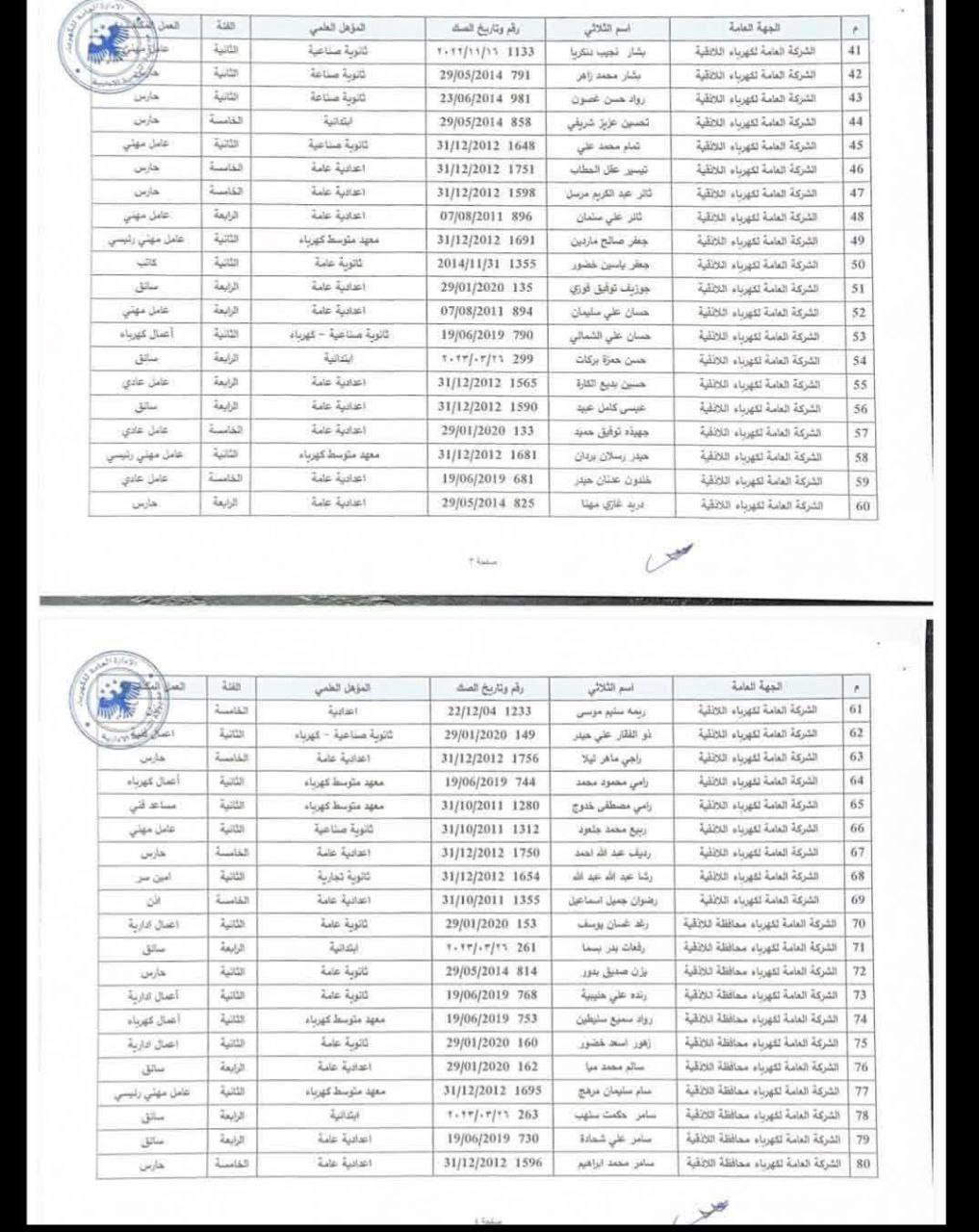
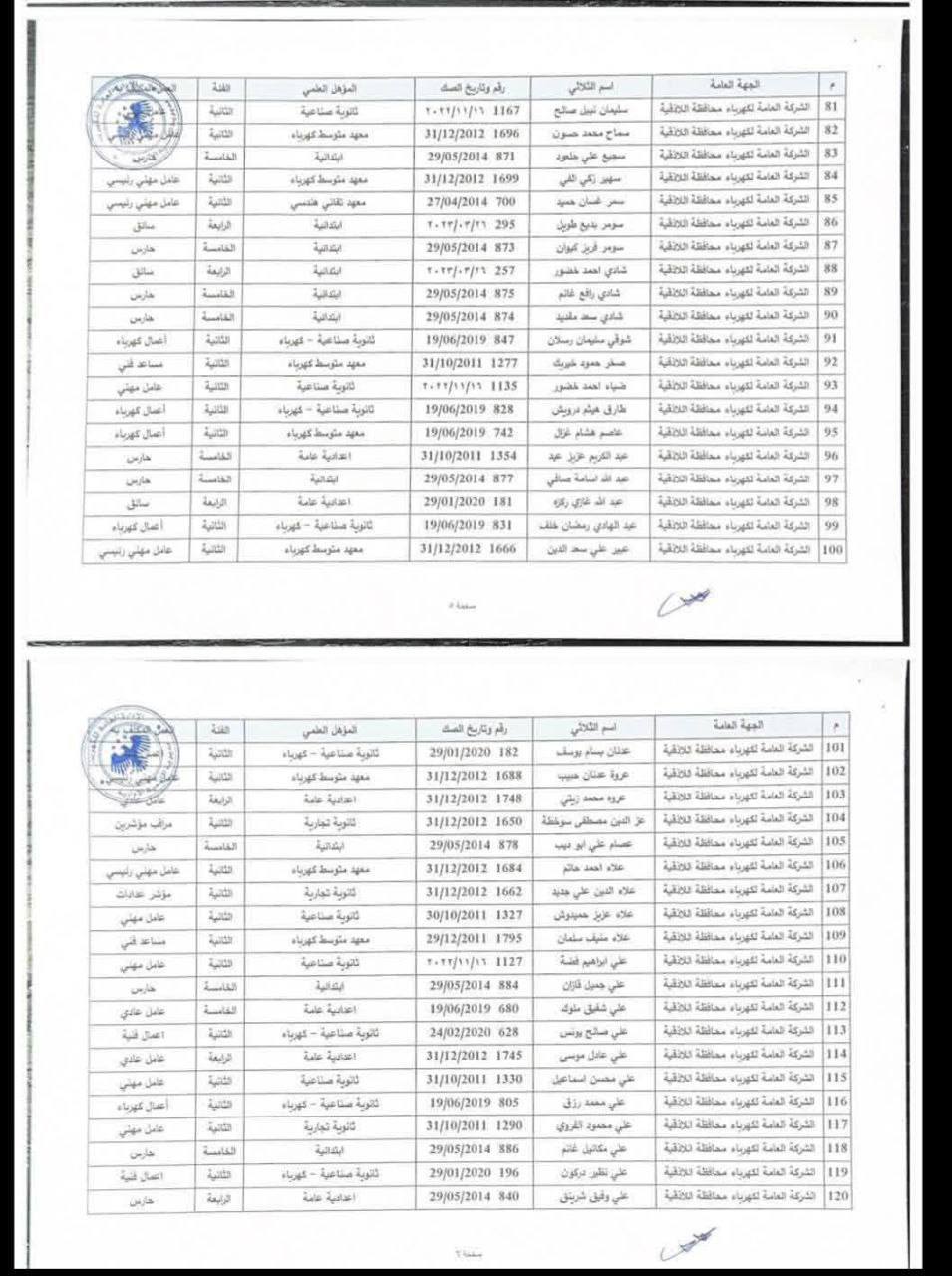
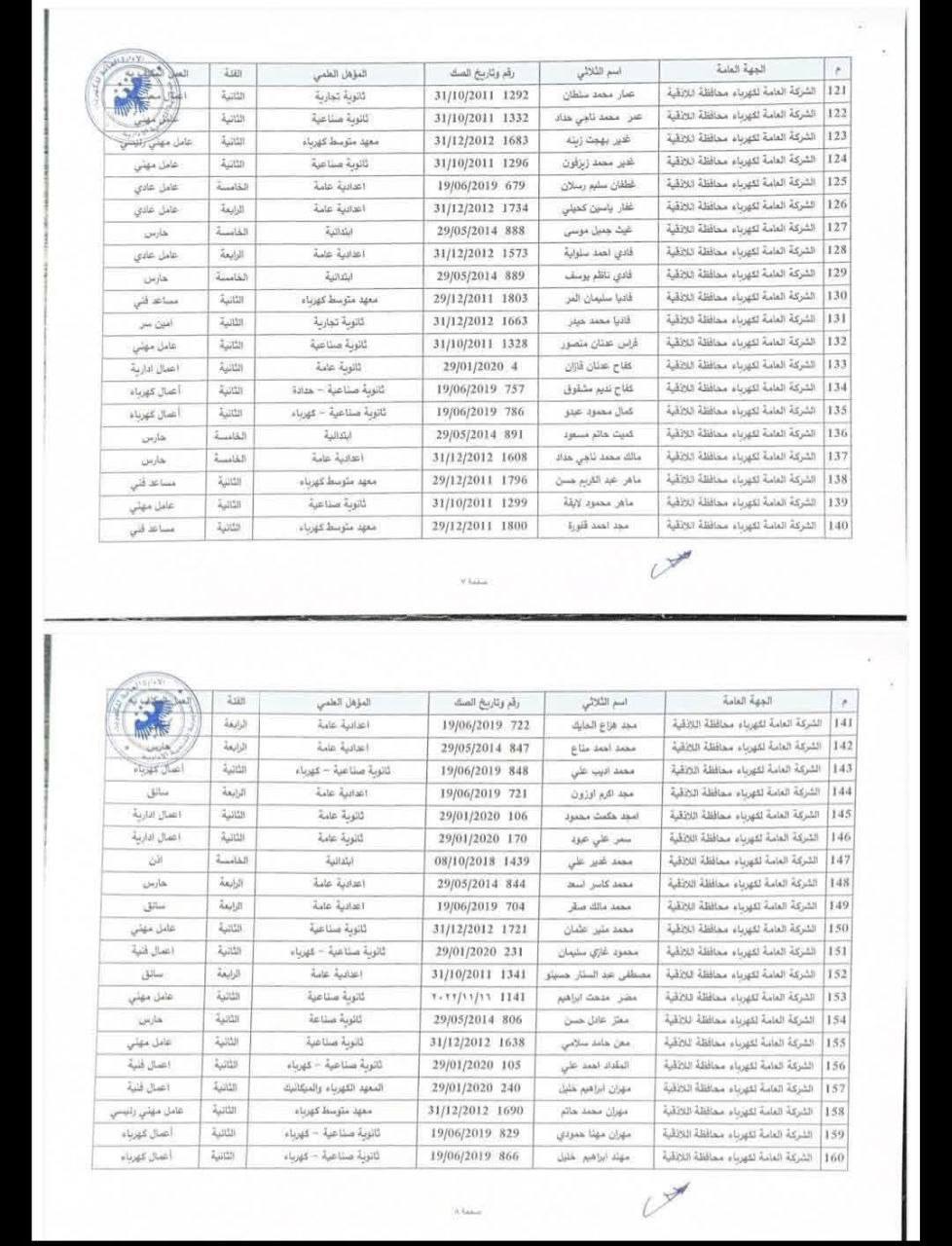
First: Dismissal of 198 Employees from the General Electricity Establishment – Latakia
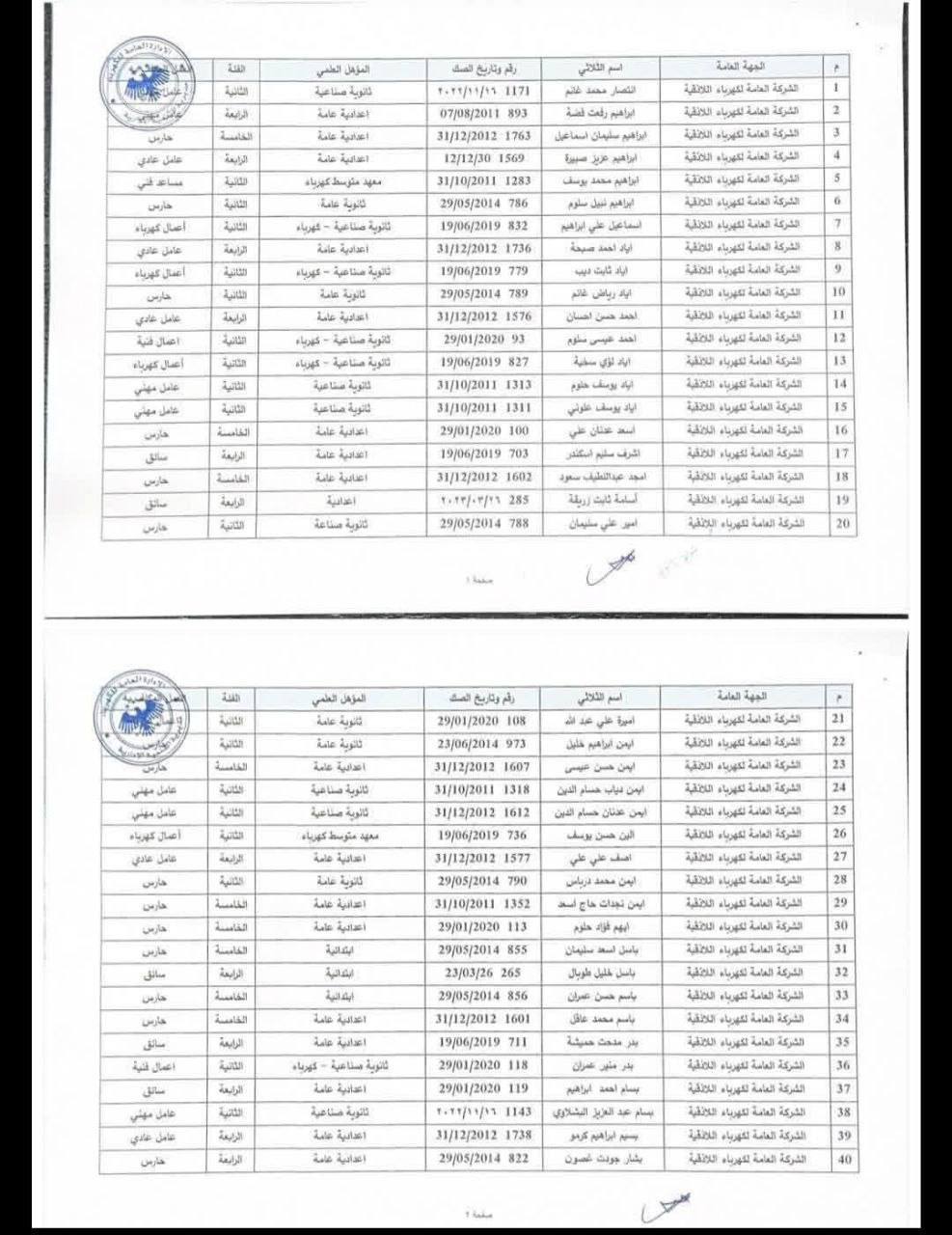
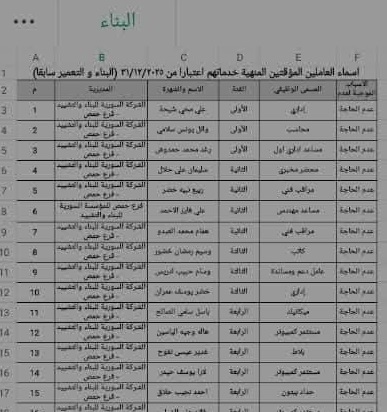
On 4 February 2026, an administrative decision circulated providing for the dismissal of 198 employees from directorates of the General Electricity Establishment in Latakia Governorate.
According to circulated information, the overwhelming majority of those dismissed are members of the Alawite community.
Local sources reported that, in several cases, the dismissals were accompanied by the replacement of dismissed employees with others brought from Idlib Governorate. Observers considered this an additional indication of the sectarian and discriminatory nature of these measures, particularly in the absence of professional criteria or transparent legal procedures.
Second: Renewal of Teachers’ Protests in Latakia
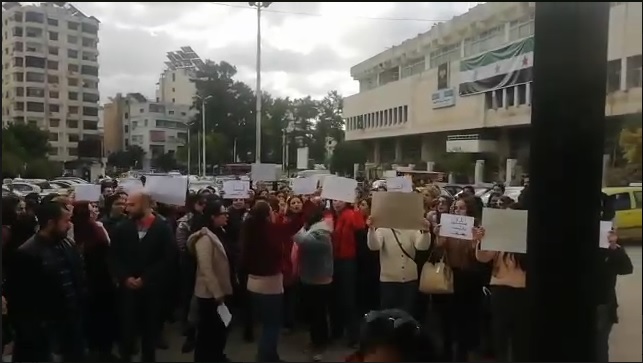
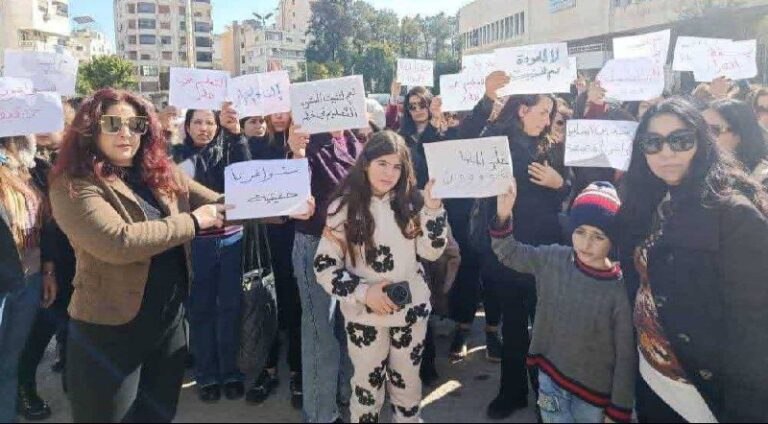
On 3 February 2026, teachers in the city of Latakia staged demonstrations—the second of their kind—in protest against:
A decision requiring them to return to governorates where they had previously been appointed, after having received approval for transfer to their places of residence; and
The renewal of their contracts for only one month, a step described by protesters as a prelude to indirect dismissal.
Protesters affirmed that these measures undermine job stability and constitute deliberate economic pressure on a specific segment of teachers.
Third: Simultaneous Sit-Ins by Teachers in Latakia and Tartus
On 1 February 2026, male and female teachers in the cities of Latakia and Tartus carried out simultaneous sit-ins in front of the Directorates of Education in both governorates, protesting decisions dismissing them from their positions.
According to participants’ testimonies, the dismissal decisions were based on sectarian considerations and resulted in thousands of families losing their sources of livelihood in areas where members of the Alawite community constitute a demographic majority.
Fourth: Dismissal of 309 Employees from the Directorates of Agriculture – Latakia
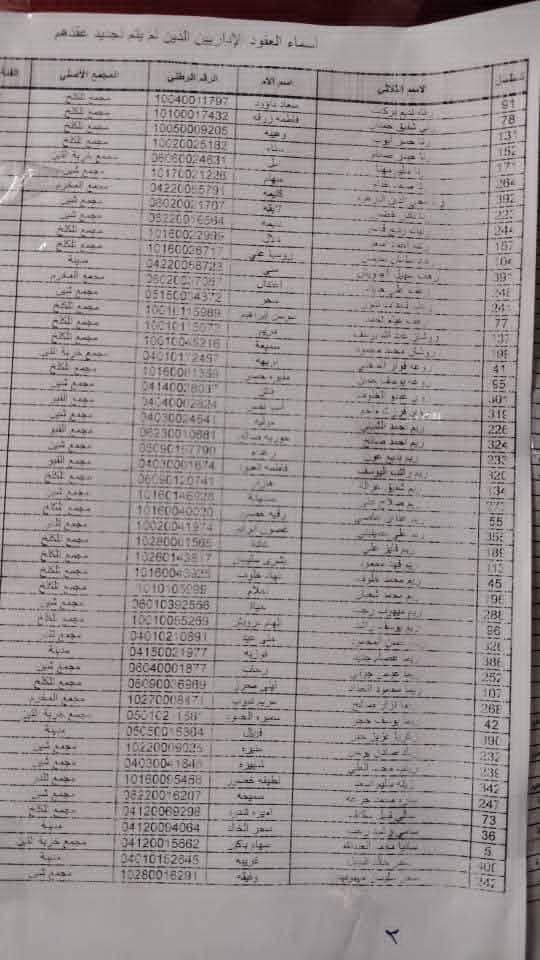
On 26 January 2026, a decision circulated providing for the dismissal of 309 employees affiliated with the Directorates of Agriculture in Latakia Governorate, implemented without prior notice.
Available information indicates that most of those dismissed are members of the Alawite community. Among them were 100 contract employees working at the Ciano Research Center.
Fifth: Dismissal Decisions at Masyaf Hospital – Hama Countryside
On 24 January 2026, new dismissal decisions circulated affecting doctors, employees, and healthcare staff at Masyaf Hospital in the countryside of Hama Governorate.
According to documented information, the majority of those dismissed belong to the Alawite community, within a context similar to previous dismissal cases recorded in the same area.
Cross-referenced information indicates that these decisions are concentrated in areas with an Alawite majority and target vital sectors (electricity, agriculture, healthcare, and education). They are often implemented without announced disciplinary procedures or effective legal avenues for appeal.
According to preliminary reports in circulation, the number of dismissed employees and workers belonging to the Alawite community across various governorates and sectors has exceeded 10,000 persons to date.
If substantiated, this pattern may constitute a violation of the principle of non-discrimination enshrined in:
The Universal Declaration of Human Rights (Articles 2 and 23); and
The International Covenant on Economic, Social and Cultural Rights.
The documented facts set out above reveal alarming indicators of the use of employment dismissal as a tool of collective exclusion on a sectarian basis, threatening social cohesion and undermining the economic and social rights of a broad segment of Syrian citizens. This situation calls for an independent and transparent investigation and for the ضمان provision of effective legal remedies for those affected.