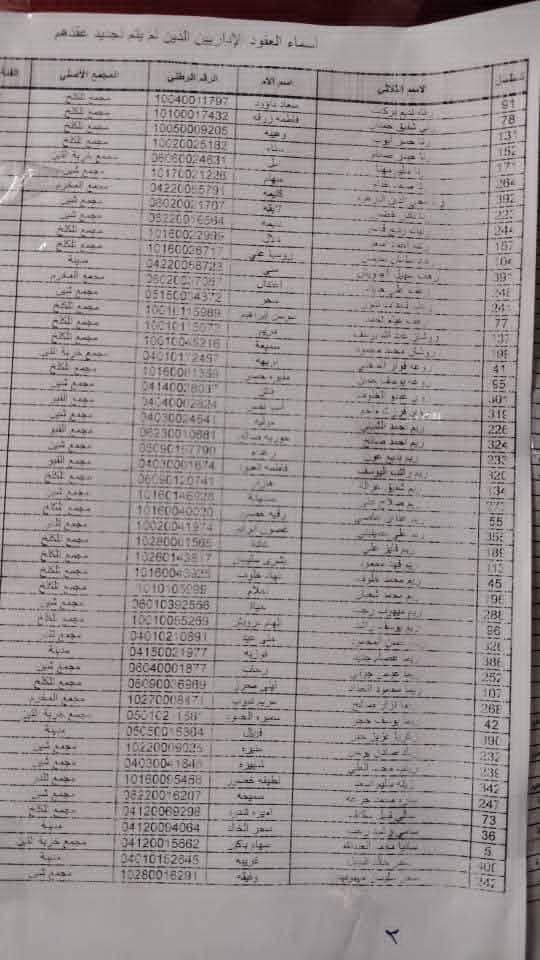
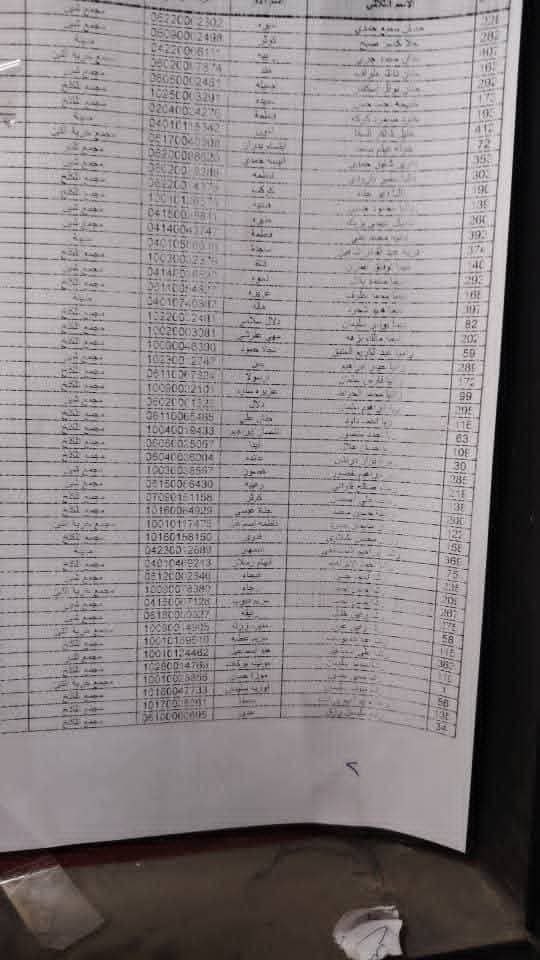
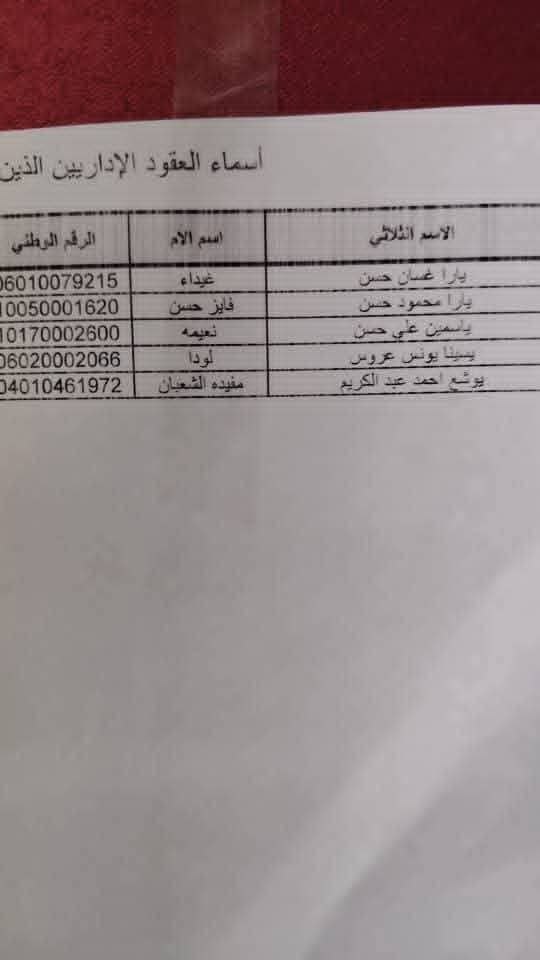
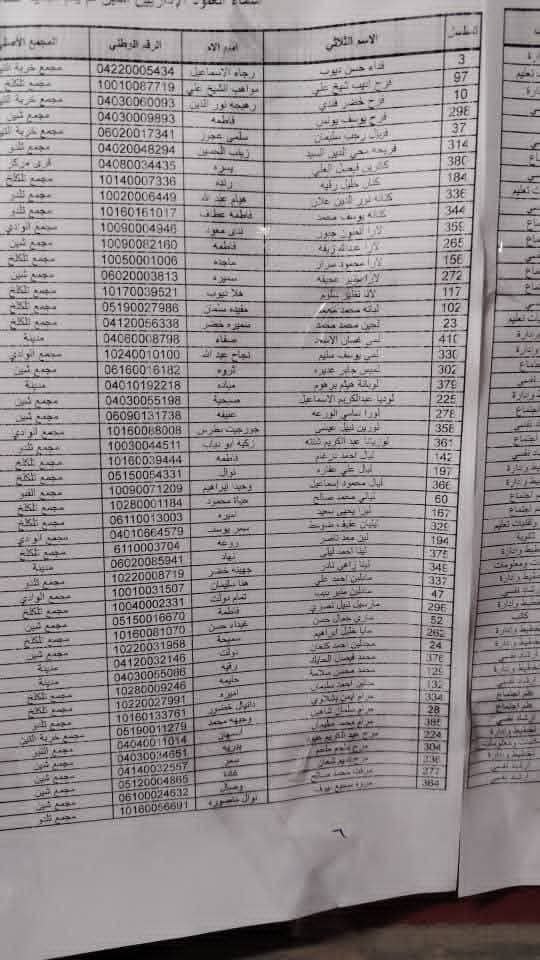
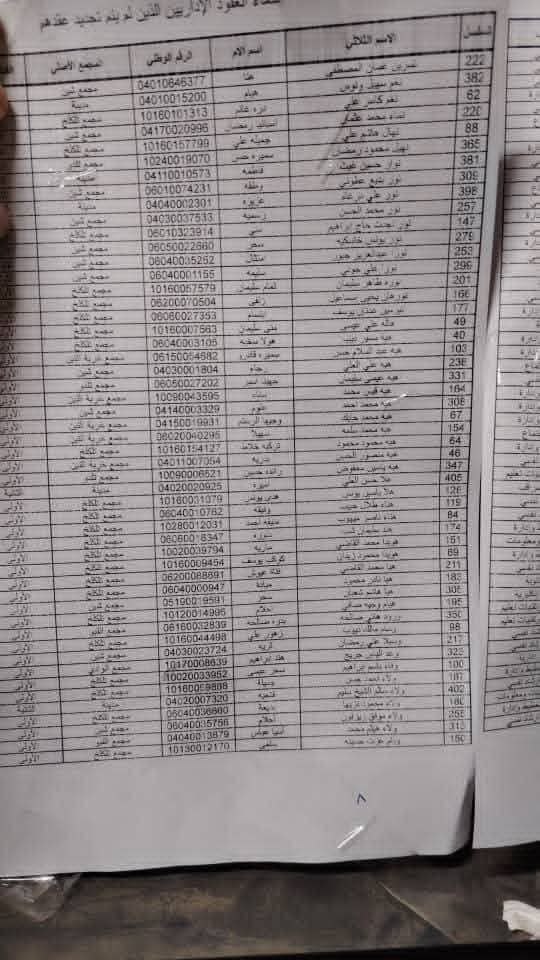
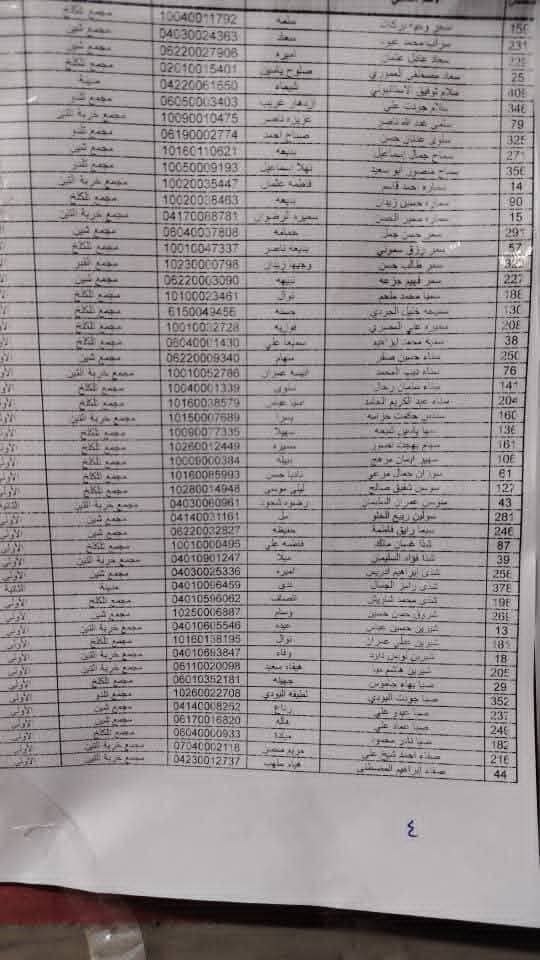
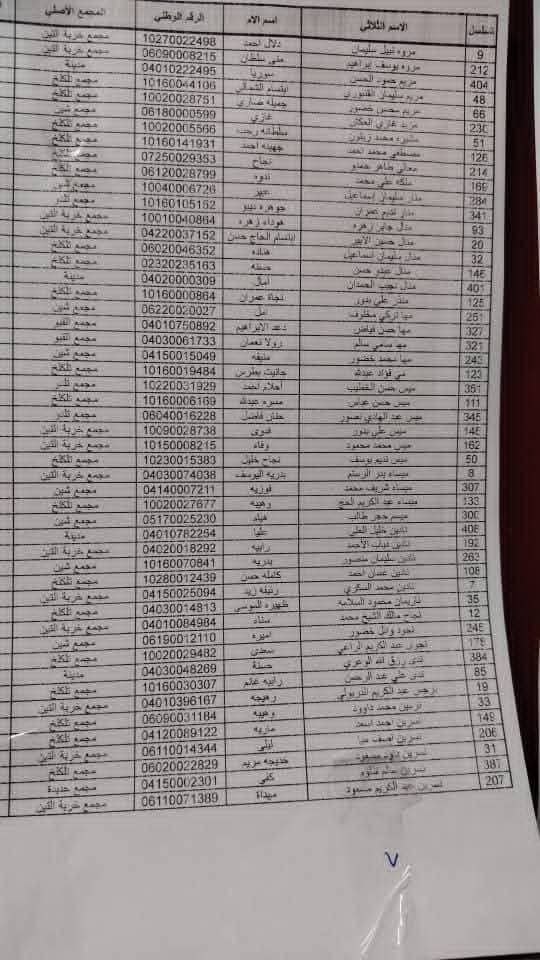
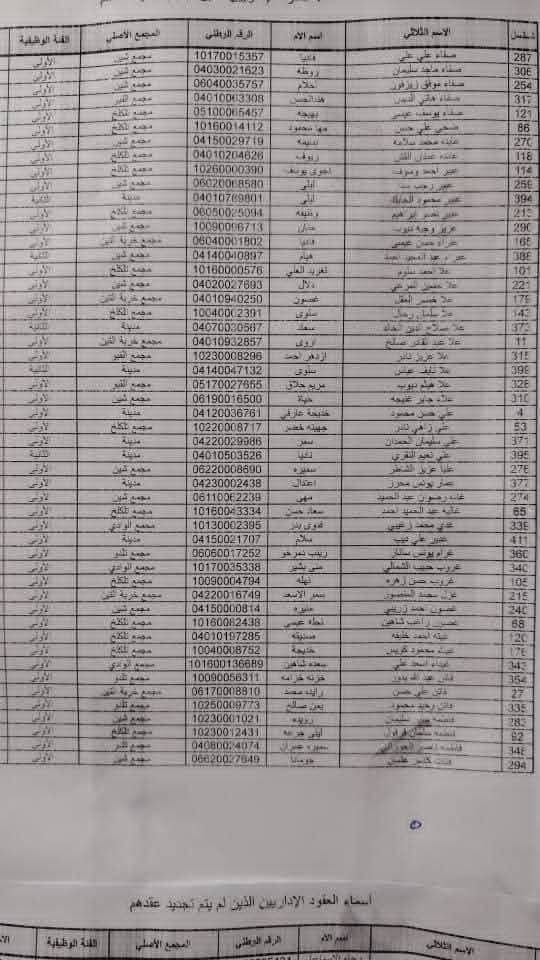
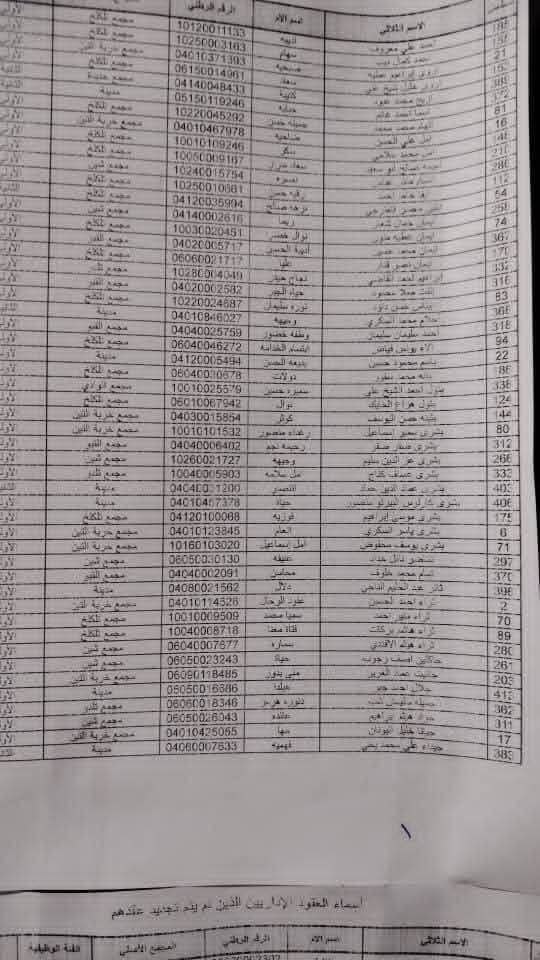
The Directorate of Education in Homs Governorate, central Syria, has terminated the services of more than 400 employees working under the administrative contract system. This move has raised serious human rights concerns, particularly as the majority of those dismissed belong to the Alawite sect; the termination was executed by declining to renew their contracts upon expiration.
According to available information, the employment of over 400 staff members at the Homs Directorate of Education was terminated through the non-renewal of their administrative contracts, in the absence of transparent criteria or clearly articulated justifications. Based on the data, this measure constitutes a form of collective dismissal, raising questions regarding the relevant authorities’ commitment to the principles of non-discrimination and equal opportunity in employment.
Data indicates that the largest proportion of employees affected by this decision are members of the Alawite sect. This reinforces concerns regarding the existence of discriminatory motives based on sectarian affiliation, which constitutes a violation of human rights principles, including the right to work and protection from discrimination.
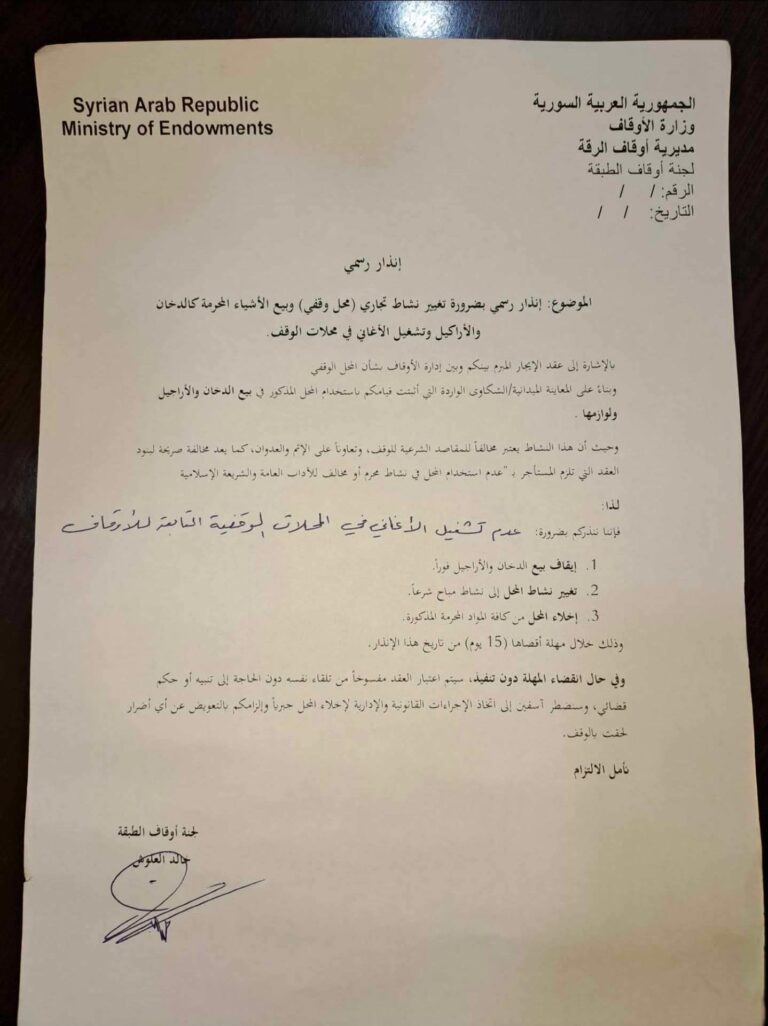
This incident occurs within a broader context of similar measures observed recently, where a marked escalation has been recorded in decisions to dismiss employees and workers from Syrian public institutions. These decisions were issued by the de facto authority represented by Hay’at Tahrir al-Sham (HTS).
These decisions have been concentrated particularly in the Syrian coastal governorates and other regions, including Latakia, Tartus, Hama, and Homs. According to cross-referenced information, these measures have primarily targeted employees from the Alawite community.
This evidence points to a potential pattern of violations that may amount to systematic discrimination based on sectarian identity, contradicting obligations under International Human Rights Law—specifically those pertaining to the right to work and non-discrimination. Furthermore, there is an urgent need for independent and transparent investigations to verify the circumstances surrounding these decisions, ensure accountability, and prevent their recurrence.