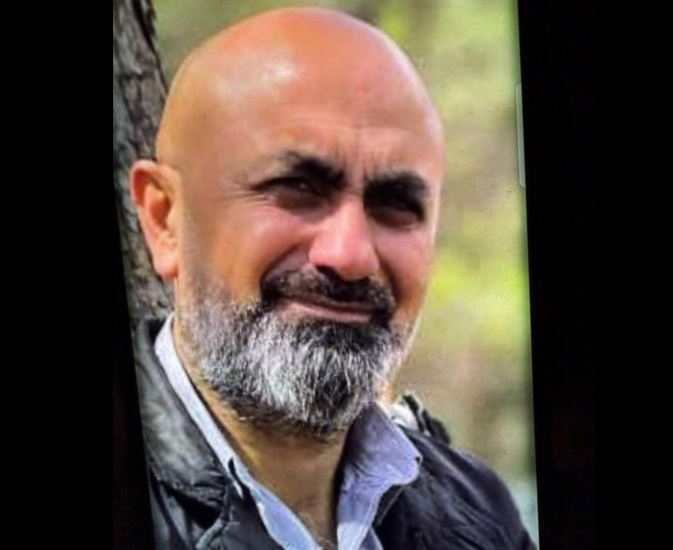
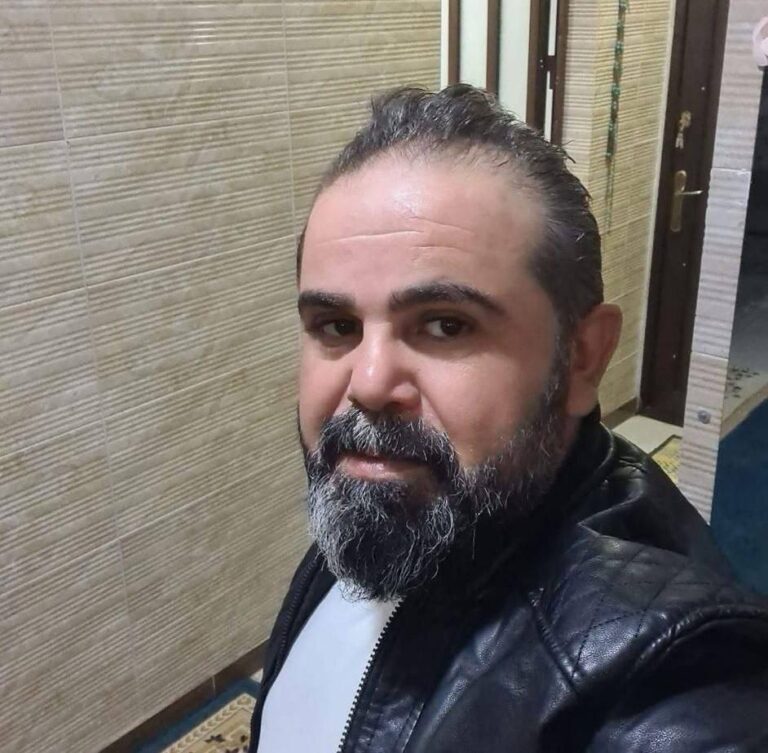
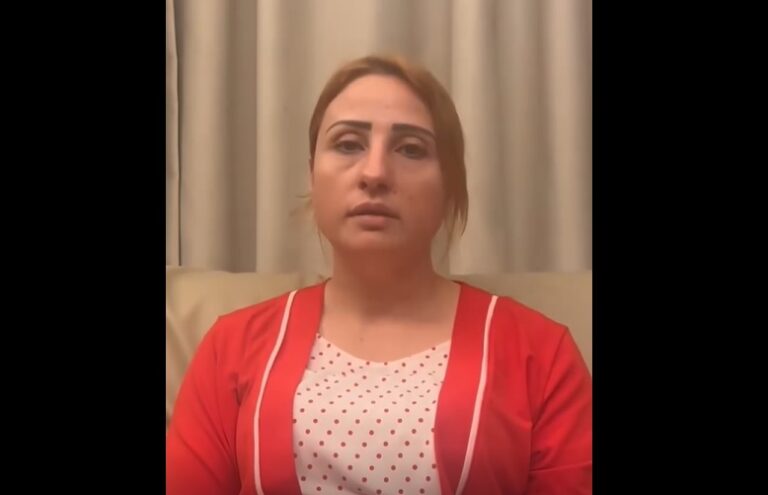
On May 4, 2026, General Intelligence affiliated with the interim authorities arrested Fathi Ali Muslim, a Kurdish citizen and owner of a plumbing supplies shop, in the city of Raqqa, northern Syria. The arrest was conducted without the presentation of a legal warrant or any official clarification regarding the procedures taken against him.
According to reports by media outlets loyal to the interim authorities, the arrest was justified by allegations claiming that the detainee had previously worked for the Syrian Democratic Forces (SDF).
This incident occurs within the context of an ongoing campaign feared to be targeting Kurdish citizens in Raqqa, amid indicators of restrictive practices that may amount to systematic violations, including arbitrary detention and pressure aimed at forced displacement.
On May 3, 2026, the Public Security Apparatus of the interim authorities arrested Kurdish lawyer Iyad Kitkani in Raqqa, without providing clear legal grounds or official justifications for the detention. According to media outlets close to the authorities, his arrest was similarly linked to his previous work with the Syrian Democratic Forces.
Days prior to these events, a more severe incident was recorded involving the death of a Kurdish citizen, Ismail al-Kurd, under torture, less than 24 hours after his arrest. Information indicates that he was detained on April 30, 2026, from the Kurdish Quarter (Hayy al-Akrad) in Raqqa, and his body was subsequently handed over to his relatives on May 1, 2026, bearing strong indicators of exposure to torture during his detention.
These incidents reinforce concerns regarding the use of torture and ill-treatment within detention centers, particularly in the absence of effective judicial oversight and independent accountability mechanisms.
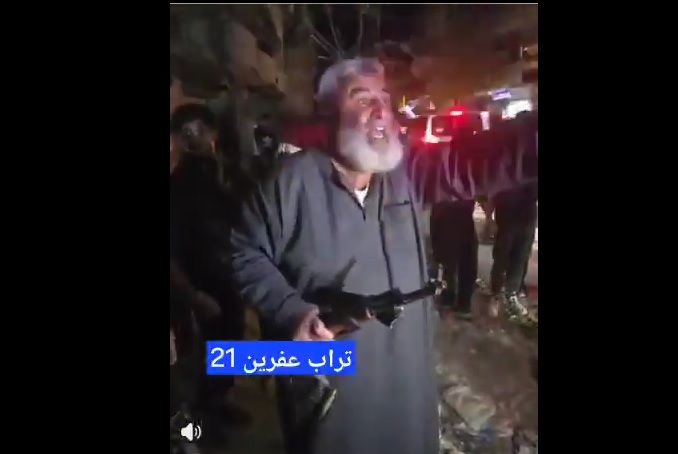
Data indicates an escalation of pressure and arbitrary practices against the Kurdish population in both the city of Raqqa and the town of Ain Issa, including the involvement of tribal groups loyal to the interim authorities.
Since the interim authorities assumed control of Raqqa in January 2026, a series of measures targeting Kurdish properties has been documented, including the issuance of eviction notices for commercial shops and residential homes, particularly in the town of Ain Issa.
These facts underscore the urgent need to launch independent and transparent investigations into the circumstances surrounding the detention of Fathi Ali Muslim, the arrest of lawyer Iyad Kitkani, and the killing of Ismail al-Kurd, while ensuring that those responsible for these violations are held accountable.
Furthermore, it highlights the necessity of taking urgent measures to protect civilians in areas under the control of the interim authorities, halting all forms of arbitrary detention and torture, and ensuring respect for fundamental rights without discrimination based on ethnicity or national identity.