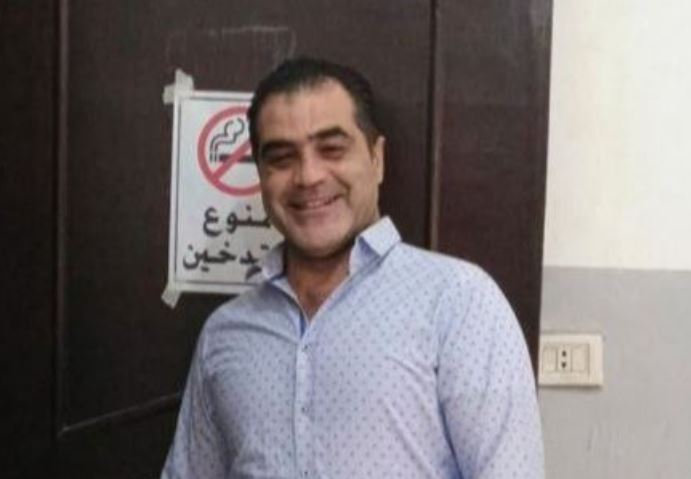
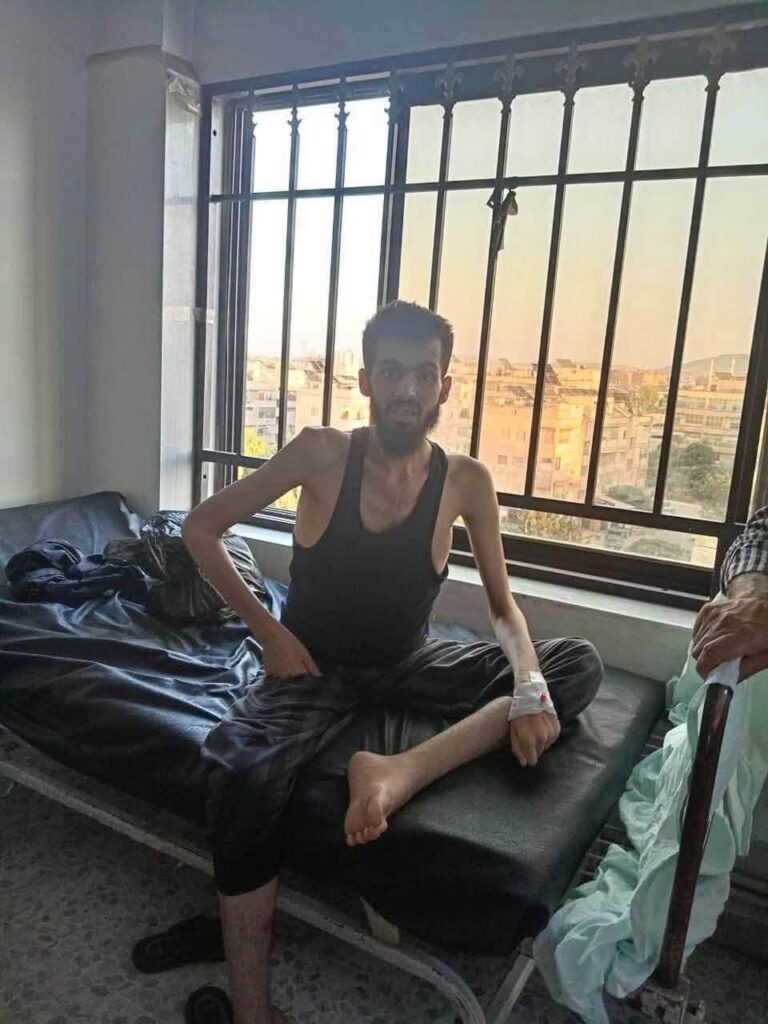
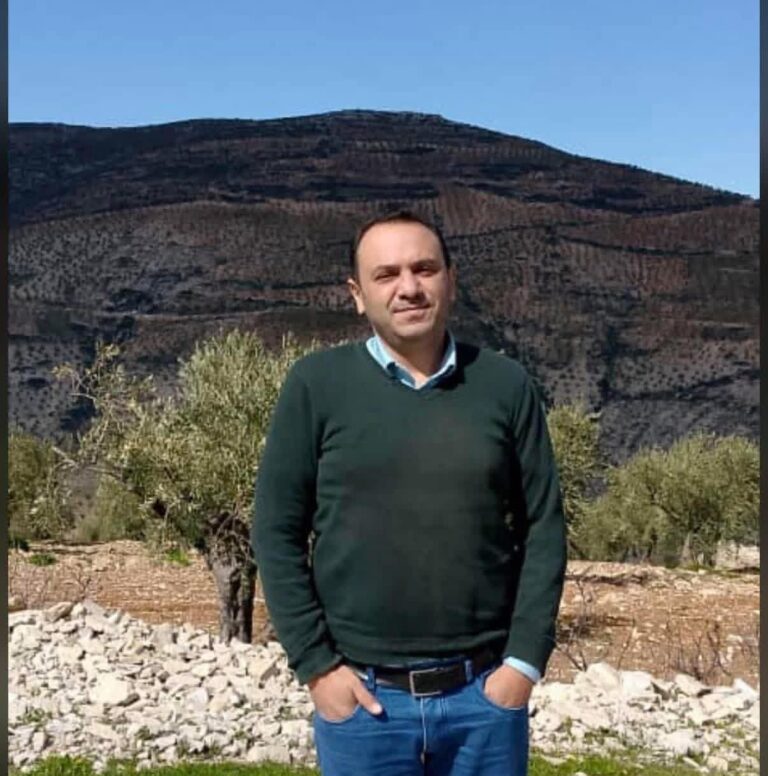
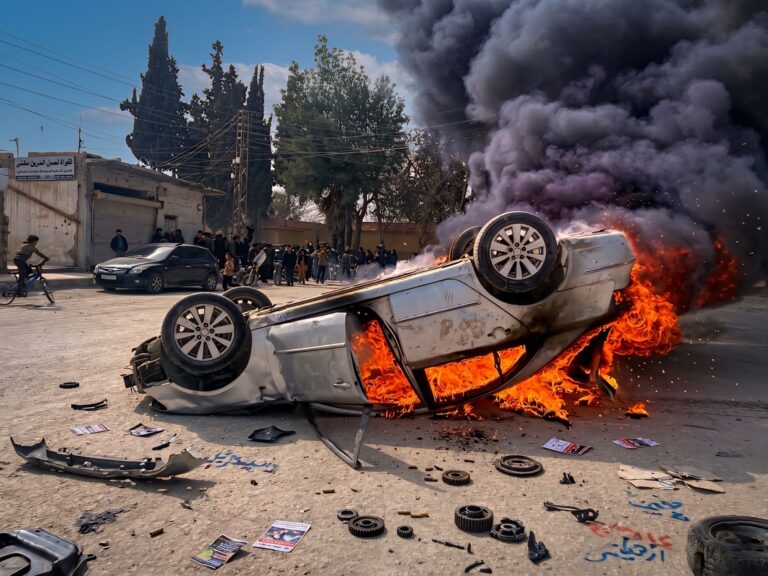
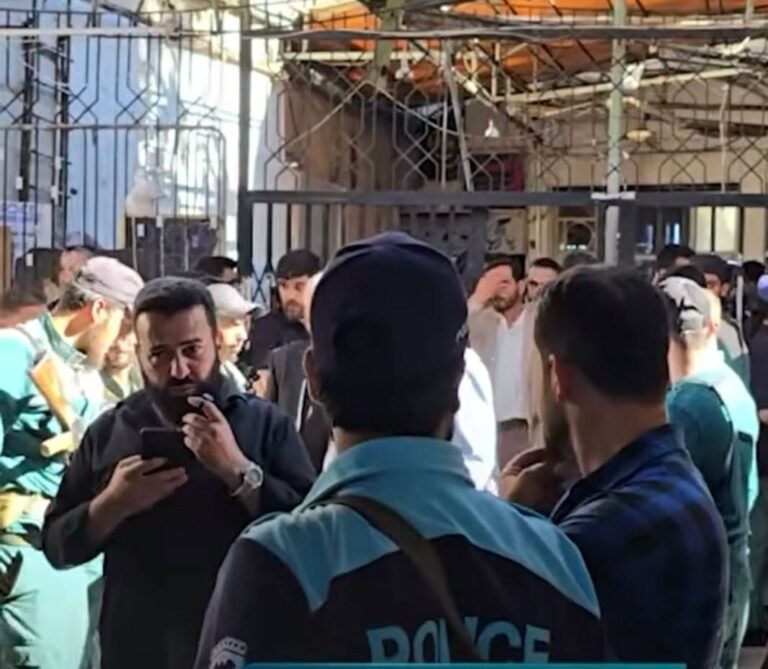
On May 3, 2026, the General Security Service of the interim authorities arrested Kurdish lawyer Iyad Kitkani in the city of Raqqa. No legal grounds or official justifications were provided for the arrest.
This incident occurs within an escalating context of measures and practices feared to be targeting Kurds in the region. According to media outlets close to the interim authorities, Kitkani had previously worked for the Syrian Democratic Forces (SDF).
The arrest follows only days after the death of a Kurdish citizen, Ismail al-Kurdi, under torture, less than 24 hours after his detention in Raqqa. According to available information, he was arrested on April 30, 2026, from the “Al-Akrad” (Kurdish) neighborhood. His body was handed over to his family on May 1, 2026, showing strong indications of torture during his detention.
This incident points to serious concerns regarding the use of torture and ill-treatment within detention centers, amid an absence of judicial oversight or accountability mechanisms.
Information from local sources suggests that the motives behind Ismail al-Kurdi’s arrest may be linked to attempts to seize his house and property. This falls within a broader pattern of violations targeting the property of Kurdish civilians in areas under the control of the interim authorities.
These incidents come amid rising violations against the Kurdish population in both the city of Raqqa and the town of Ain Issa, where they face pressure and arbitrary practices by tribal groups loyal to the interim authorities.
Since the interim authorities took control of Raqqa in January 2026, a series of measures targeting Kurdish properties has been documented, including the issuance of eviction notices for commercial shops and homes, particularly in the town of Ain Issa.
This data underscores the urgent need to open independent and transparent investigations into the circumstances surrounding the arrest of lawyer Iyad Kitkani and the death of Ismail al-Kurdi, ensuring that those responsible for these violations are held accountable.
Furthermore, there is a vital necessity for urgent measures to ensure the protection of civilians in areas controlled by the interim authorities, to halt all forms of violations, and to guarantee respect for fundamental rights without discrimination based on ethnicity or national affiliation.