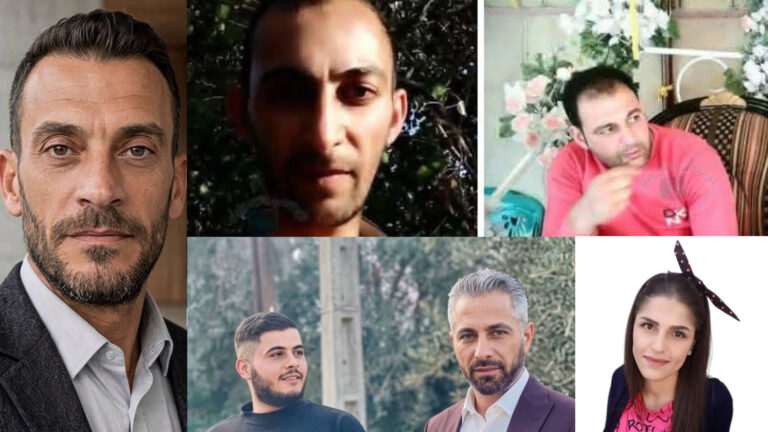
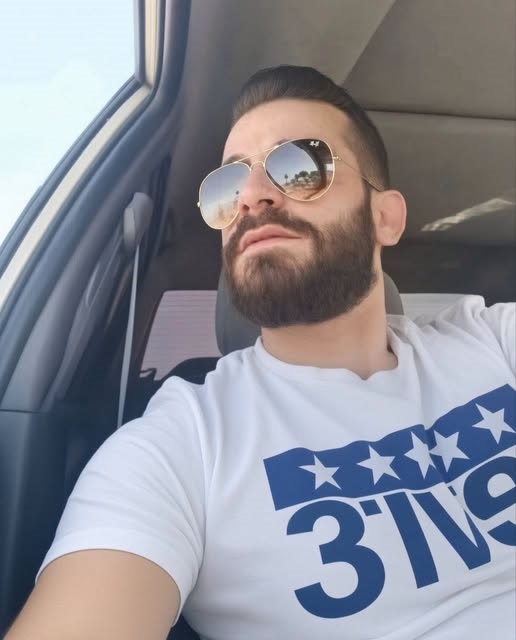
According to consistent local testimonies, personnel affiliated with the General Security in the city of Jableh, Latakia Governorate, western Syria, have arrested psychiatrist Nadeem Abbas. The arrest followed his participation in an individual solidarity vigil demanding the disclosure of the fate of young woman Batoul Suleiman Alloush, amid an ongoing legal and humanitarian controversy surrounding her case and mounting fears that she has been subjected to kidnapping or enforced disappearance under religious and inciting pretexts.
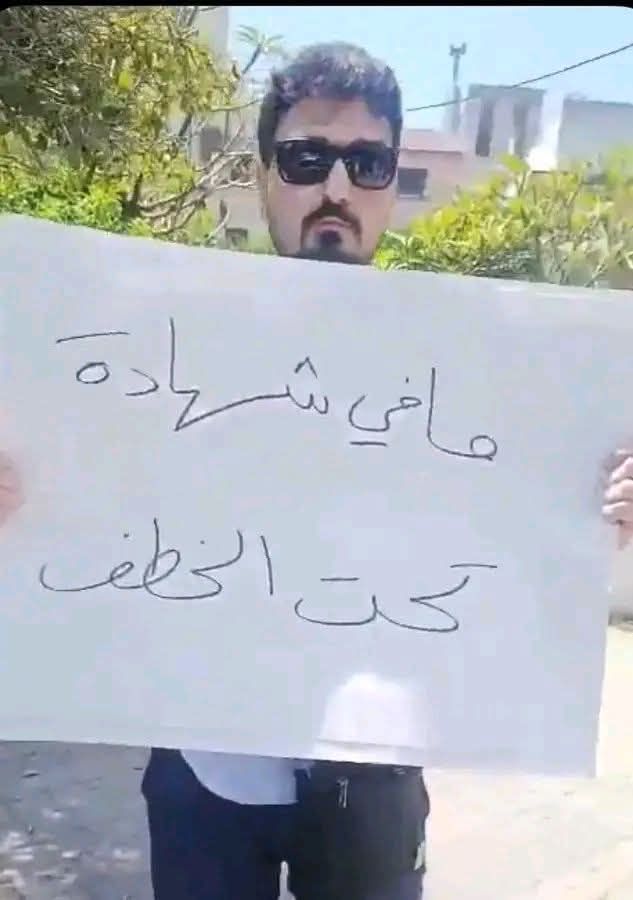
According to circulated information, Nadeem Abbas—a psychiatrist from Tartous Governorate and a member of the Alawite community—arrived in Jableh on Monday, May 11, 2026. He held a placard in front of the Government Complex near the old garage, which read: “There is no testimony under kidnapping,” in reference to the disappearance of student Batoul Alloush, and in rejection of any statements or recordings believed to have been extracted under duress or coercion.
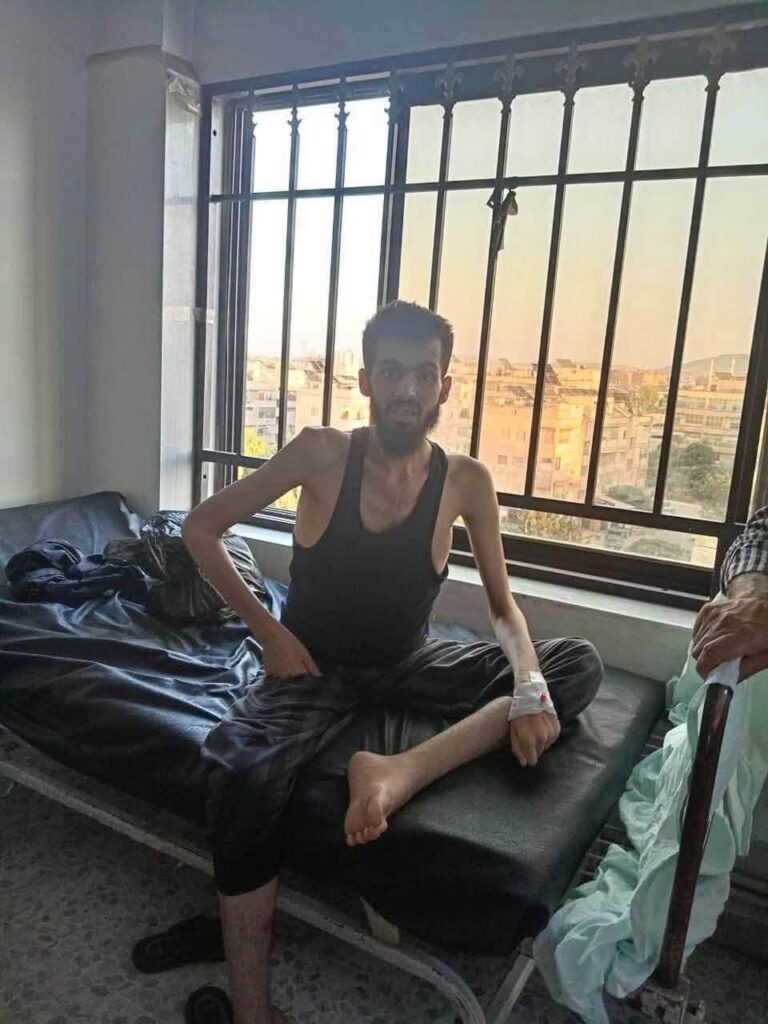
Local accounts stated that groups loyal to the authorities physically assaulted him and tore his placard before General Security personnel intervened, arrested him, and escorted him into the Government Complex. Local sources further reported that he is being detained in the building’s basement, with no official clarification regarding the grounds for his arrest, his place of detention, or his health status as of the time of this report.
Available information indicates that Abbas was subjected to physical assault during his apprehension. His family and monitors of the case lack any confirmed information regarding his fate, raising serious concerns of arbitrary detention or enforced disappearance, in violation of the right to liberty and security of person, and the rights to freedom of expression and peaceful assembly.
Background of the Batoul Alloush Case
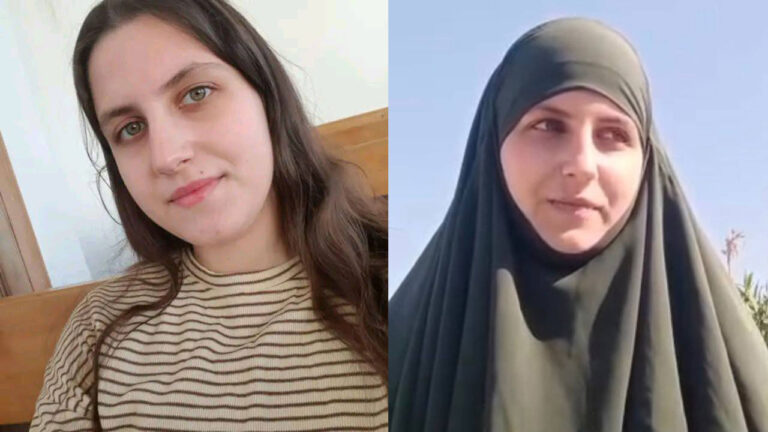
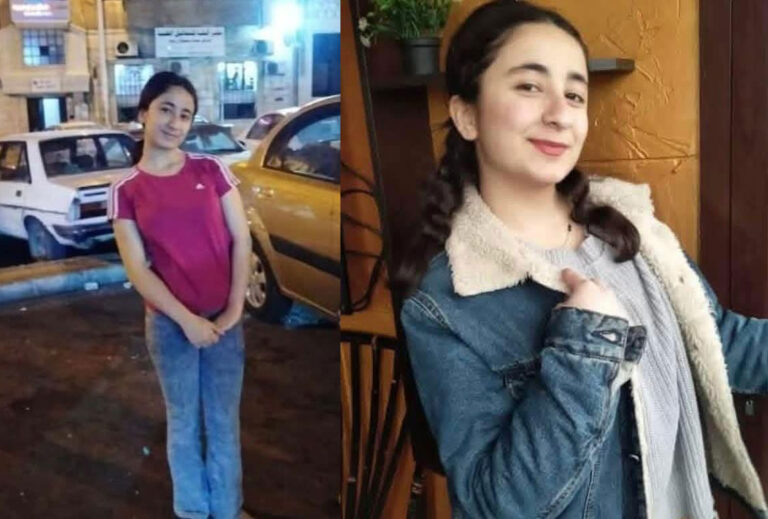
The case dates back to the disappearance of Batoul Suleiman Alloush, a student at the Medical Technical Institute at Tishreen University in Latakia, on Wednesday, April 29, 2026, while returning from university, according to her family’s testimony.
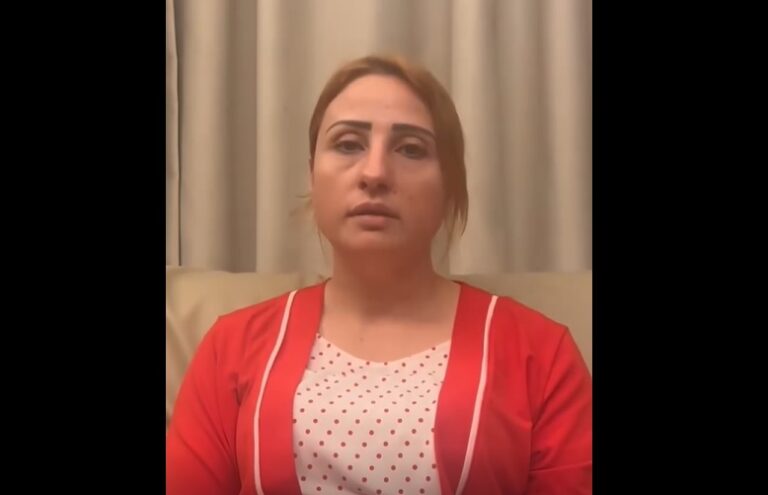
Since then, Batoul’s mother has continued her appeals to relevant authorities and human rights organizations to reveal her daughter’s fate and ensure the family’s protection, asserting that the family has become “targeted” due to their persistent pursuit of the truth.
On May 6, 2026, a message attributed to Batoul was circulated alongside a photo of her national ID. The message contained claims that she had left her home of her own volition, had “embraced Islam,” and had “emigrated for the sake of Allah,” according to the text circulated on social media platforms.
The message sparked a wide wave of controversy and skepticism. Family members and human rights activists argued that the phrasing and content bore a propagandistic and ideological character, inconsistent with the victim’s typical style or social environment.
Controversy further escalated after cleric Abdul-Razzaq al-Mahdi issued a fatwa (religious edict) stating that returning Batoul to her family is “not Sharia-permissible” if she had left home after “converting to Islam,” including recommendations against returning her to her kin and advising that she be provided with protection.
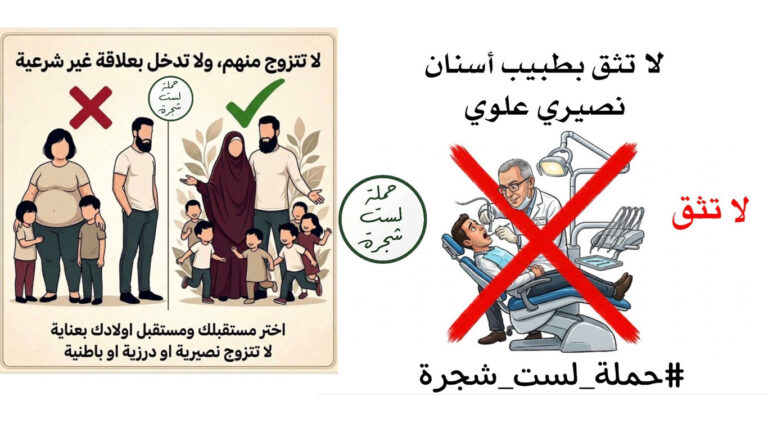
These statements have raised additional fears for the family and legal experts, who consider such discourse as contributing to sectarian incitement and the justification of her detention or disappearance under a religious cloak, thereby increasing the likelihood of the family facing threats and social targeting.
Live Stream Raises Questions Regarding Free Will
In a subsequent development, Batoul Alloush appeared inside the Government Complex in Jableh during a live broadcast lasting approximately half an hour in the early hours of Monday, May 11. Viewers noted a radical change in her appearance, as she was wearing a black niqab (face veil), prompting further questions regarding the circumstances of her appearance and the extent of her freedom to express her will.
Alawite community activists stated that portions of the broadcast were selectively edited and republished, noting that figures close to the authorities spoke on Batoul’s behalf during the stream, while her family was absent from the live appearance.
According to circulated testimonies, the girl’s father spoke in a previous recording about being deceived after he was asked to record a video confirming his daughter was “not kidnapped” in exchange for promises of her return—promises that were subsequently reneged upon.
Escalating Human Rights Concerns
The case of Batoul Alloush falls within a broader context of increasing reports of kidnapping, enforced disappearance, and arbitrary detention targeting civilians in Syria, particularly women and girls belonging to religious or sectarian minorities, amid deteriorating security conditions and the weakening of legal accountability mechanisms.
Rights Monitor platform maintains that the arrest of Dr. Nadeem Abbas following his peaceful solidarity represents a dangerous indicator of the shrinking space for freedom of expression and civic solidarity. It raises additional concerns regarding his physical and legal safety, especially given the absence of official information concerning his place of detention or current status.