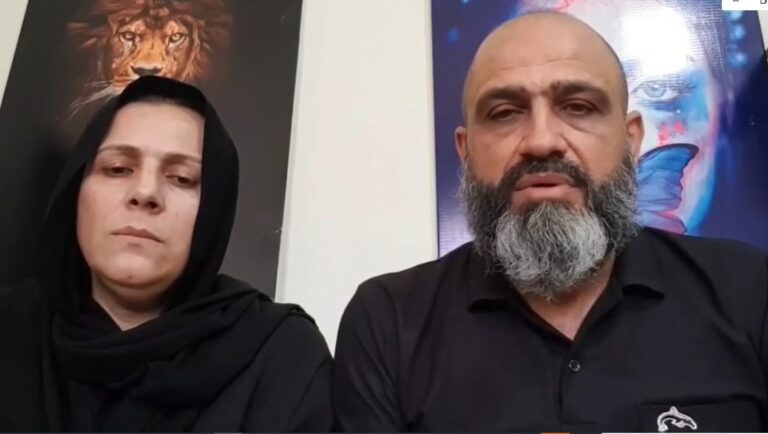
The fabrication of narratives against the detainee Ali Moayad Mahfoud stands out as a fundamental angle in examining the violations associated with recent arrest campaigns in Syria. Data published by official authorities reveals clear contradictions in their accounts, raising serious concerns regarding the credibility of the accusations and the integrity of the legal proceedings conducted against detainees.
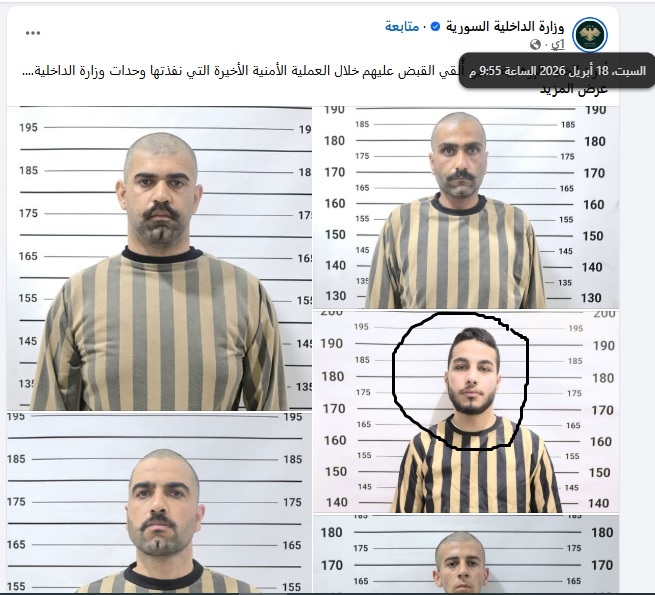
On April 18, 2026, the Syrian Ministry of Interior published a report claiming the arrest of a cell it described as “terrorist” during a security operation. However, a review of the published materials reveals that one of the individuals whose photo appeared in this report had previously appeared in another report on April 11, 2026, regarding the announcement of the dismantling of a different cell.
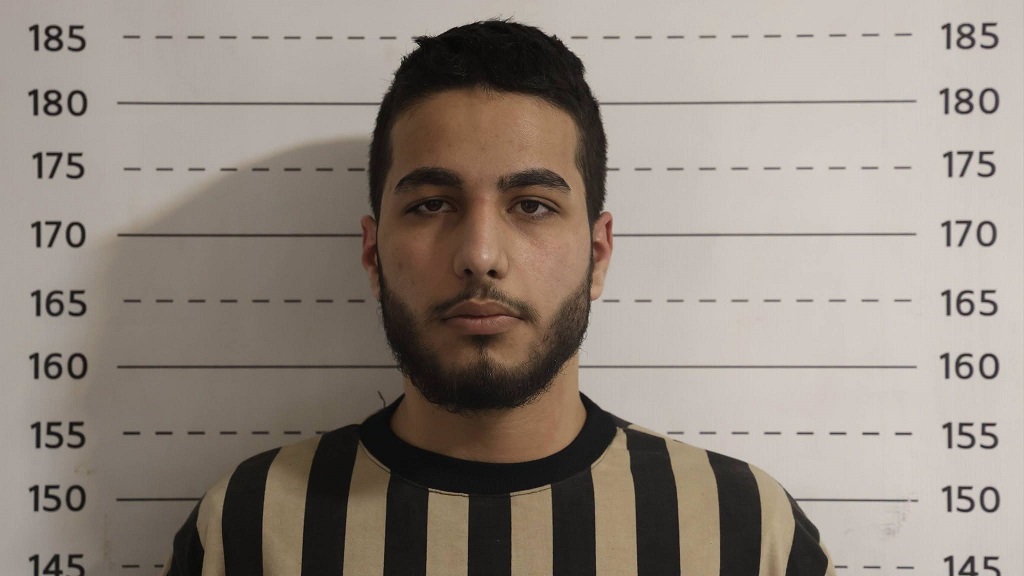
What is striking in both cases is that the same person—who later turned out to be the young man Ali Moayad Mahfoud (19 years old), from the village of Ain al-Kroom in the Sahl al-Ghab region—was presented with different specifications. His height was listed in the April 11 report as 185 cm, while it was adjusted to 195 cm in the April 18 report, without any official explanation for this discrepancy.
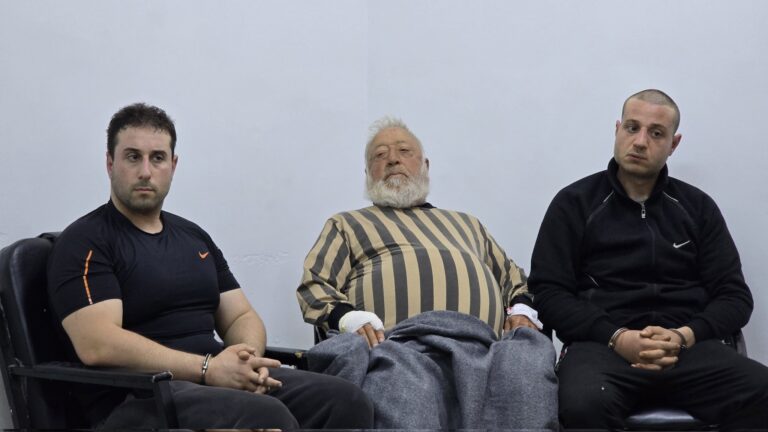
The published materials show that Ali Moayad Mahfoud’s photo was used twice in two different contexts. In the April 11 report, his photo was included among a group allegedly planning to target a “rabbi” in Damascus, without naming the detainees. In the April 18 report, his photo was republished with his name revealed, under different charges.
It was also noted that his appearance in the latter publication differs; he appeared unshaven (hair and beard), wearing different clothes, and against a background that does not match the backgrounds of the other detainees, which suggests the possibility that he was detained in a place separate from the rest of the group.
According to available information, Ali Moayad Mahfoud was arrested on April 2, 2026, from his village, Ain al-Kroom, accompanied by his father, who was later released. In contrast, data indicates that the rest of the detainees who appeared with him in the photos were arrested on April 7, 2026, from the village of Al-Khandaq in Sahl al-Ghab, reinforcing the hypothesis that there is no direct temporal or spatial link between them.
These facts show alarming indicators of potential fabrication or the repurposing of visual evidence in different contexts to support conflicting security narratives. Furthermore, changing basic personal information, such as height, and reusing photos without explanation raises questions about the accuracy of the investigations and the transparency of the procedures.
Additionally, shifting the charges against the young man from “attempted assassination” to “booby-trapping” within a short period, without providing clear evidence or a declared legal pathway, reflects a pattern of inconsistency that may amount to a violation of fair trial standards.
The available data indicates fundamental contradictions in the official narrative regarding the case of detainee Ali Moayad Mahfoud. This necessitates an independent and transparent investigation to ensure the respect of his legal rights and to uncover the circumstances of his arrest and the charges brought against him, in light of growing fears of the fabrication of cases and human rights violations.