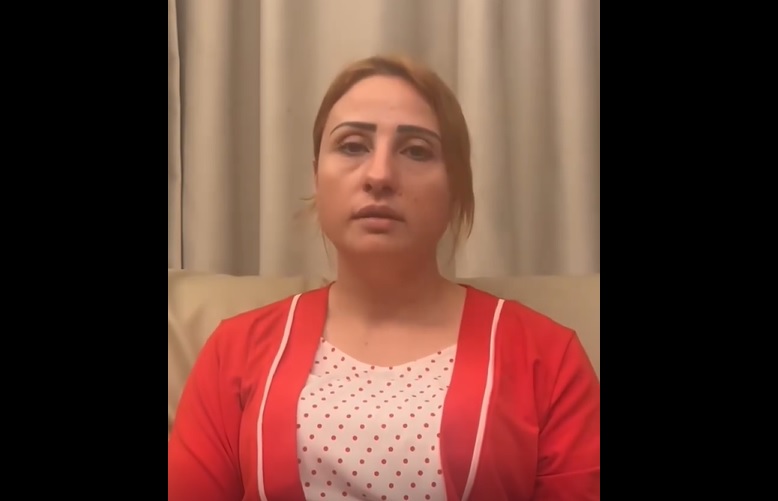
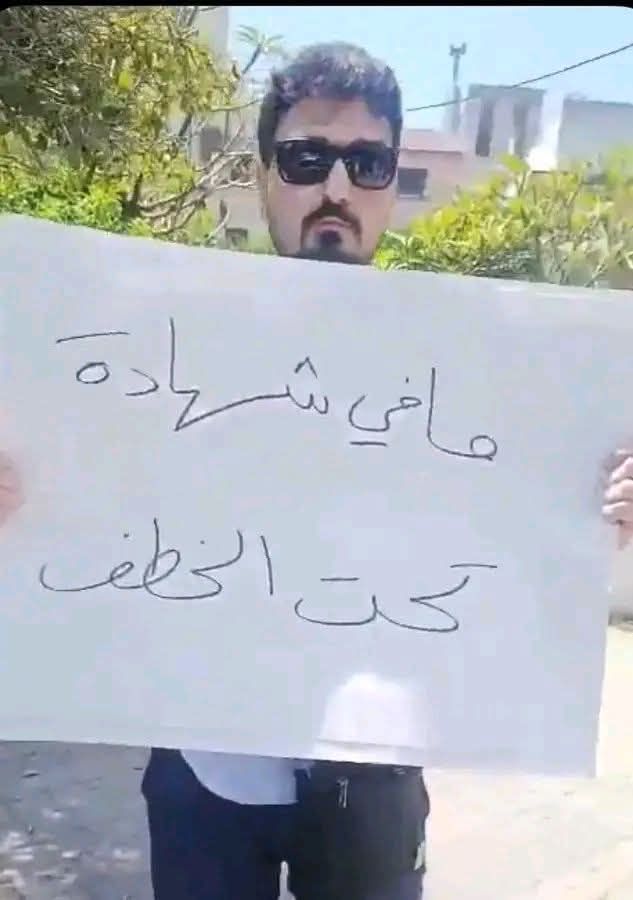
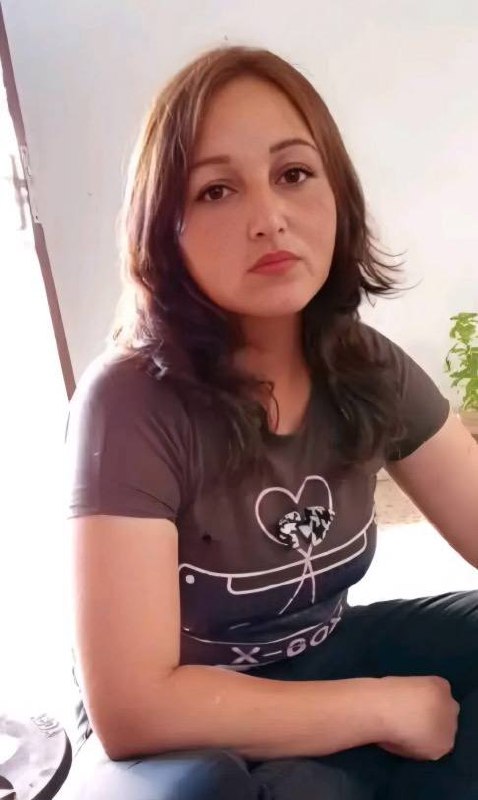
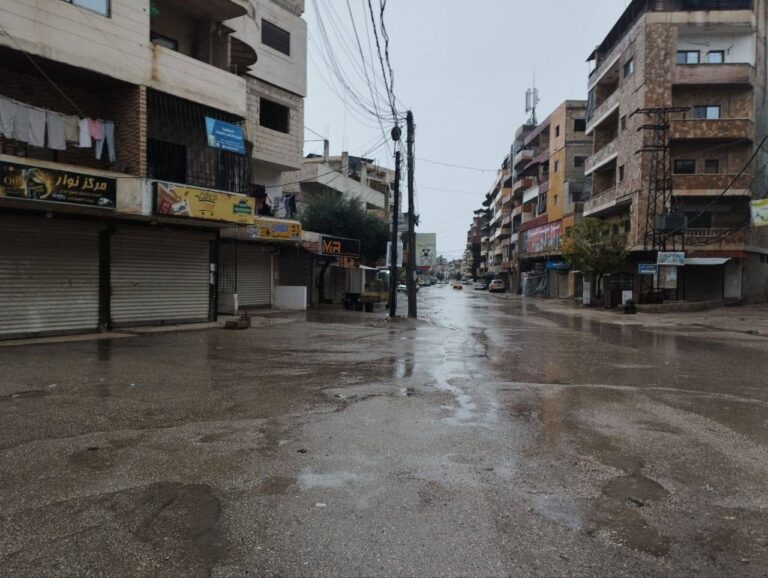
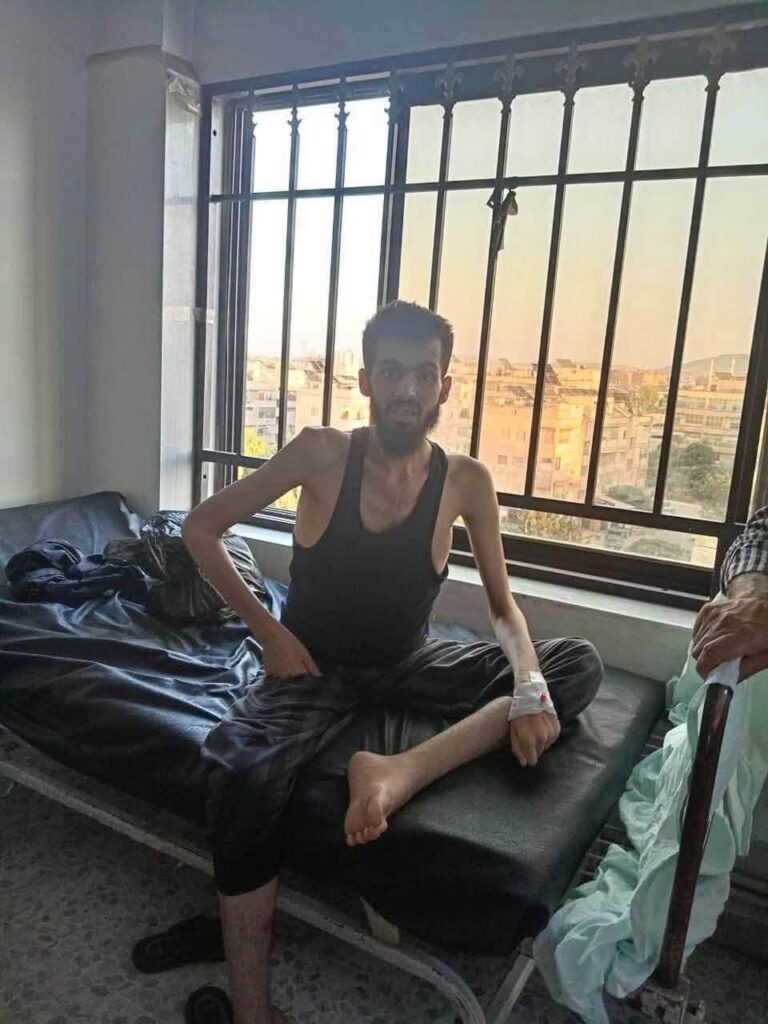
On July 8, 2026, the “Union of Syrian Alawites in Europe” documented a videotaped testimony of Ms. Walaa Al-Mahmoud, a widow from the countryside of Jableh who belongs to the Alawite sect. In her testimony, she stated that she was subjected to abduction, detention, and sexual assault during a period of detention that lasted for more than 45 days, accusing a security official in the Jableh area of being behind the violations she endured. Meanwhile, other sources circulated a counter-narrative denying the validity of these allegations, claiming that her detention was in connection with cases related to publishing and inciting strife.
According to the videotaped testimony published by the Union of Syrian Alawites in Europe, Walaa Al-Mahmoud stated that she was abducted on March 25, 2026, under security cover. She accused an individual whom she stated was known as “Sheikh Salah,” adding that she later learned—according to her account—that his real name is Haitham Ahmad Abbas.
Al-Mahmoud mentioned that the aforementioned individual frequently visited her village and attempted to approach her. She also indicated that one of her neighbors had a relationship with him and that he visited her constantly, according to her narrative. She added that she later received a visit from a member of the Public Security forces, who informed her of a security complaint against her and requested that she meet “Sheikh Salah” at a villa located in the Western Jbeibat area. However, she refused to go, believing that any official summons should be conducted through an official security agency or police station.
She reported that she left her home and sought refuge with one of her relatives in the countryside of Jableh, before receiving a phone call from a resident of her village requesting to meet her at the old garage for a matter described as urgent. She stated that she proceeded to the location, where she was surprised by elements of the Public Security who detained her and transported her to the aforementioned villa.
Al-Mahmoud added in her testimony that inside the villa, she saw three girls who—according to her description—showed signs of torture and violence, before she was detained for hours inside one of the rooms. She also stated that a security element insulted, cursed, and directed sectarian slurs at her, and that when she inquired about the reason for her detention, she was informed—according to her account—that there was no complaint against her, but rather that the person who requested her presence was “Sheikh Salah,” before she was transferred to another room.
The testimony also included allegations that Al-Mahmoud was subjected to repeated sexual assaults by “Sheikh Salah” during her period of detention.
The video sparked widespread engagement and demands for an independent investigation to uncover the circumstances of the case and to hold those responsible accountable should the violations be proven.
Conversely, accounts and activists circulated a different narrative questioning the validity of the allegations. According to this narrative, Walaa Al-Mahmoud had identified herself during the period following the fall of the regime as being from the city of Homs, belonging to the Sunni sect, and being the widow of an Alawite man.
The same narrative alleges that Al-Mahmoud later created fictitious accounts which she used to publish misleading information, and that she was detained in accordance with legal procedures on the background of posts related to inciting strife and defamation, and that she confessed to managing those accounts and pledged not to repeat the act. This narrative also claims that her allegations regarding abduction and assault have not yet been supported by documented evidence, maintaining that the adjudication of the case must be carried out through the competent judicial investigations.
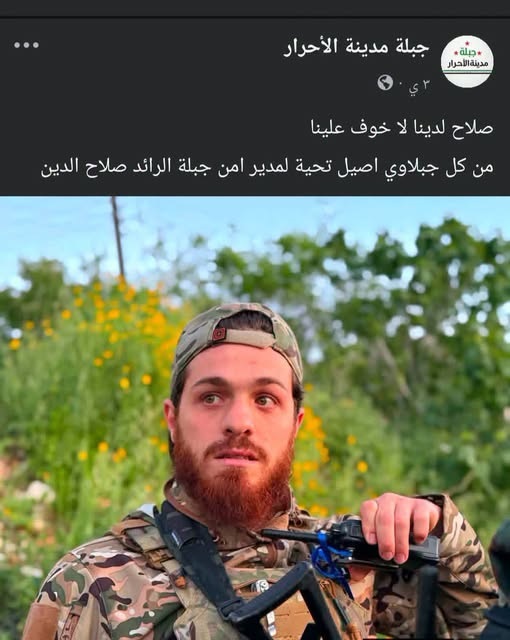
In a related context, social media platforms circulated posts in which some users praised the individual known as Haitham Ahmad Abbas, nicknamed “Sheikh Salah,” while other posts linked his name to accusations of abducting and assaulting Alawite women—allegations regarding which no final judicial ruling or official investigation results have been issued to date.
In light of the conflicting narratives circulated regarding the case, and the absence of official results or final judicial rulings up to the date of preparing this report, the allegations contained in the testimony of Walaa Al-Mahmoud, as well as the counter-narratives denying them, remain in need of an independent, impartial, and transparent investigation that ensures the revelation of the truth and the accountability of any official responsible for potential violations. International human rights standards emphasize the necessity of a prompt and effective investigation into all allegations of abduction, arbitrary detention, torture, and sexual violence, while providing protection for victims and witnesses and guaranteeing the right of all parties to a fair trial, thereby achieving justice and combating impunity.