Halab Today TV Publishes Post Containing Collective Accusations Against Alawite-Majority Neighborhoods Following Damascus Bombings, Amid Escalating Hate Speech and Incitement Against Minorities
Rights Monitor Syria, on Tuesday, July 7, 2026, an escalation in hate speech and incitement following the bombings that shook the Syrian capital, Damascus. This came after Halab Today TV published a poston its Facebook page containing generalized accusations and statements linking the bombings to specific neighborhoods and social components. This context has raised human rights concerns regarding the fueling of sectarian and political tensions and the increased risk of targeting civilians based on their identity.
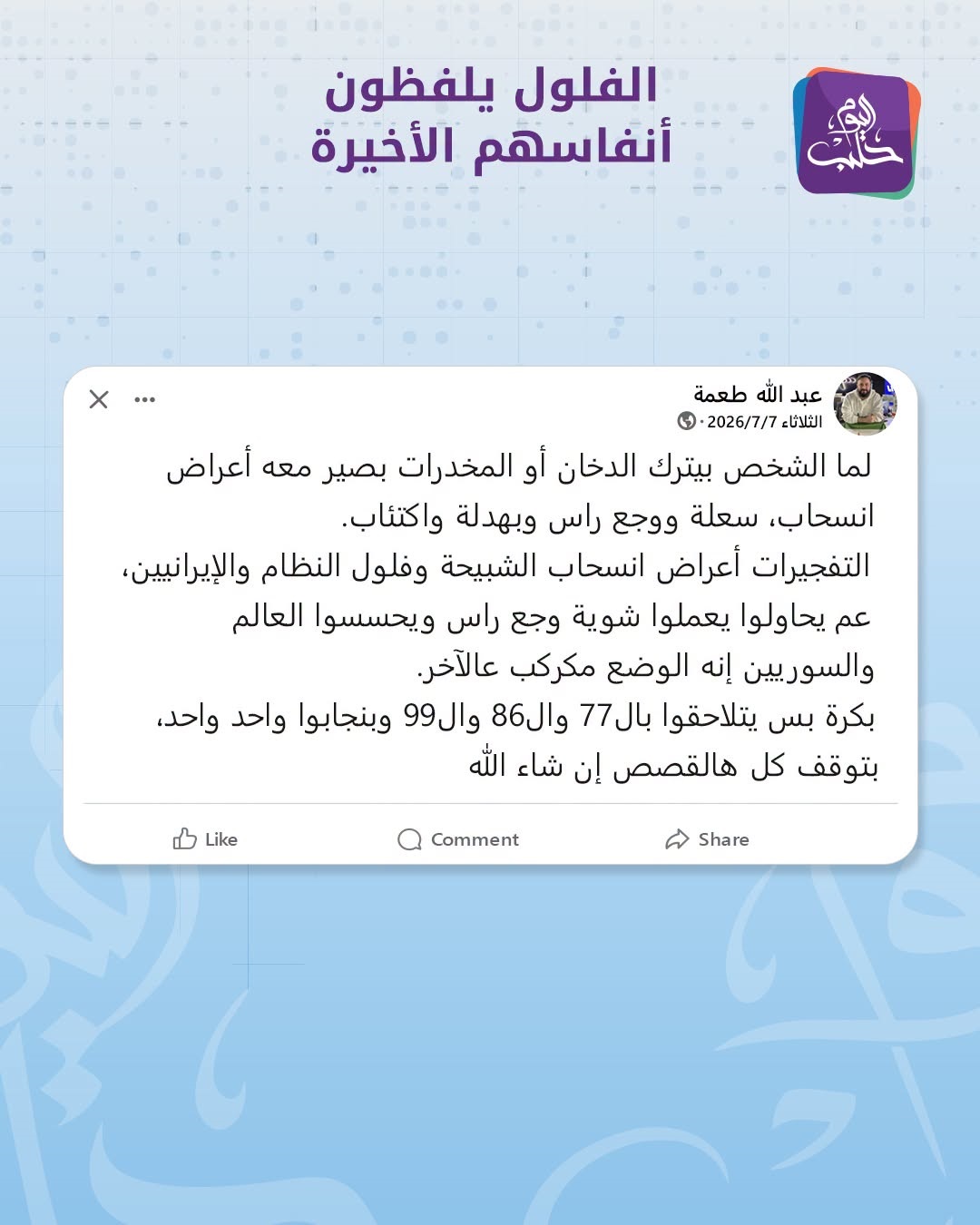
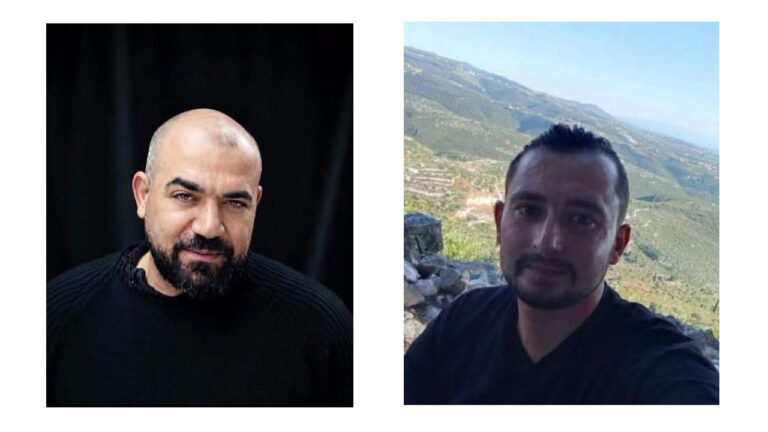
According to what was monitored, Halab Today TV—known for its proximity to the current Syrian authorities and its support for Turkish policies regarding the Syrian file—published a post containing a comment attributed to journalist Abdullah Toameh, which stated:
“The bombings are withdrawal symptoms of the Shabiha and remnants of the regime.”
The channel accompanied the statement with a question to its followers: “What do you think of journalist Abdullah Toameh’s comment?”. The post also accused what it described as the “Shabiha, remnants of the regime, and Iranians” of being responsible for the bombings, adding: “Tomorrow, when they are pursued in [neighborhoods] 77, 86, and 99, and brought in one by one, all of these matters will stop, God willing.” This is a clear reference to well-known neighborhoods in Damascus, including the Mezzeh 86 neighborhood, which is predominantly inhabited by members of the Alawite community.
Rights Monitor Syria considers that generalizing accusations against entire neighborhoods or population groups based on sectarian or political affiliation, and linking them to acts of violence or terrorist attacks without the results of announced judicial investigations, constitutes discourse that may amount to incitement and hate speech. This is particularly critical given an environment experiencing security tensions and extrajudicial killings that have, over the past months, targeted individuals based on their identity or perceived affiliation with the former regime.
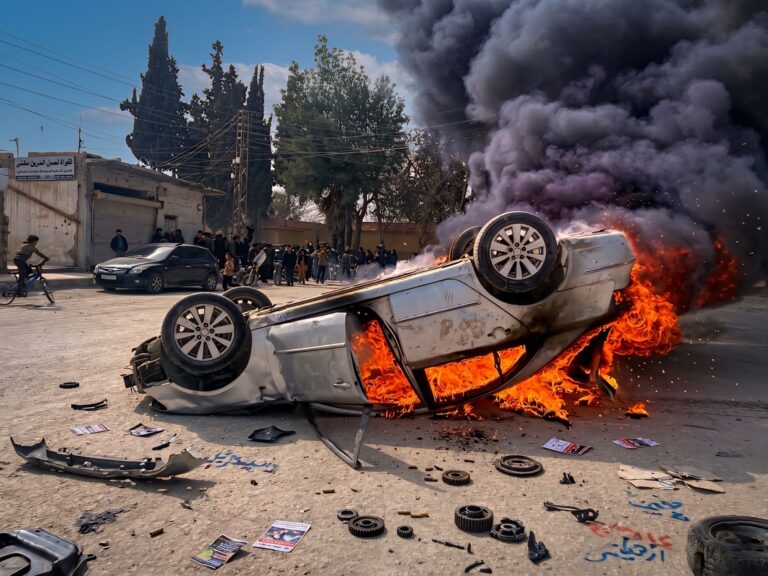
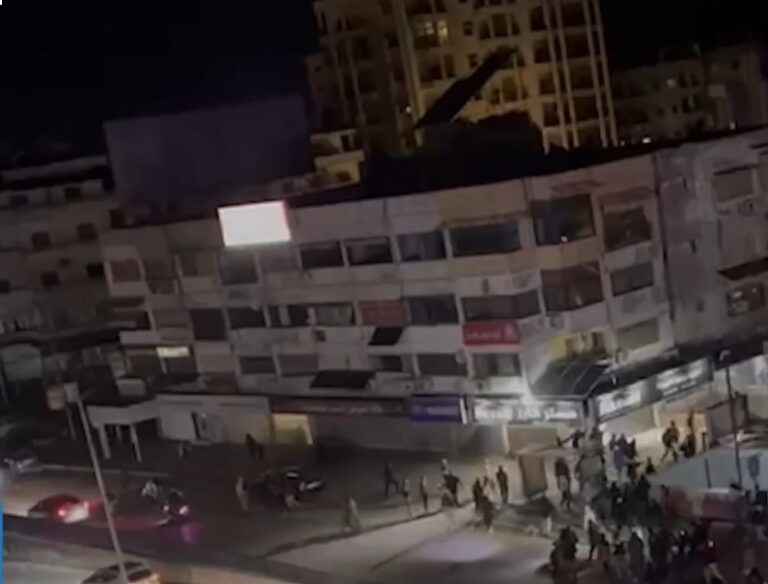
This comes in the wake of two bombings that shook the capital, Damascus, on Tuesday, July 7, 2026, where two improvised explosive devices (IEDs) exploded near the hotel where French President Emmanuel Macron was staying. According to preliminary information, the explosions resulted in the death of one person and the injury of more than thirty others, including four police officers.
The French President had begun a visit to Damascus on Monday evening, marking the first visit by a European president to Syria since Ahmed al-Sharaa assumed power in late 2024 following the ousting of the former president Bashar al-Assad’s regime.
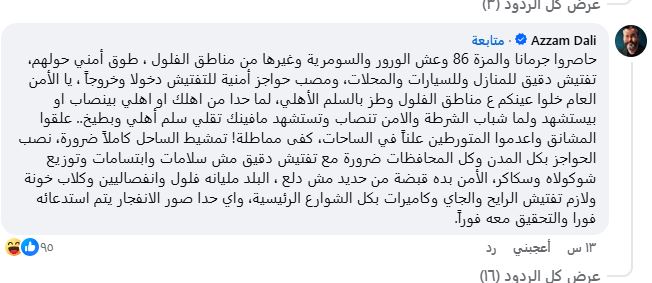
Following the bombings, numerous posts circulated on social media platforms containing accusations and incitement against Syrian components, particularly members of the Alawite community and Kurds, without relying on the results of official investigations. Furthermore, accounts loyal to the current authority circulated narratives holding specific groups responsible for the bombings based on identity or political affiliation, raising fears of escalating hate speech and incitement against Syrian minorities.
In this context, Rights Monitor Syria emphasizes that assigning criminal liability to entire social or sectarian components, or implying the necessity of pursuing residents of specific neighborhoods, contradicts the principles of individual criminal responsibility. It creates a fertile environment for incitement to discrimination and violence, and may contribute to justifying or encouraging assaults and extrajudicial killings against civilians.
International human rights standards also affirm that freedom of expression does not extend to discourse that incites discrimination, hostility, or violence against protected groups based on their national, ethnic, religious, or sectarian identity. Furthermore, media outlets and public platforms must avoid publishing content that generalizes accusations or fuels societal divisions, especially during periods of crises and armed conflicts.
This incident occurs within a broader context of escalating hate speech in Syria following security events. Rights Monitor Syria warns that the continued circulation of collective accusations against minorities, and linking them to acts of violence without evidence or judicial proceedings, could increase the risk of violations against civilians and undermine opportunities for protecting fundamental rights and the rule of law.