Appeal by the Mother of Batoul Suleiman Alloush for Protection Following Her Daughter’s Disappearance in Latakia Amid Escalating Fears of Enforced Disappearance and Targeting of Minorities
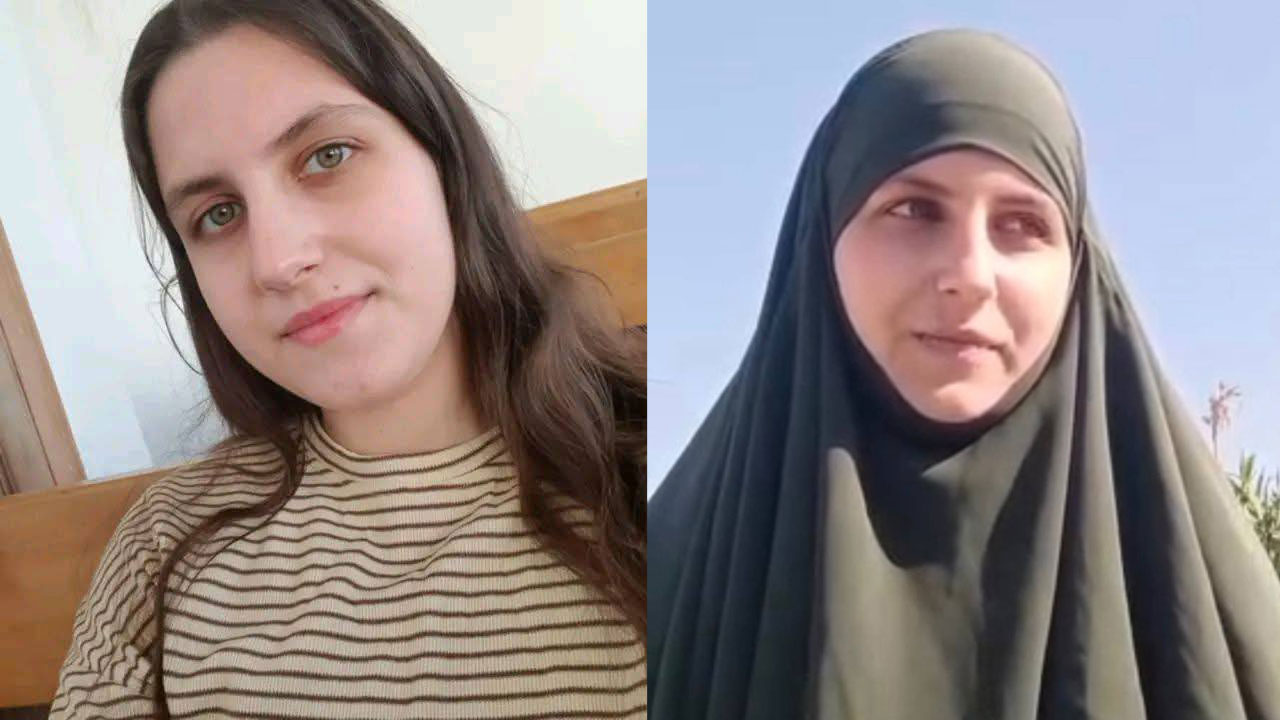
The mother of the young Syrian woman, Batoul Suleiman Alloush, a member of the Alawite community, continues her appeals to relevant authorities and human rights organizations to provide protection for herself and her family following her daughter’s disappearance in the Latakia Governorate. This comes amid growing fears that she has been subjected to abduction and enforced disappearance, fueled by escalating inciting discourse and religious justifications linked to the case.
In circulated recordings and appeals, Batoul’s mother stated that the family has become “known and targeted” due to their persistent demands to reveal her daughter’s fate. She added: “The whole world is now aware of our case; it is an issue of Sabi (concubinage/captivity).” She demanded protection for herself, her husband, and her young daughter, emphasizing that the family will not abandon their pursuit of the missing girl.
According to the family’s testimony, contact was lost with Batoul Suleiman Alloush, a student at the Medical Technical Institute at Tishreen University in Latakia, on Wednesday, April 29, 2026, while she was returning from the university.
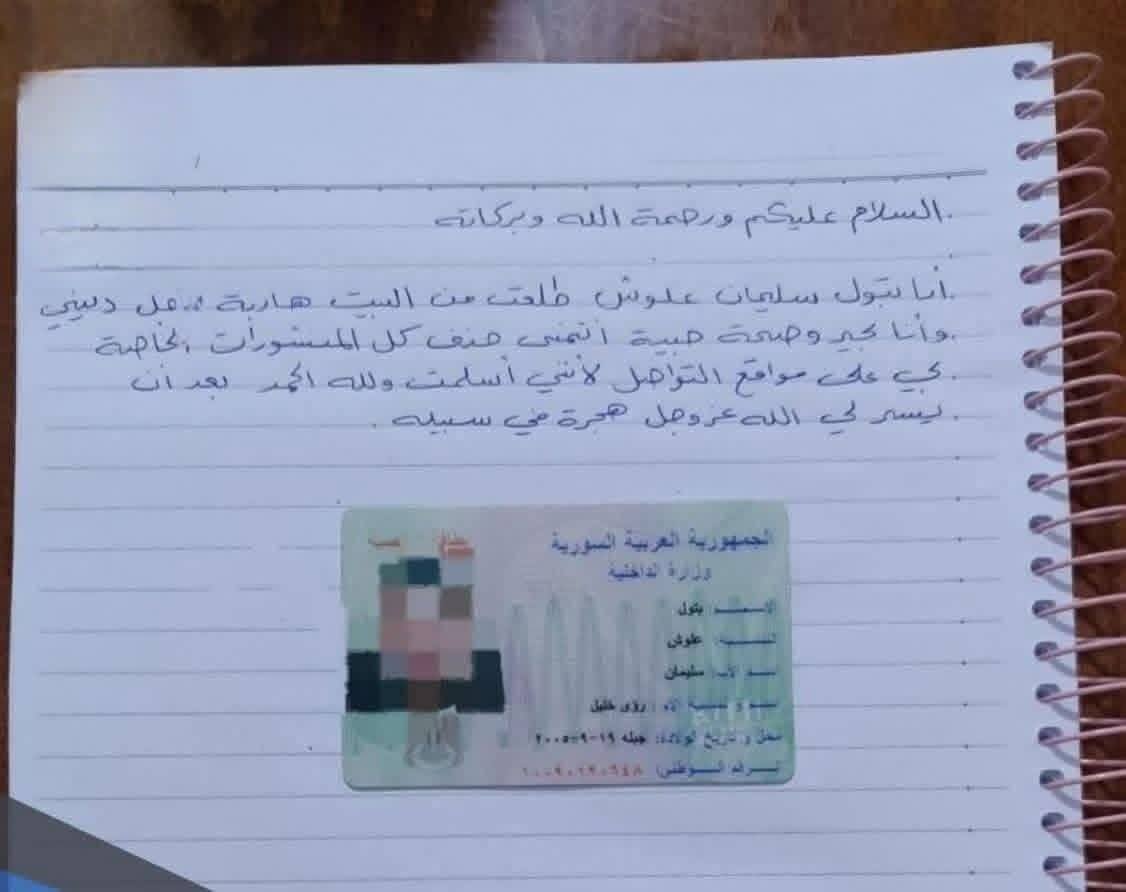
On May 6, 2026, a message attributed to Batoul was circulated, accompanied by a photo of her national ID card, days after her disappearance. The message contained claims that she was “fine” and had left her home of her own volition for the sake of “her religion.” It also stated that she had “converted to Islam” and migrated “for the sake of Allah,” according to the circulated text.
The message sparked widespread controversy on social media platforms, particularly as family members and human rights activists questioned the circumstances of its writing. They argued that its content bears a propagandistic and extremist ideological character, containing phrases and formulations inconsistent with the victim’s style or her social and sectarian background, according to activists following the case.
The controversy further escalated following the publication of a fatwa (religious edict) by the preacher Abdul Razzaq al-Mahdi regarding Batoul Alloush’s case. He asserted that returning her to her family is “sharia-prohibited” if she left her home after “converting to Islam,” based on extremist religious interpretations. The fatwa included direct accusations against the girl’s father and maintained that “officials” must secure her protection and not return her to her kin.
These statements have heightened the fears of the young woman’s family, who consider such discourse as contributing to incitement and the justification of their daughter’s detention or disappearance under a religious cover, further exposing the family to threats and societal targeting.
According to the monitoring conducted by the Rights Monitor platform, Batoul’s case falls within a broader context of increasing reports concerning cases of abduction, enforced disappearance, and arbitrary detention targeting civilians in Syria. This is particularly prevalent among women and girls belonging to religious or sectarian minorities, amidst deteriorating security conditions and the weakening of accountability mechanisms and legal protection.
The platform views these incidents as reflecting a disturbing pattern of gross human rights violations, including abduction, enforced disappearance, threats, and sectarian incitement. This constitutes a direct violation of the right to liberty and security of person and exacerbates the vulnerability of women, children, and the elderly, especially within environments affected by conflict and sectarian divisions.