Documentation of the Vandalism of the “Sheikh Muhammad al-Maghribi” Alawite Religious Shrine in Rural Hama Amid Escalating Violations Against Places of Worship in Syria
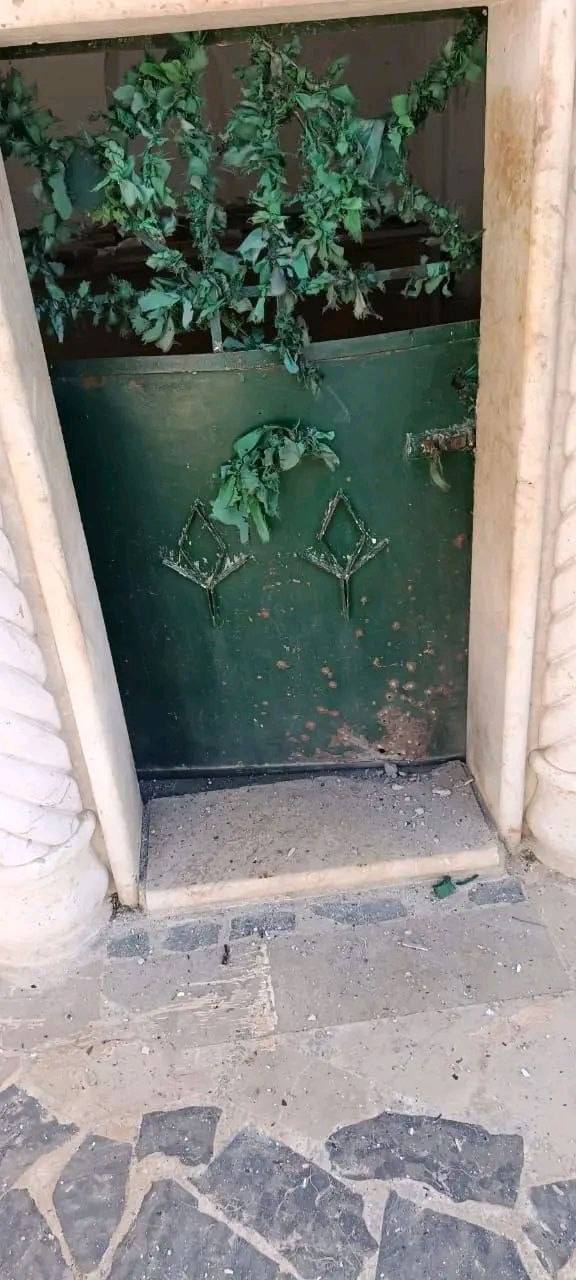
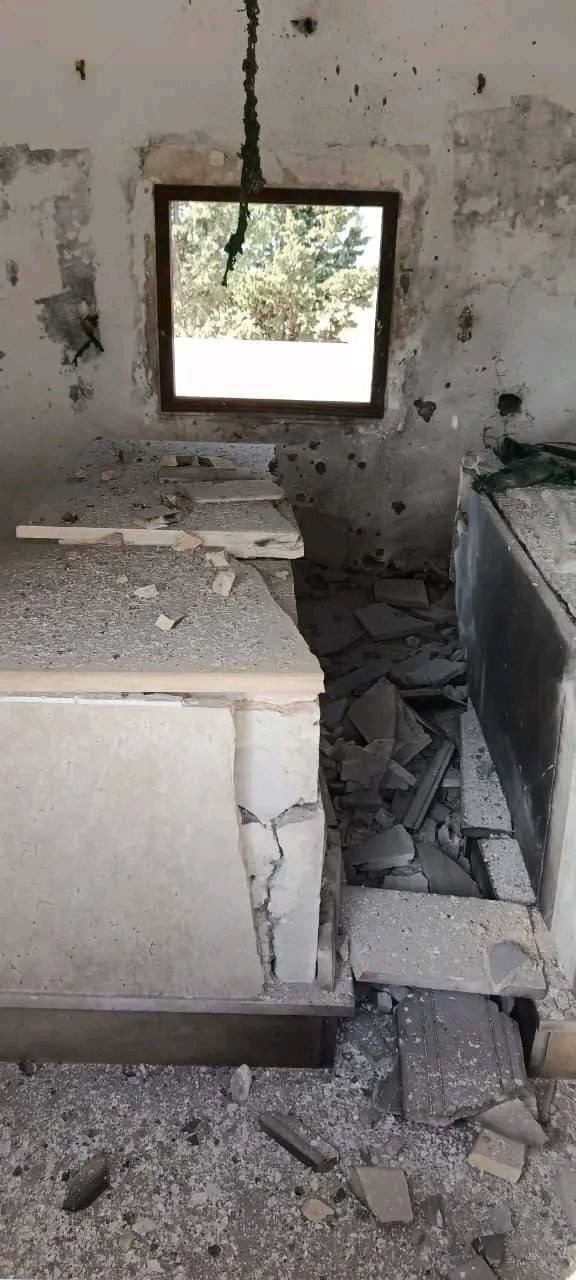
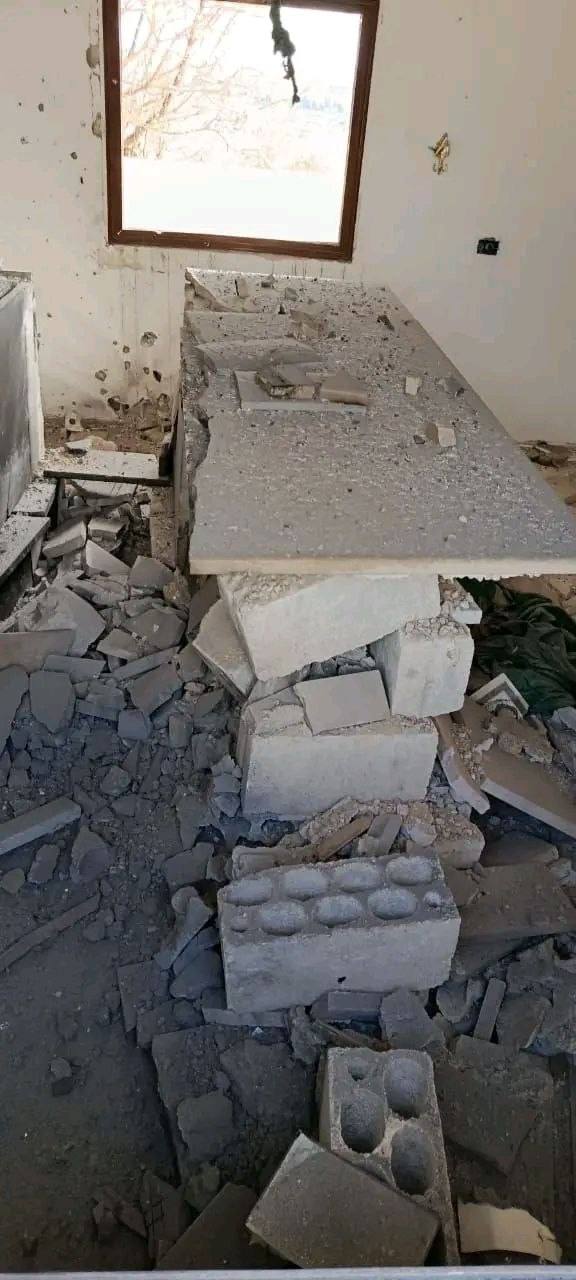
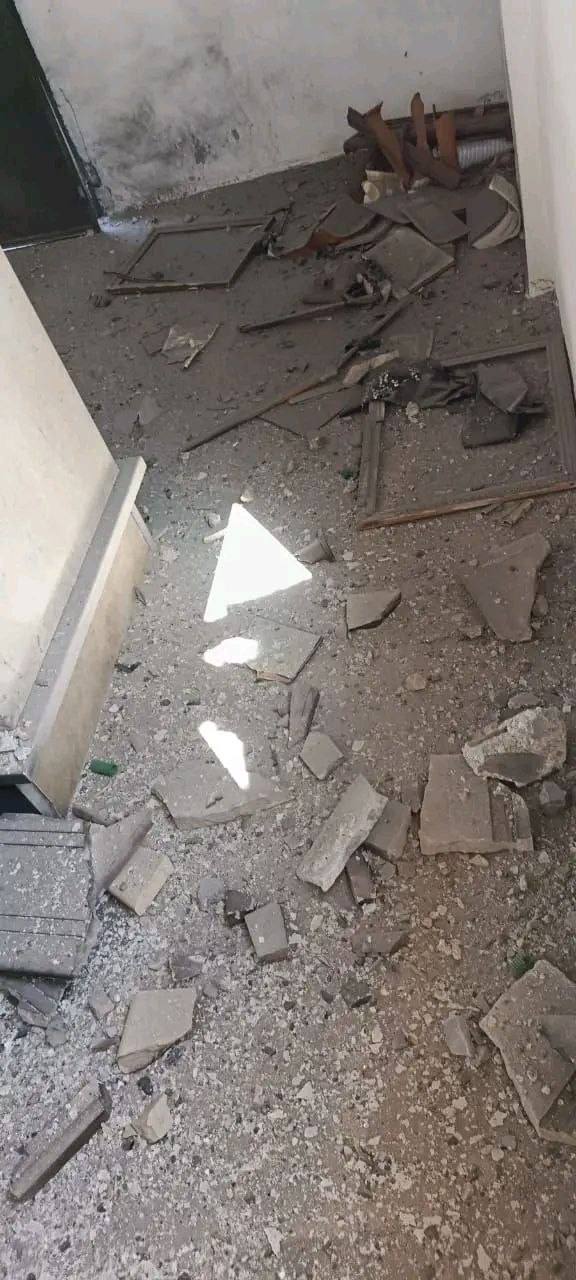
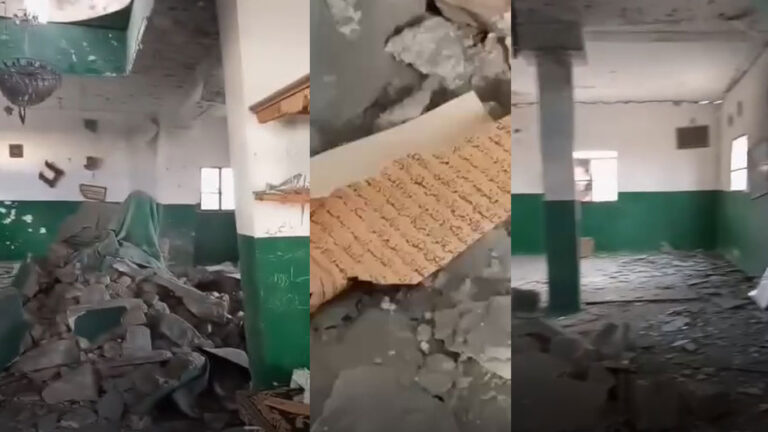
On March 21, 2026, an extremist group vandalized an Alawite religious shrine known as “Sheikh Muhammad al-Maghribi,” located in the village of Asilah in the Masyaf district of Hama Governorate. This incident occurred within a rising context of violations targeting religious shrines and freedom of belief across various regions of Syria, amid growing fears among local residents regarding continued assaults on places of worship and the subsequent threat to civil peace.
This shrine is considered a prominent religious and historical site for members of the Alawite community and local residents, making the attack an act with direct religious and social impact on the local community.
This incident is part of a recurring pattern of attacks on Alawite religious shrines, which have escalated since December 8, 2024, following the change of authority in the country.
According to available information, these attacks reached their peak during the “Coast Massacres,” where large-scale acts of violence targeted members of the Alawite community. Incidents of shrine vandalism recur periodically, including the throwing of grenades, the desecration of graves, or the burning of shrines in multiple areas where the community is present.
The attacks are not limited to Alawite shrines; reports indicate that religious shrines belonging to the Druze community were subjected to similar assaults—including vandalism, arson, and bombings—during the massacres of July 2025. Furthermore, other attacks on churches have been documented in several Syrian regions.
During the current month of March, Latakia Governorate witnessed additional incidents reflecting a concerning pattern of violations against religious sites. On March 15, 2026, local residents reported that the “Maqamat Bani Hashim” area in the Qardaha Mountains was converted into a closed military zone by forces affiliated with the interim authority, with civilians being prohibited from accessing the religious site. Local sources also noted the presence of Turkish military forces in the vicinity of the area, who installed surveillance and eavesdropping equipment, exploiting the high and strategic geographical location of the site.
In a separate incident on March 11, 2026, the shrine of “Sayyidna al-Khidr (Abu al-Abbas)” in the town of Damsarkho, rural Latakia, was subjected to excavation and vandalism by unidentified individuals, sparking a wave of resentment among local residents.
These events indicate an escalating pattern of violations affecting freedom of religion and belief, including:
Assaults on places of worship and religious shrines.
Denial of access to religious sites.
The conversion of sites of a religious nature for military use.
These practices constitute a violation of fundamental human rights, including the right to freedom of religion and belief, and the right of individuals and groups to practice their religious rituals without interference or discrimination.
These incidents highlight the urgent need for immediate measures to protect religious sites in Syria, ensure respect for the sanctity of places of worship, and prevent their use for military purposes or their targeting with acts of vandalism, given the direct impact of such actions on civil peace and coexistence among the components of society.