The Governor of Raqqa, Abdul Rahman Salama, has issued directives to the municipality to evict and demolish dozens of homes and properties belonging to Kurdish families in the Al-Andalus neighborhood, extending to the Hazima Circle, under the pretext of urban rezoning. These families were granted a limited grace period to evacuate before demolition operations commence—a move that has sparked widespread alarm among residents and raised concerns regarding its implications for the city’s demographic composition and property rights.
Local sources reported that machinery belonging to the Raqqa Municipality has already begun executing evictions and demolitions affecting residential buildings owned by citizens of the Kurdish community, citing that these structures are located within “informal zones” not included in the master organizational plan. Estimates indicate that over 90% of the residents in the targeted neighborhood are Kurds, reinforcing fears of collective targeting based on national identity.
According to sources, relevant authorities have marked a large number of houses and shops for removal without providing adequate clarification regarding the legal basis for these measures. Conversely, several residents asserted that the targeted properties were purchased legally; however, local authorities refuse to recognize their documentation.
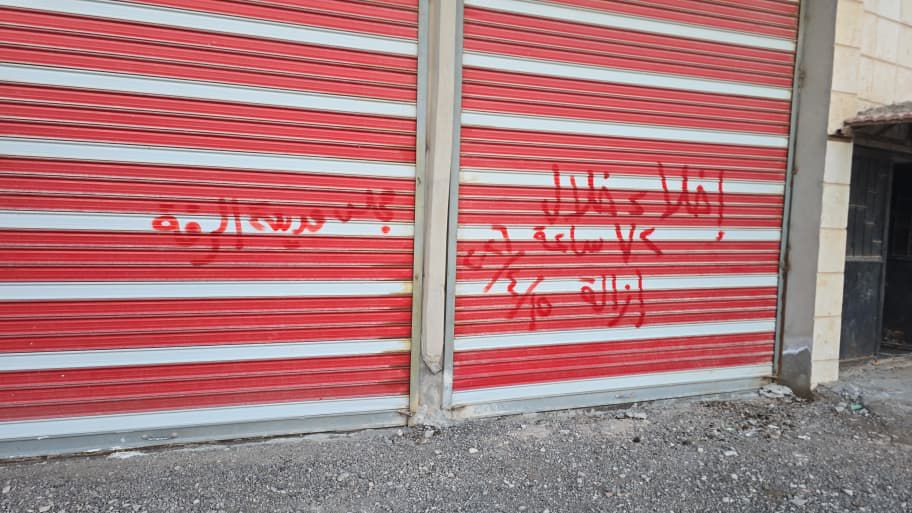
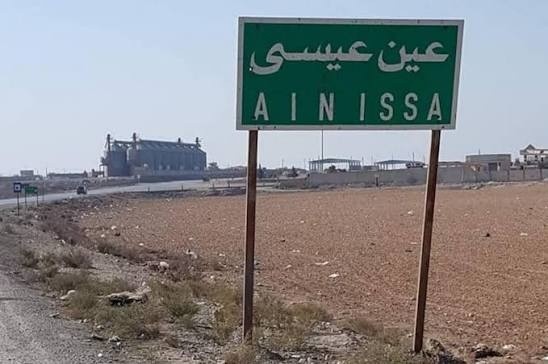
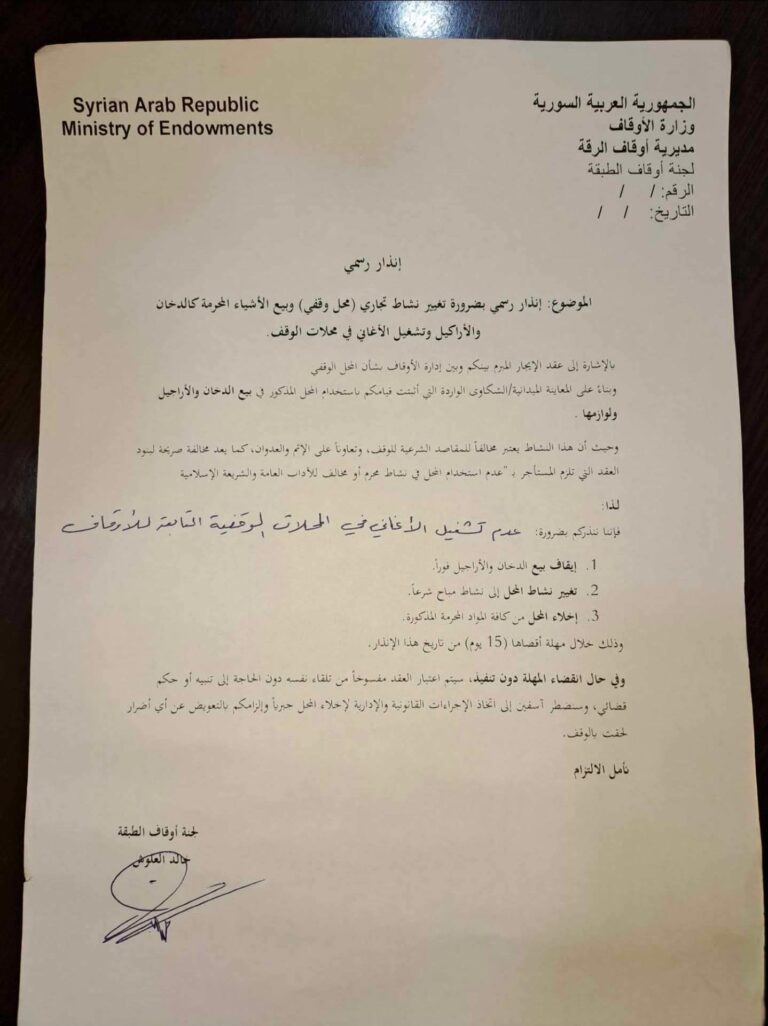
These developments follow the takeover of Raqqa by the “provisional authority” in January 2026. They coincide with the issuance of other eviction notices targeting commercial shops owned by Kurdish citizens in various areas of Raqqa and its countryside, particularly in the town of Ain Issa.
Furthermore, information suggests that these measures may be paving the way for investment projects in the region, including a project reportedly intended for a foreign investor, occurring simultaneously with the offering of investment opportunities in the vicinity of the Hazima Circle.
In a related context, local sources reported that at least five homes—owned by Kurdish citizens displaced during recent hostilities—were confiscated by Public Security Forces affiliated with the provisional authority. Confiscations also targeted the properties of dozens of families without official declaration of legal justifications, provoking a state of anger and anxiety among the populace.
Observers believe these measures may contribute to altering the city’s demographic structure amidst an escalation of hate speech and incitement against the Kurdish community across certain media platforms and public gatherings. Reports also indicate that Kurdish residents in Ain Issa have been subjected to threats and assaults by armed groups linked to tribes that shifted their allegiance to the new authority.
Activists warn of a potential escalation in tensions between local communities in the absence of effective civilian protection mechanisms, which threatens civil peace in a region already suffering from security fragility.
In this context, residents and activists in Raqqa have called for a protest sit-in at the Hazima Circle to reject the eviction and demolition orders, demanding their annulment and the cessation of measures infringing upon property rights. They further emphasized the necessity of intervention by relevant stakeholders to ensure the protection of civilians and their property, and to create conditions conducive to the return of displaced persons.
These developments reflect a disturbing pattern of measures infringing upon housing and property rights, with indicators of targeting a specific community in the absence of legal transparency. This underscores the need for an independent investigation to ensure respect for human rights and to prevent any practices that may lead to forced demographic changes or exacerbate societal division in Raqqa.