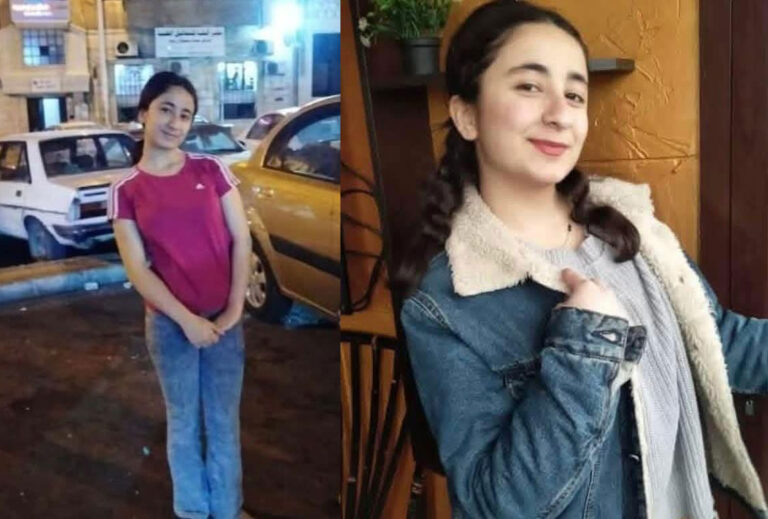
The minor girl, Zeinab Ali Al-Saddam (15 years old), who hails from the Shiite sect, was released on the evening of May 14, 2026, from Homs Central Prison in western Syria. This comes days after her detention by the General Security, following her discovery in a deteriorated health condition after being abducted for 45 days in the western countryside of Homs.
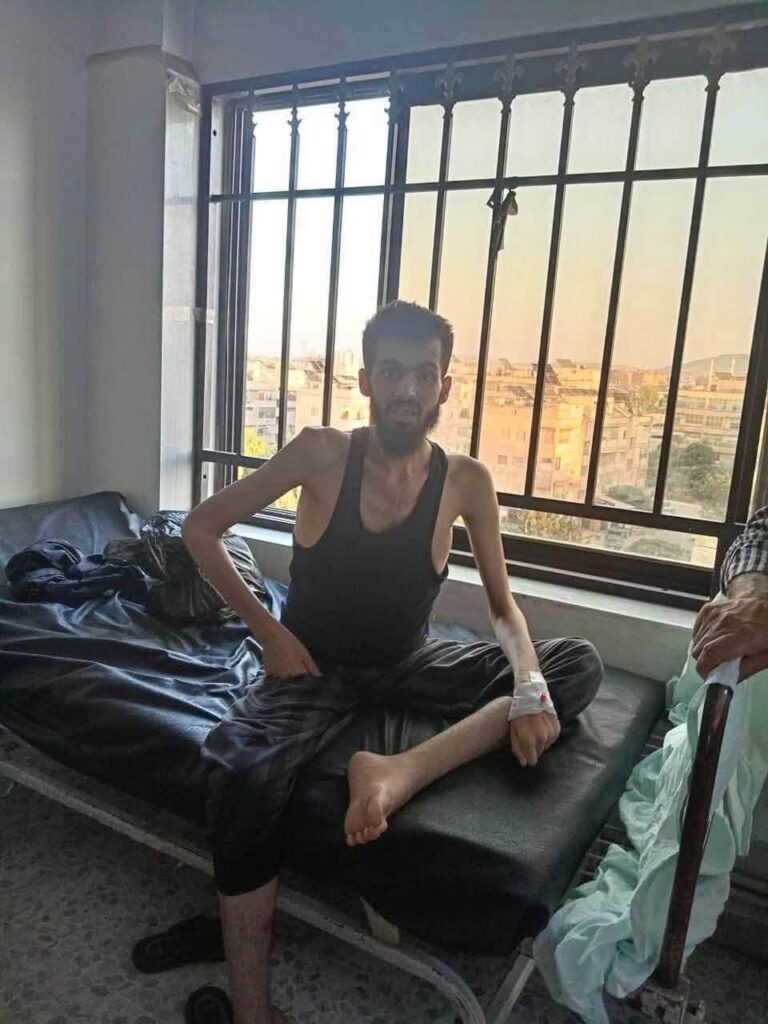
According to local sources, Zeinab had been abducted on March 14, 2026, from her village of Al-Ghour Al-Gharbiya in the western countryside of Homs, before her father paid a financial ransom to the abductors in exchange for her release. On April 30, 2026, the girl was found abandoned on the roadside in an extremely poor health condition, resulting from what was reported as torture and assaults she was subjected to during the period of her abduction.
According to available information, Zeinab was transferred to Homs Central Hospital to receive medical treatment. However, the General Security subsequently arrested her and transferred her to Al-Waer Police Station, before referring her to Homs Central Prison. Following escalating public demands on social media platforms calling for her release, she was set free on the evening of May 14, 2026.
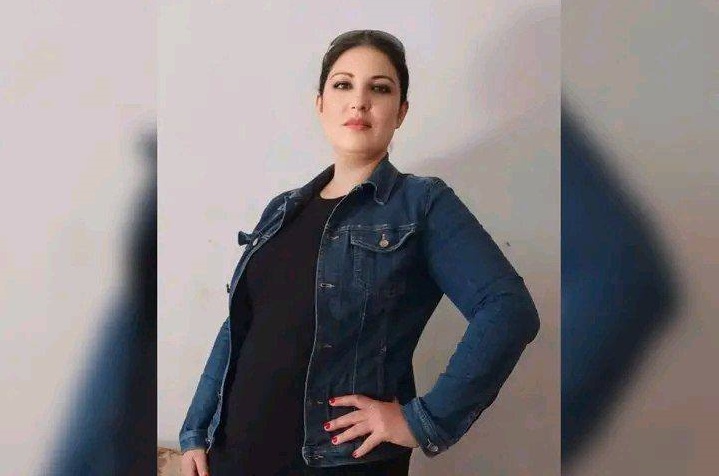
In another incident raising identical concerns regarding the safety of women belonging to religious and sectarian minorities, the case of the young woman, Batoul Suleiman Alloush—who belongs to the Alawite sect and is a student at the Medical Technical Institute at Tishreen University in Latakia—continues to stir Syrian public opinion since her disappearance on Wednesday, April 29, 2026, while returning from the university, according to her family’s statement.
Since Batoul’s disappearance, her mother has continued to appeal to the relevant authorities and human rights organizations, demanding the disclosure of her daughter’s fate and ensuring her protection, noting that the family has become “targeted” due to their ongoing demand for the truth.
In a subsequent development, Batoul Alloush appeared in a live broadcast from inside the government complex in the city of Jableh at dawn on Monday, May 11, 2026, which lasted for approximately half an hour. Her appearance sparked widespread controversy after a significant change in her appearance was observed, including her wearing a black khimar (face veil), which prompted followers to question the circumstances of her appearance and whether she was fully exercising her free will.
The controversy further escalated following the publication of a fatwa (religious edict) by the preacher Abdul-Razzaq Al-Mahdi, in which he deemed that returning Batoul to her family “is not permissible under Sharia law” if she had left her home after “converting to Islam,” including calls not to return her to her relatives and to secure protection for her. This has drawn human rights criticism and concerns regarding the impact of such statements on the young woman’s safety and the rights of her family.
These incidents occur amidst escalating fears of targeting civilians, particularly women belonging to religious or sectarian minorities, through acts of abduction, enforced disappearance, and arbitrary detention, constituting a direct threat to the right to liberty and security of person.
These events underscore the urgent need for immediate action by the relevant authorities to disclose the fate of the victims, ensure their physical and psychological safety, and hold those responsible for the perpetrated violations accountable, in alignment with human rights principles and international laws relevant to the protection of civilians and the prevention of impunity.