Syria Rights Monitor: Armed Mobilization in the Name of Tribes in Hasakah and Incitement Against Kurds Signal a Dangerous Escalation Threatening Civil Peace
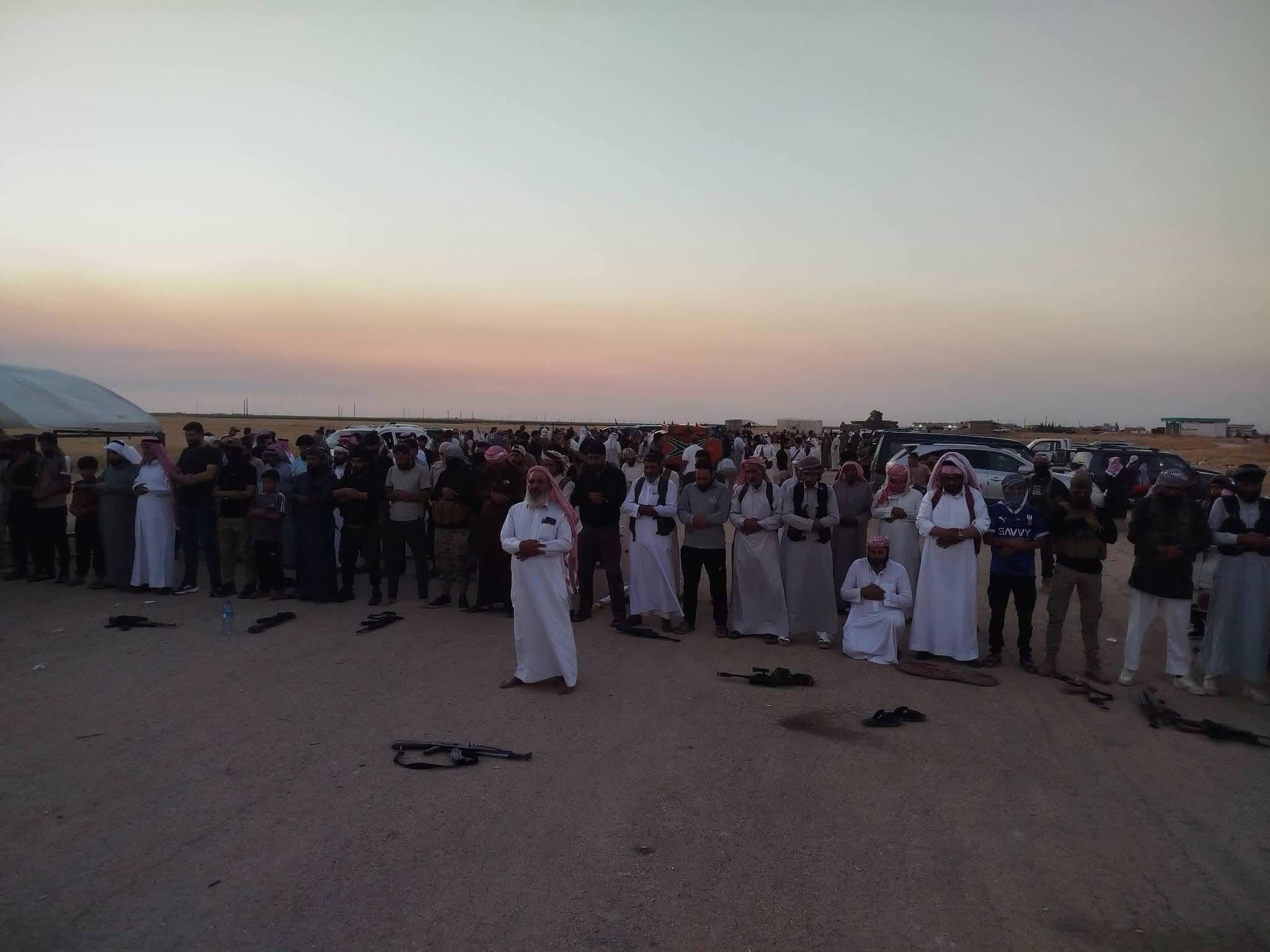
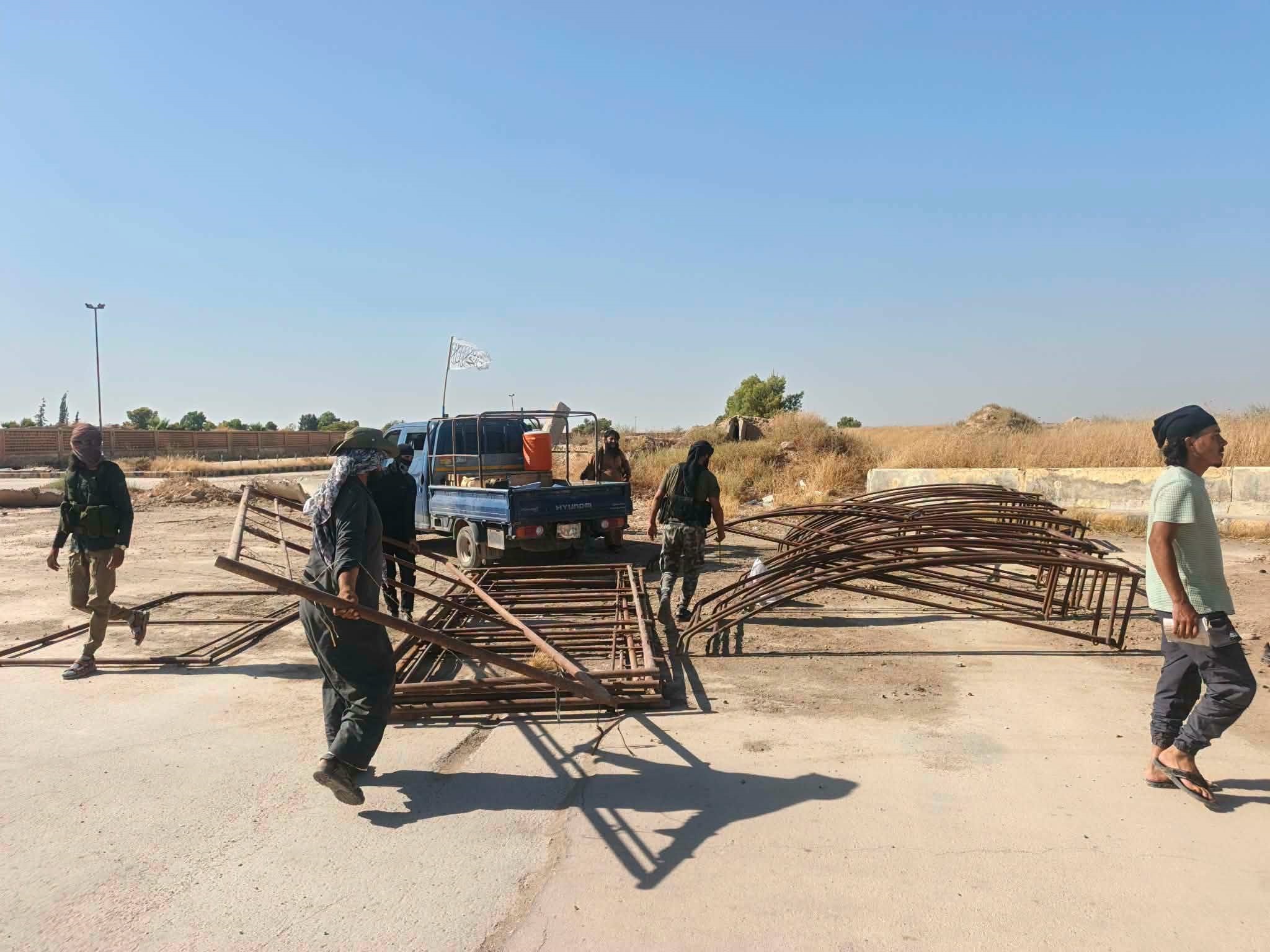
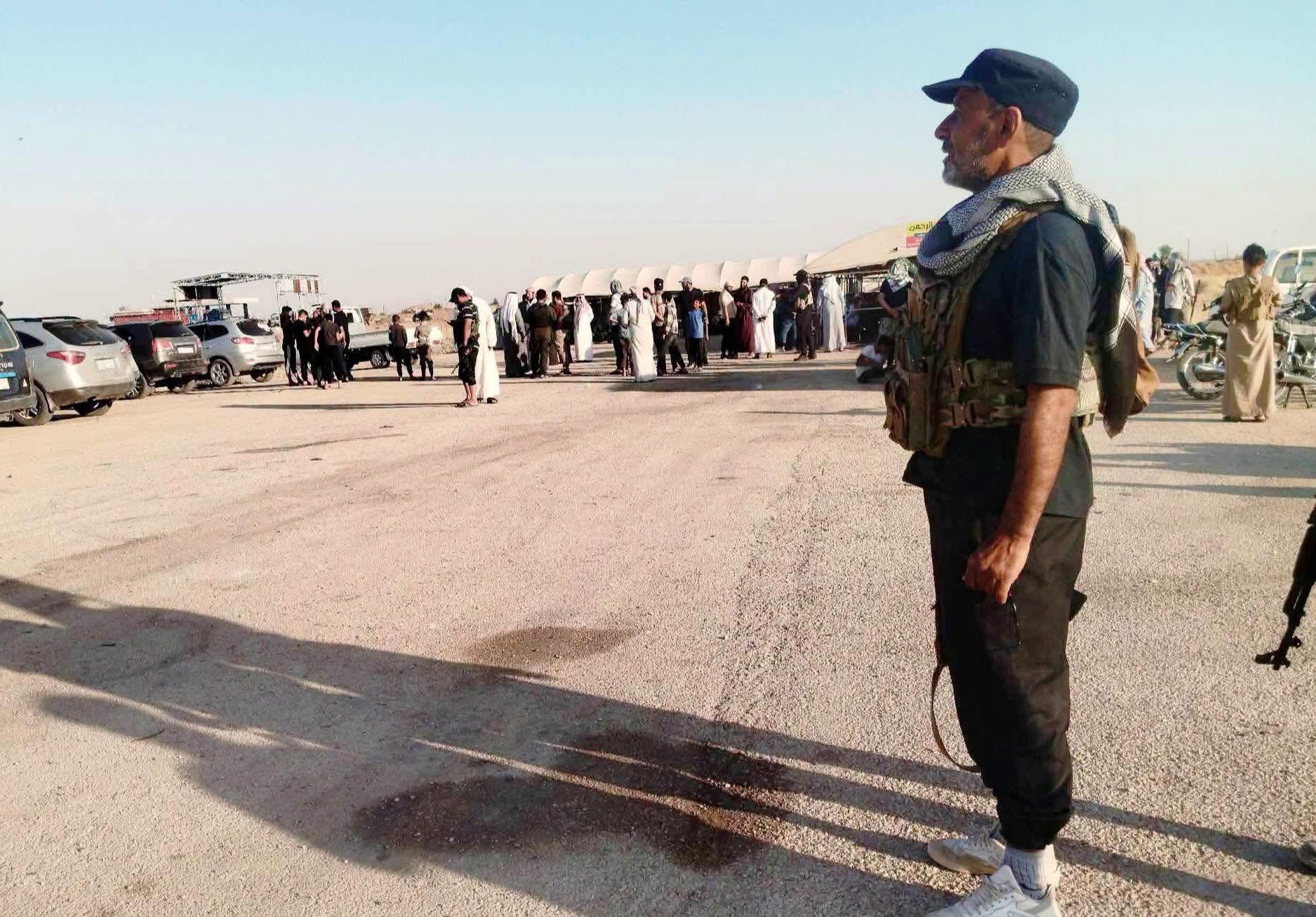
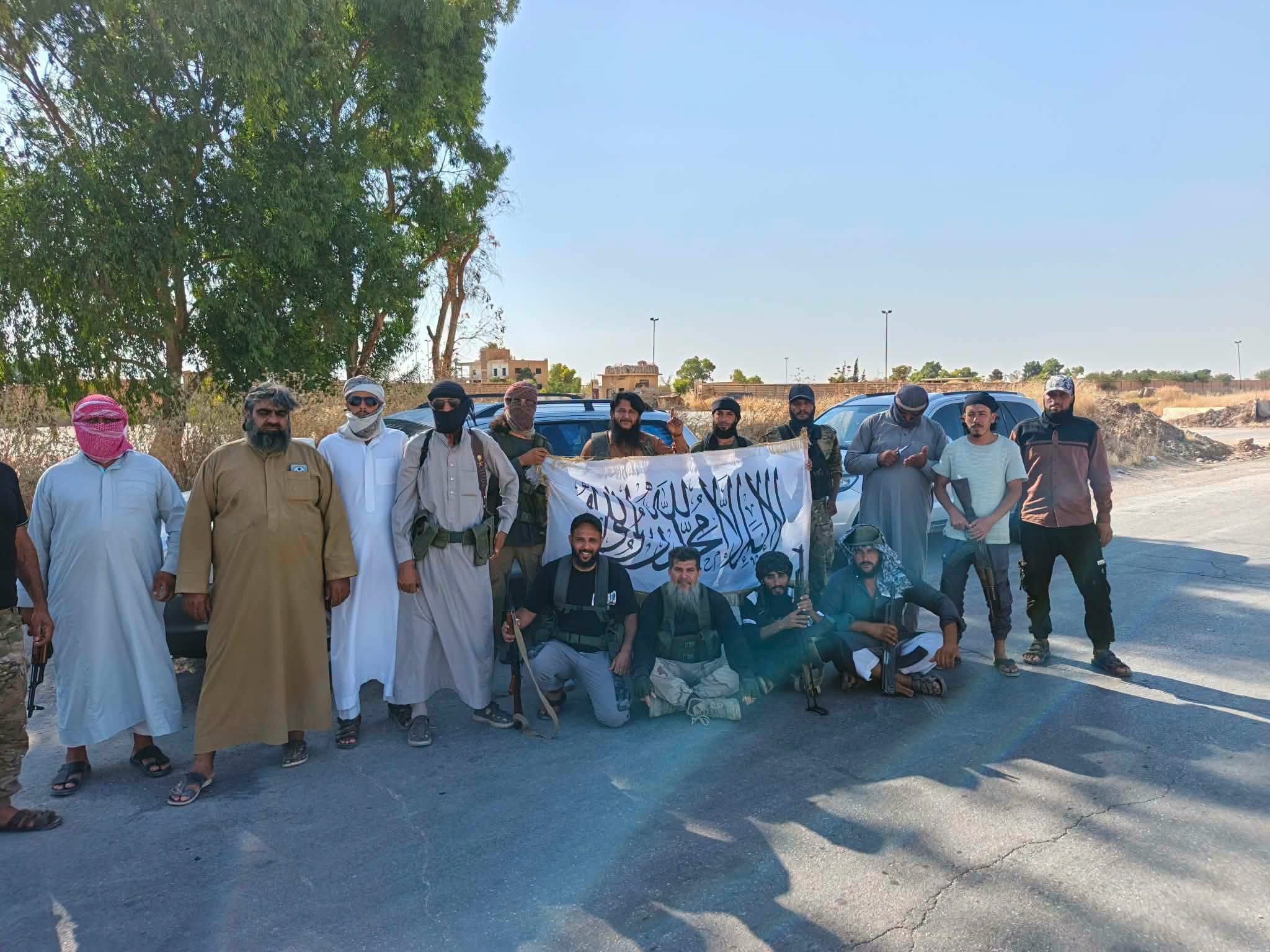
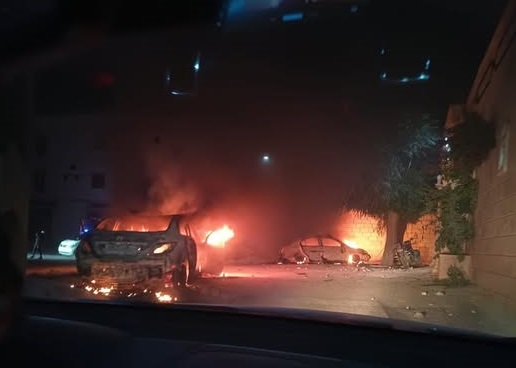
Syria Rights Monitor expresses its grave concern regarding recent developments in Hasakah Governorate, northeastern Syria. These developments are manifested in the erection of a so-called “War Tent” in the Al-Milbiya area, south of Hasakah city, alongside armed mobilization operations conducted under the banner of “Arab Tribes” in several areas across the governorate, particularly in regions adjacent to Kurdish-majority areas.
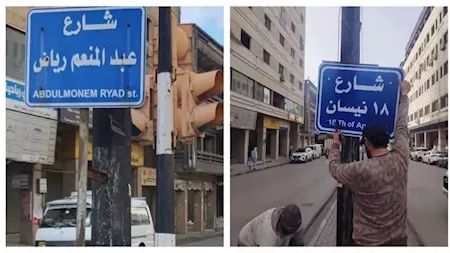
For several days, Syria Rights Monito has been monitoring the escalation of these movements, which have been accompanied by the dissemination of video recordings across social media platforms. These recordings call for the expulsion of Kurdish forces from Syria, foremost among them the People’s Protection Units (YPG), which have participated in fighting against the “ISIS” organization in recent years. Furthermore, the video content included calls to reject the use of prevailing historical names for Kurdish areas and objections to Kurdish figures holding administrative positions in Hasakah Governorate, reflecting a surge in exclusionary discourse based on national identity.
Although the declared narrative of this mobilization focuses on demands related to restoring governmental force control over the region, the monitoring conducted by Syria Rights Monitor indicates alarming signs of exploiting discourse with religious and ethnic dimensions in recruitment and mobilization operations. This contributes to fueling societal divisions and increases the likelihood of violations targeting civilians based on their national or religious affiliation.
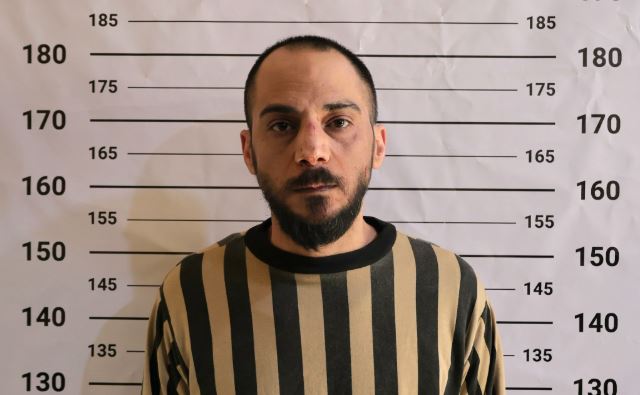
These concerns are heightened by the appearance of controversial figures within the mobilization events. Among them is Ahmad Hammad Al-As’ad, known as “Abu Fadel,” whose name has been linked to involvement in the violations that occurred in the Druze-majority Suwayda Governorate in July 2025. Additionally, Qusay Al-Shammari—who stands accused of committing documented violations during the same events, was previously released under a presidential amnesty, and appeared in prior video recordings holding the emblem of the “Islamic State” (ISIS) organization—was also present.
Syria Rights Monitor further notes that in May 2026, it documented a circulated video clip in which Qusay Al-Shammari publicly called for the bombardment of Kurds with chemical weapons, invoking the crimes committed by Saddam Hussein’s regime against the Kurds in Iraq. He utilized inflammatory and derogatory language against them, constituting direct incitement to violence and hatred against a national group, and representing a clear violation of international standards prohibiting incitement to discrimination and violence.
The emergence of figures with records associated with grave violations within this armed mobilization raises serious concerns regarding the potential slipping of the situation into a new wave of violence. This is especially alarming as these developments come just a few months after the bloody clashes witnessed in northern and eastern Syria between forces affiliated with the Syrian Interim Authorities led by Ahmad Al-Sharaa and Kurdish forces, which broke out in early January 2026 before concluding with an agreement reached between the Syrian Democratic Forces (SDF) and the Syrian Interim Authorities on January 29, 2026.
Although the agreement remains in force and no official declaration has been issued by either party indicating its collapse or breach to date, the continuation of armed mobilization operations—and the absence of any clear stance or deterrent measures by the Syrian Interim Authorities toward these groups—raises legitimate questions regarding the degree of commitment to preventing a renewed escalation, thereby undermining confidence in efforts aimed at consolidating stability.
Syria Rights Monitor considers that allowing the continued presence of armed groups operating outside the framework of official institutions, while adopting discourse directed against specific national components, poses a direct threat to security and stability. This necessitates urgent action to address the phenomenon of proliferation of unregulated arms, regardless of the entity or the social/tribal cover assumed by these groups.
This comes at a time when Syria is witnessing a concerning surge in hate speech and incitement against Kurds and several other minorities, exacerbating the risk of gross human rights violations being committed and threatening the country’s social fabric.
Syria Rights Monitor calls for:
An immediate cessation of all forms of armed mobilization outside the state institution framework.
The opening of independent investigations into hate speech and incitement to violence, holding accountable anyone who calls for or incites the commission of crimes against any national or religious component.
Taking urgent measures to curb the proliferation of unregulated arms.
Commitment by all parties to respecting existing agreements and refraining from any steps that would reignite the conflict in northern and eastern Syria.
The protection of civilians and ensuring respect for the rights of all Syrian components without discrimination based on nationality, religion, or political affiliation.
Syria Rights Monitor reaffirms that the continuation of hate speech and incitement against the Kurds, alongside manifestations of armed mobilization of a national or religious nature, portends grave consequences for civil peace and social coexistence. This mandates urgent action by the Syrian authorities and all active actors to put an end to incitement narratives, hold those responsible to account, and prevent any acts that could lead to new violations against civilians or drag the country into a new cycle of identity-based violence.