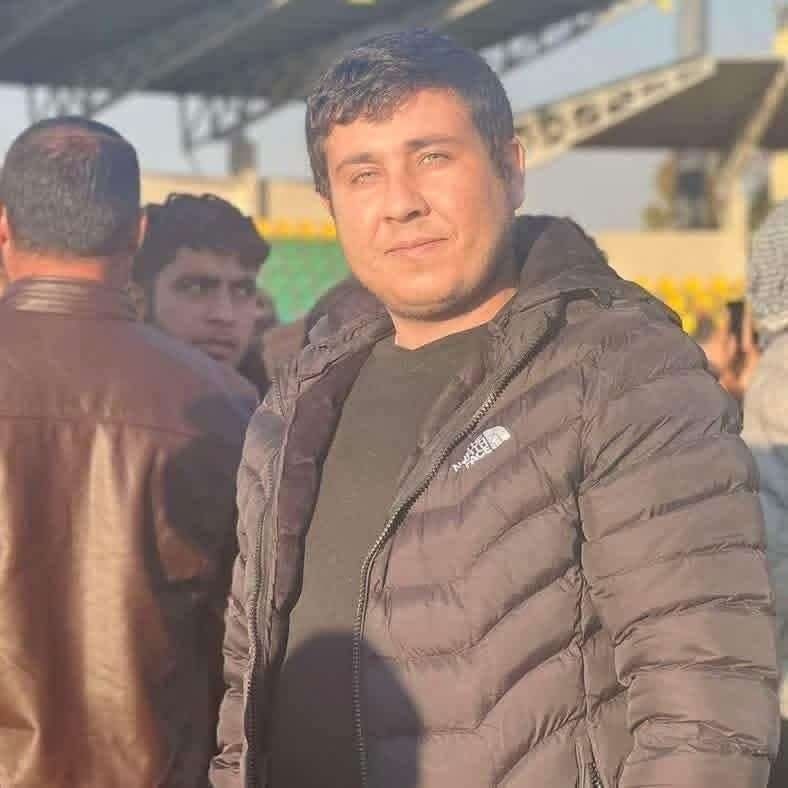
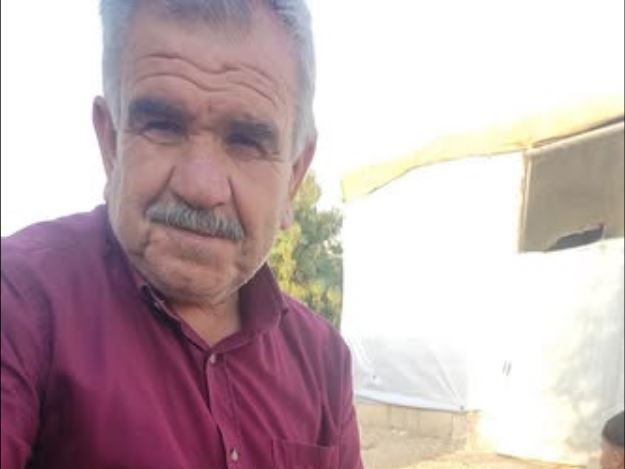
This report documents the killing of Ahmad Mustafa Ali, a Kurdish youth hailing from the city of Kobani in northern Syria, at the hands of armed individuals in the town of Sarrin (rural Kobani). This incident involves serious indicators of grave human rights violations, including torture and the desecration of a body, occurring within the context of escalating violence in Kurdish-majority areas in northern and eastern Syria.
Details of the Incident
According to available information, the crime occurred on January 18, 2026, in the town of Sarrin. The victim, a Kurdish father of two, entered the town after losing his way. He was subsequently attacked by an armed group belonging to Arab tribes loyal to the authority of Ahmed al-Sharaa.
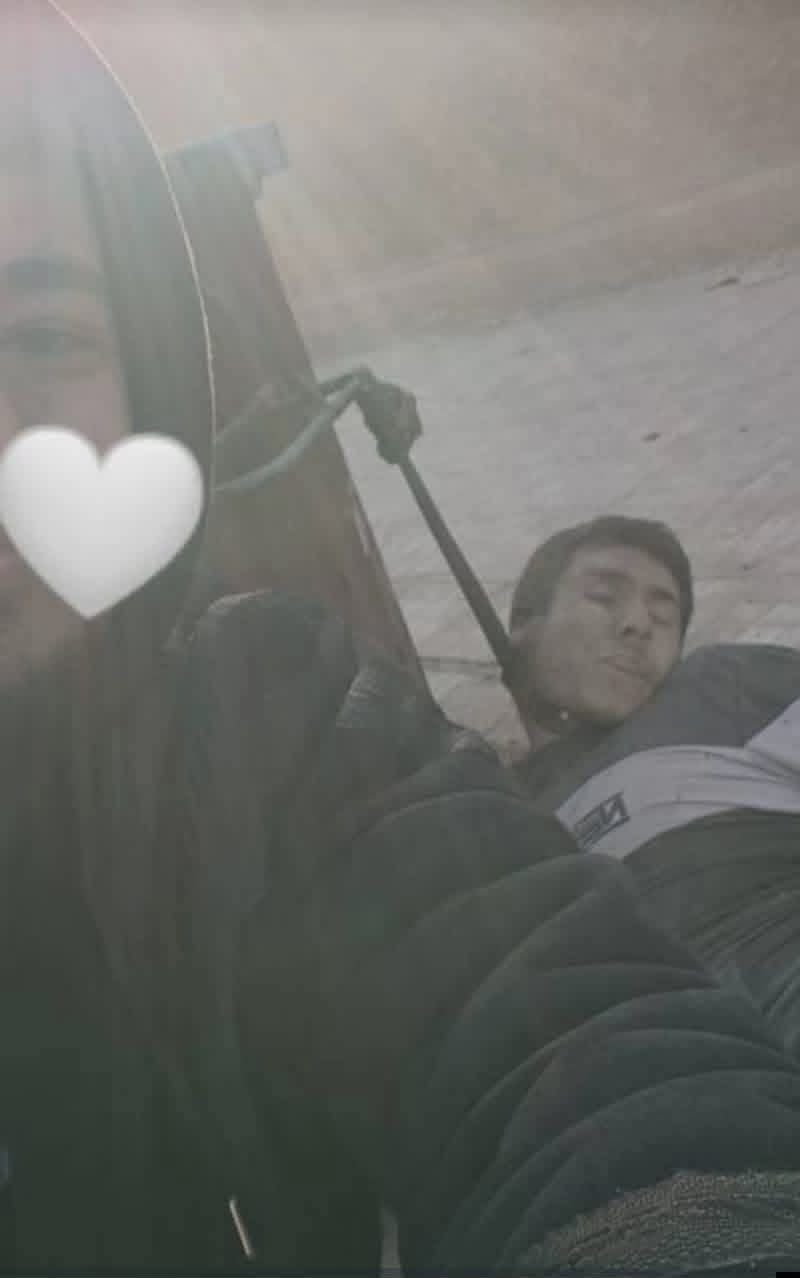
Sources indicate that Ahmad Mustafa Ali was subjected to a physical assault with sticks before his neck was bound with a “belt” and he was dragged through the streets of the town. He succumbed to the injuries sustained during this assault. Furthermore, a photograph emerged showing a gunman posing for a picture alongside the victim’s body following his death—a behavior that constitutes a profound affront to human dignity.
Context and Escalation
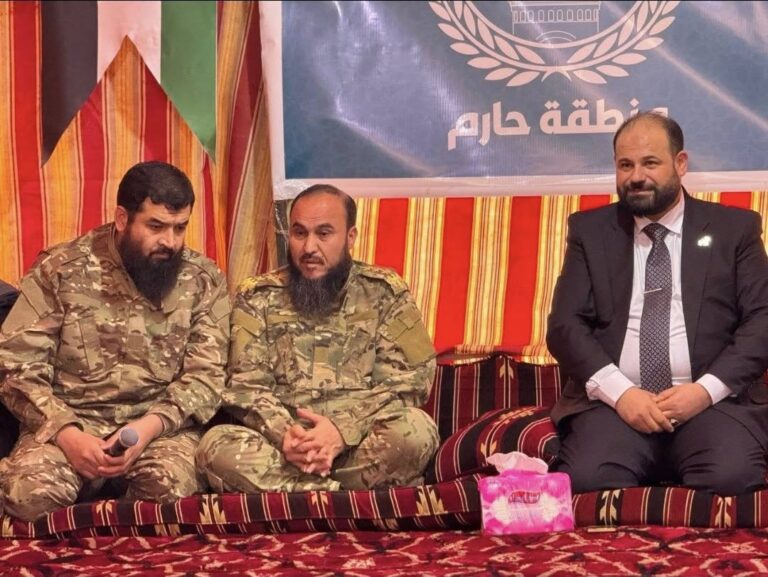
The victim’s body was handed over to his family several days ago as part of a prisoner and remains exchange between the Syrian Democratic Forces (SDF) and the interim authorities led by Ahmed al-Sharaa.
This incident occurs amidst a marked escalation of violence and security instability in northern and eastern Syria, particularly in Kurdish-majority regions. Rights Monitor has documented rising tensions between various demographic components, amid allegations of incitement and ethno-nationalist violence.
Raqqa Governorate: Sources report difficult living conditions for some Kurdish residents, alongside recorded instances of tension and friction with armed groups loyal to the interim authority.
Military Escalation: Early 2026 witnessed a wide-scale military escalation. On January 6, 2026, the interim authority launched a military operation targeting the Sheikh Maqsoud and al-Ashrafiyeh neighborhoods in Aleppo, seizing control of them by January 10, 2026.
Expansion of Operations: Operations subsequently expanded to areas east of the Euphrates, including the city of Kobani and its countryside. According to Rights Monitor Syria, this has resulted in a high number of fatalities, detainees, and missing persons among Kurdish civilians and fighters, in addition to documented violations such as indiscriminate killing and the targeting of residential areas.
Legal Characterization
The data associated with this incident indicates potential grave breaches of International Humanitarian Law, including:
The prohibition of torture.
The prohibition of cruel or degrading treatment.
The prohibition of targeting civilians.
The desecration of bodies, which constitutes a direct violation of human dignity as guaranteed under the Geneva Conventions.
This case underscores the surge in violations amidst an absence of effective accountability mechanisms and the persistence of a culture of impunity. It necessitates urgent action from relevant stakeholders to ensure civilian protection and the initiation of independent, transparent investigations into these crimes.