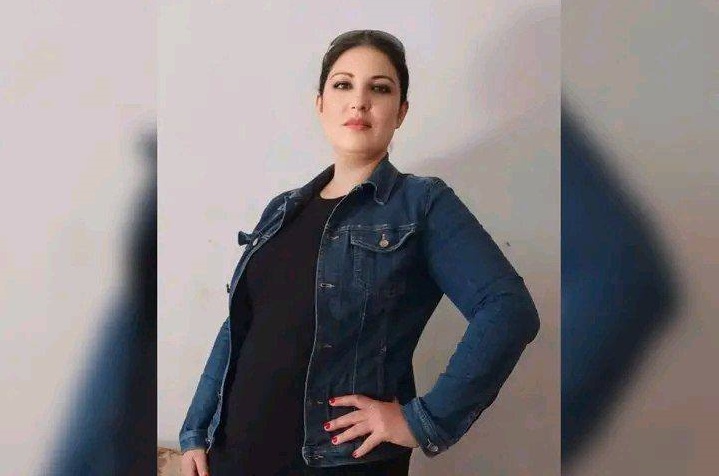
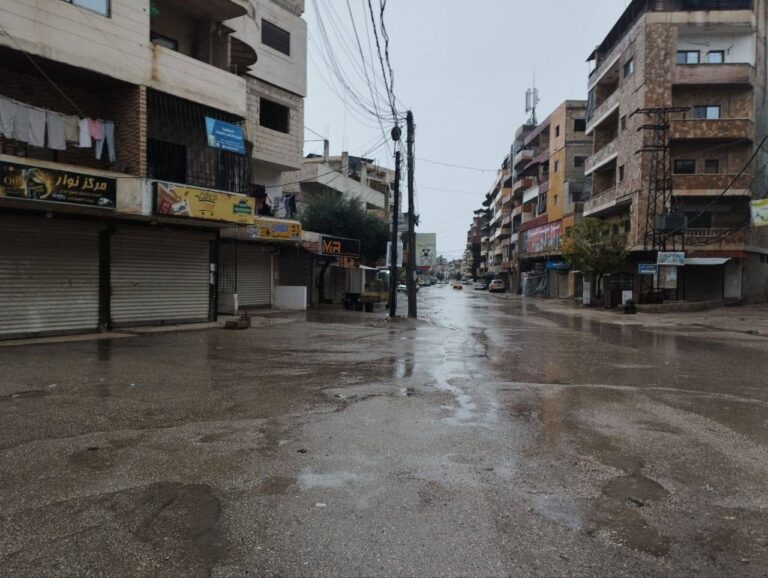
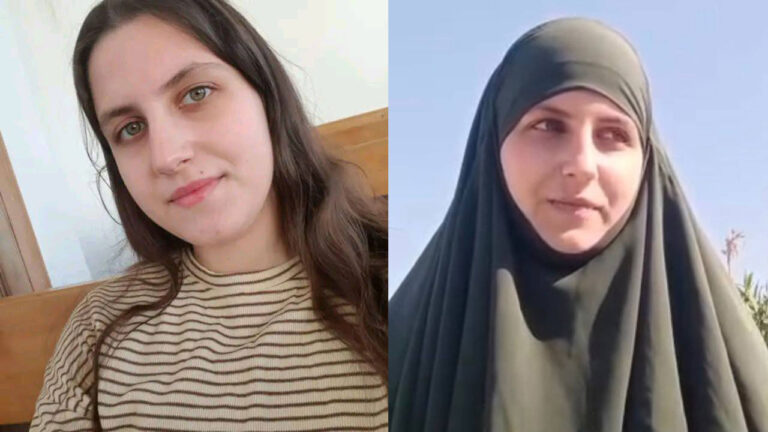
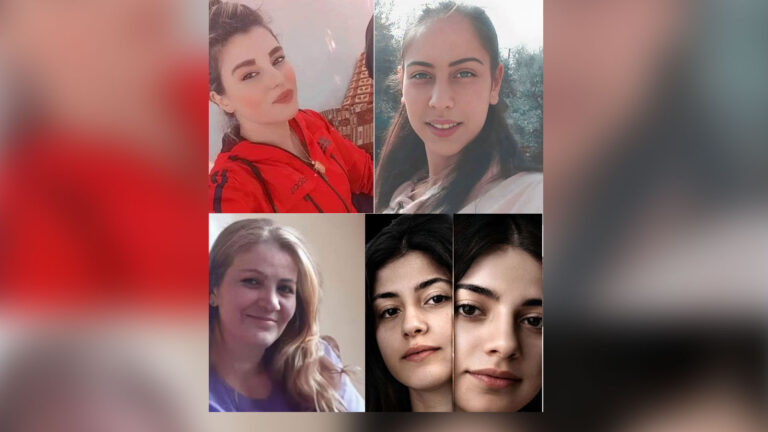
Local sources reported a loss of contact with Ms. Duha Rizk Assad, 36 years old, belonging to the Alawite community, after she left her home on the morning of Sunday, May 17, 2026, in the Al-Sabil neighborhood of Homs city in central Syria, to secure household supplies. Communication with her has been entirely cut off up to the time of writing this report.
According to available information, Ms. Duha is married and has children. Her family has been unable to obtain any information regarding her fate or whereabouts, sparking a state of anxiety and fear among her relatives and local residents, amid a continuous deterioration of security and an increasing number of missing persons and disappearances in several Syrian regions.
This incident highlights growing concerns regarding cases of disappearance and missing persons, and the accompanying direct threat to the right to security and personal safety, particularly in light of the ongoing security vacuum, weak protection measures, and inadequate rapid response to humanitarian reports concerning missing individuals.
The disappearance of Duha Rizk Assad occurs within an escalating context of incidents linked to the targeting of women, particularly those belonging to religious and sectarian minorities, through abduction, enforced disappearance, or arbitrary detention.
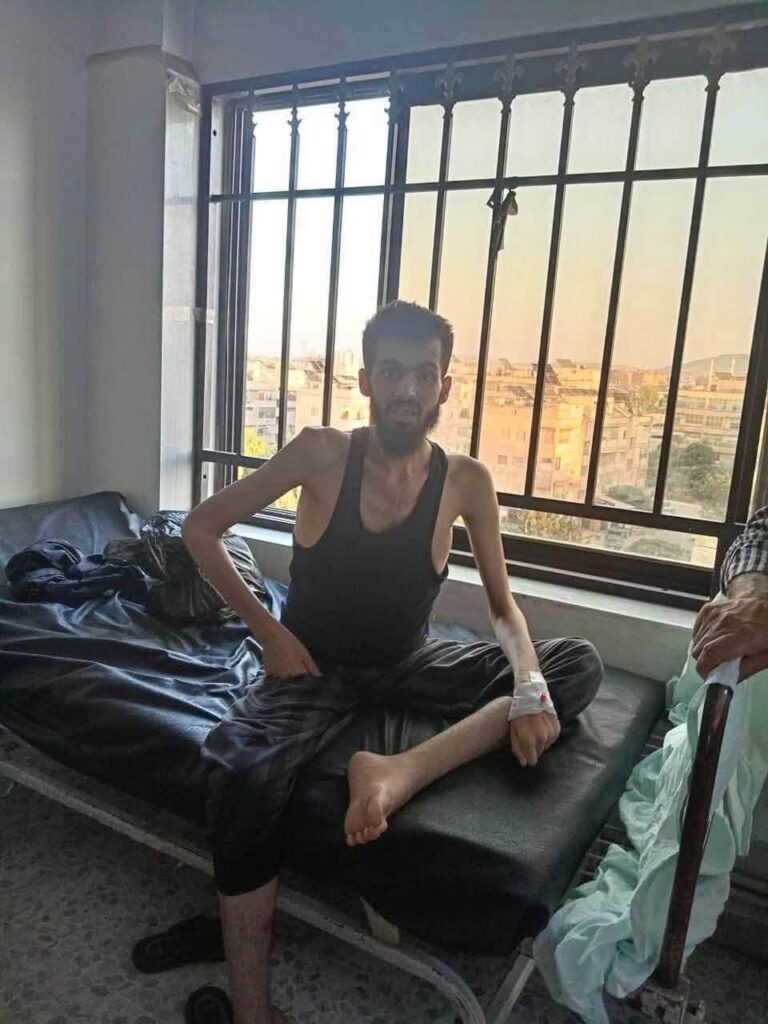
In a related context, on the evening of May 14, 2026, Zainab Ali Al-Saddam, a 15-year-old minor from the Shiite community, was released from Homs Central Prison in western Syria. This followed days of detention by General Security, after she was found in a deteriorated health condition following her abduction for 45 days in the western countryside of Homs.
According to local sources, Zainab was abducted on March 14, 2026, from her village of Al-Ghour Al-Gharbiya in the western countryside of Homs, before her father paid a financial ransom to the abductors in exchange for her release. On April 30, 2026, she was found abandoned on the roadside in extremely poor health, resulting from what sources reported as torture and abuse during her period of captivity.
Based on available information, Zainab was transferred to Homs Central Hospital for medical treatment, before General Security subsequently detained her, transferred her to the Al-Waer police station, and then referred her to Homs Central Prison, until she was released following widespread advocacy campaigns on social media.
In another incident that generated widespread public resonance, the case of Batoul Suleiman Alloush—a young woman from the Alawite community and a student at the Medical Technical Institute at Tishreen University in Latakia—continues to engage Syrian public opinion since her disappearance on Wednesday, April 29, 2026, while returning from university, as confirmed by her family.
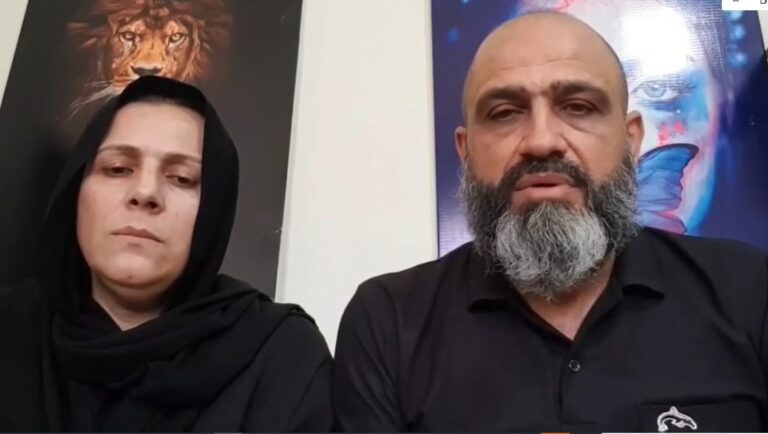
Since Batoul’s disappearance, her mother has continuously issued appeals to relevant authorities and human rights organizations, demanding the disclosure of her daughter’s fate and ensuring her safety, noting that the family faces pressure and threats due to their persistent demands for the truth.
Collectively, these incidents underscore the escalating fears of targeting civilians, particularly women belonging to religious or sectarian minorities, through abduction, enforced disappearance, and arbitrary detention. This constitutes a direct violation of the right to liberty and security of person, both of which are guaranteed under international human rights law.
These events highlight the urgent need for immediate action by the relevant authorities to uncover the fate of missing persons, ensure their physical and psychological safety, initiate transparent and independent investigations into the violations committed, and hold those responsible accountable, in alignment with human rights principles and the prevention of impunity.