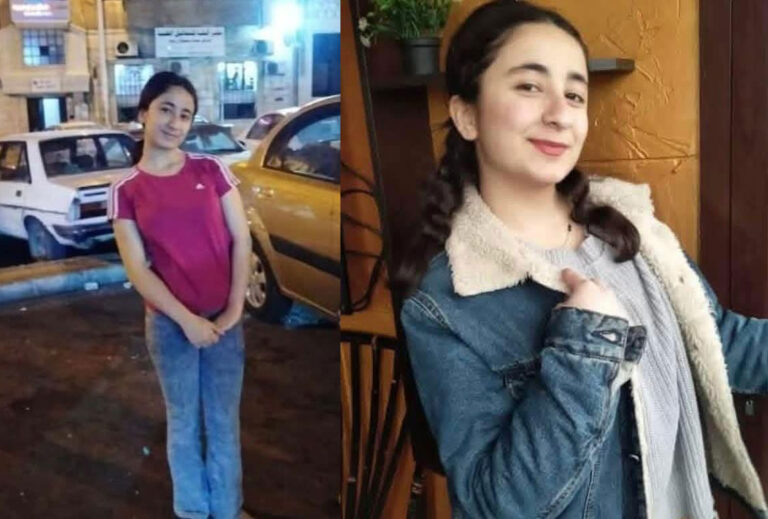
The Family of Batoul Suleiman Alloush Reveals a Phone Call Following International Pressure, Stating Their Daughter Was Forcibly Married Amid Calls for an Independent Investigation
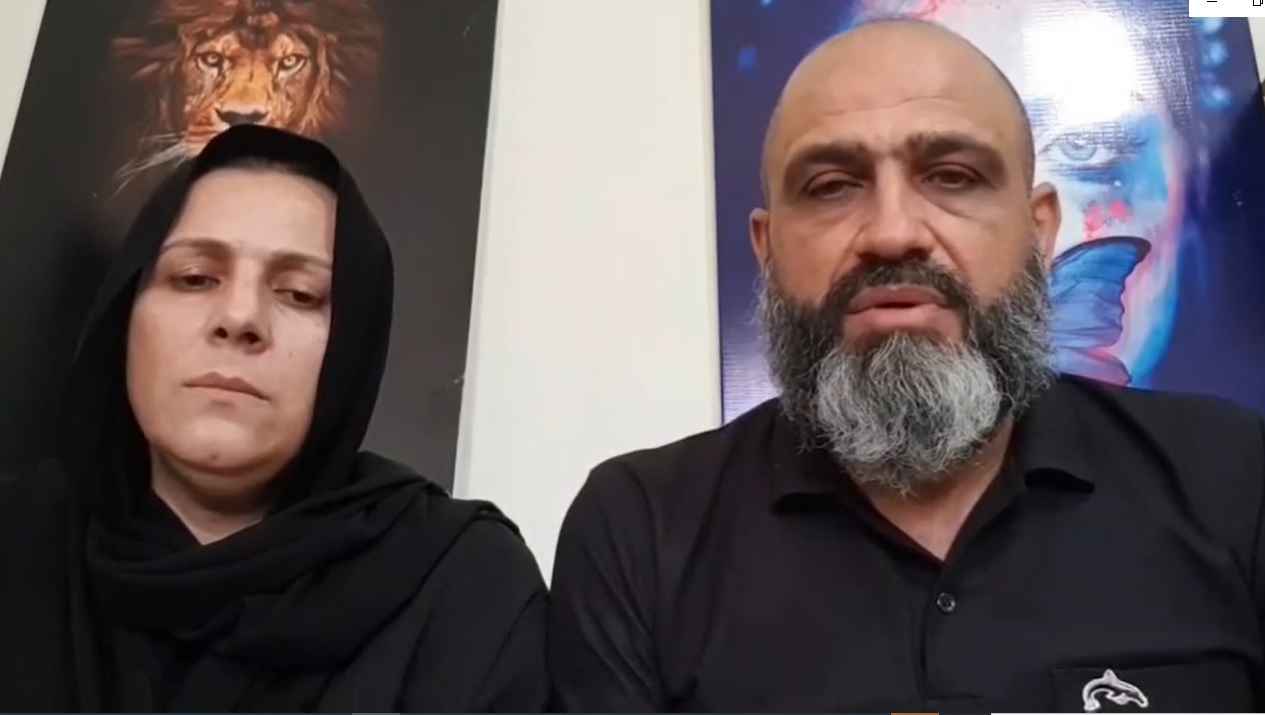
Syria Rights Monitor has documented a video recording published by the family of the young woman, Batoul Suleiman Alloush, in which they revealed receiving a phone call from their daughter for the first time since her disappearance. The family stated this communication was permitted following pressure exerted by the United Nations. In the recording, the family leveled serious accusations regarding Batoul’s abduction, detention, and forced marriage, demanding the initiation of an impartial international investigation to uncover her fate and hold accountable those responsible for any violations she may have been subjected to.
In the video recording, Batoul Suleiman Alloush’s father stated that his daughter contacted her family via the “WhatsApp” application for approximately fifteen minutes. He added that, according to his testimony, the family learned the day after the call that she had been forcibly married to a man originating from Idlib Governorate.
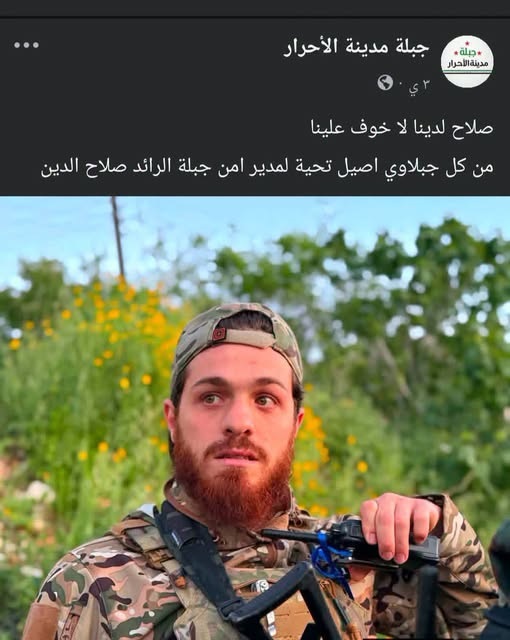
The father accused an individual named Haitham Ahmad Abbas, known by the alias “Sheikh Salah”—who serves as a security official in the city of Jableh—of being behind his daughter’s abduction and rape, as well as fabricating the previously circulated narrative of “migration for the sake of Allah.” He stated this occurred after the family persistently demanded her return, despite the perpetrator’s awareness—according to the father—of what she had been subjected to.
Batoul’s father also reported that the recording sent to the United Nations had approximately one minute of the original call deleted prior to its submission. He added that the family retains the complete version of the call, which they assert documents the events of the conversation without modification.
These allegations raise grave concerns regarding the safety and physical integrity of Batoul Suleiman Alloush and the potential that she has been subjected to egregious human rights violations, rendering an independent and impartial investigation an urgent necessity in accordance with international standards.
Background of the Case
According to the testimony of Batoul Suleiman Alloush’s family, she is a student at the Medical Technical Institute at Tishreen University in Latakia. Contact with her was lost on April 29, 2026, while she was returning from the university.
On May 6, 2026, a message attributed to her was circulated, accompanied by a copy of her personal identification card. The message stated that she was safe, had left her home of her own free will “for the sake of her religion,” and had “converted to Islam” and migrated “for the sake of Allah,” according to the text of the circulated message.
The message sparked widespread controversy on social media platforms, particularly after family members and human rights activists questioned the circumstances under which it was written. They argued that its content carried a propagandistic and ideological character that did not align with her known character, social background, or sectarian affiliation.
The controversy escalated further following the publication of a fatwa (religious ruling) by the preacher Abdul-Razzaq al-Mahdi, in which he asserted that returning Batoul to her family is “religiously impermissible” if she had left her home after converting to Islam. He called for providing her with protection and not returning her to her relatives, which her family argued serves to justify her continued detention and incites hostility against them.
The Name of Haitham Ahmad Abbas Recurs in Other Cases
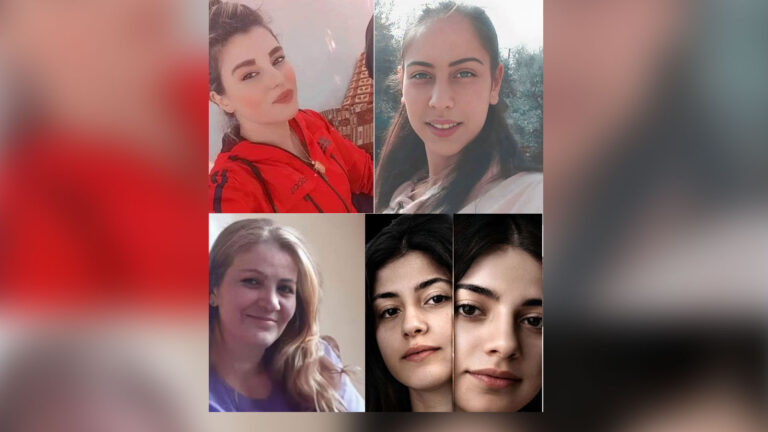
Syria Rights Monitor notes that the name of Haitham Ahmad Abbas, known as “Sheikh Salah,” has recurred in other cases documented by the platform.
On July 8, 2026, the Union of Syrian Alawites in Europe published a video testimony of Ms. Walaa Al-Mahmoud, a widow from the Jableh countryside belonging to the Alawite community. In the video, she stated that she was subjected to abduction, detention, and sexual assault during a period of detention exceeding forty-five days, leveling direct accusations against the same individual as being responsible for her ordeal.
Conversely, other parties circulated a narrative denying the validity of these accusations, claiming that Al-Mahmoud’s detention was related to cases involving online publishing and inciting sectarian strife. They asserted that her allegations of abduction and assault have not yet been substantiated by documented evidence, maintaining that the resolution of the case must proceed through competent judicial investigations and procedures.
Social media platforms also witnessed the circulation of conflicting posts regarding the same individual. While some accounts praised him, others linked his name to allegations concerning the abduction and assault of Alawite women—allegations that have not yet been subject to any final judicial ruling or official results from independent investigations.
Human Rights Context
The case of Batoul Suleiman Alloush falls within a broader context of increasing reports concerning abductions, enforced disappearances, and arbitrary detentions targeting civilians in Syria, particularly women and girls belonging to religious or sectarian minorities, amid continuous security deterioration and weak protection and accountability mechanisms.
Syria Rights Monitor believes that the ongoing conflict of narratives and the absence of independent and transparent investigations compel the competent authorities to take urgent measures to reveal the fate of Batoul Suleiman Alloush, ensure her safety, and conduct an immediate and effective investigation into all allegations of abduction, enforced disappearance, sexual violence, and forced marriage. This must be accompanied by ensuring the protection of victims and witnesses, and holding accountable any individual proven to be involved, in line with international human rights law obligations to curb impunity.